Historic Talks Unveil a New Era of Cooperation Between China and the US
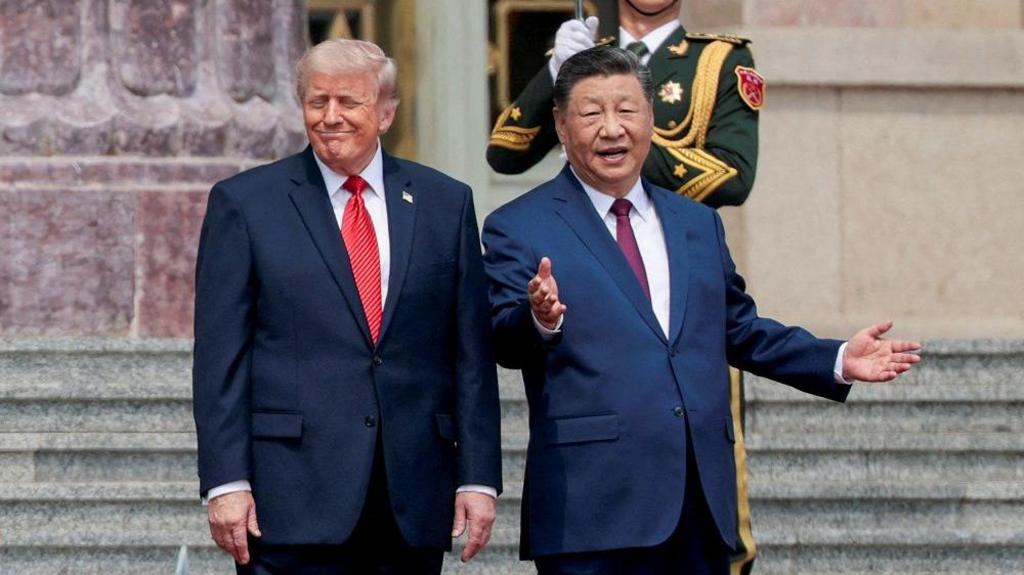
In a historic meeting in Beijing, President Xi Jinping and former President Donald Trump showcased their commitment to fostering a cooperative relationship between China and the United States. During nearly two hours of discussions, both leaders highlighted the potential for mutual benefit and positive outcomes in a world marked by complexity and challenge.
A Call for Partnership
President Xi's insistence that China and the US should be "partners not rivals" underscores a significant shift in tone in the bilateral relationship. As both leaders emphasized the importance of collaboration, they set the stage for a future where diplomatic and economic ties can flourish, aiming to navigate the sensitive issues that may otherwise act as barriers to progress.
Encouraging Economic Engagement
Highlighting the positive sentiment surrounding economic ties, Xi stated that China's door will "only open wider" for US businesses, reflecting a desire to deepen investment and collaboration. Trump's delegation included notable figures from the tech industry, such as Nvidia's Jensen Huang and Apple's Tim Cook, raising hopes for renewed business ventures and economic engagement between the two countries. This commitment to open dialogue creates a promising backdrop for potential agreements on trade and technological collaboration.
Building on Historic Foundations
The visit to the Temple of Heaven by both leaders served as a symbolic reminder of the rich historical ties and the importance of mutual respect in international relations. Trump's remarks about China’s beauty illustrate a willingness to appreciate cultural significance, which may pave the way for enhanced understanding in negotiations. This moment reinforces the historical context of US-China relations, marking the visit as only the second by a sitting US president since Gerald Ford in 1975.
Moving Toward Stability
As discussions progressed, both Xi and Trump expressed the necessity of addressing contentious issues such as Taiwan while maintaining a focus on peace and stability. The call for "reciprocal cooperation" resonates well with initiatives that could lead to a stabilizing relationship amid global uncertainties. The sentiment expressed by industry leaders accompanying Trump reaffirms the hope that enhanced cooperation can yield both economic prosperity and diplomatic progress.
Overall, this summit represents a pivotal moment that could reshape the dynamics of the US-China relationship, reflecting a collective aspiration for positive outcomes in a complex global stage.

