Historic Launch: NASA's Artemis II Crew Enters Orbit as Humanity Takes a Step Back to the Moon
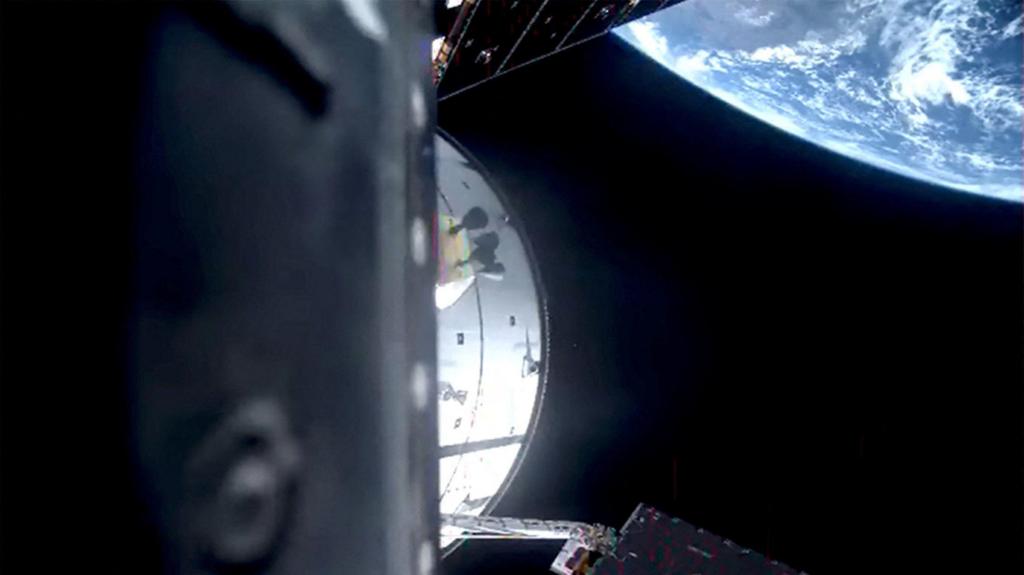
NASA's Artemis II mission has officially launched, marking an exhilarating moment in the journey back to the Moon after more than half a century. As the spacecraft entered orbit around Earth, the mission crew is poised to conduct critical tests before they forge ahead on their lunar voyage. The successful launch represents not just a technological achievement but also a reinvigoration of global interest in space exploration.
A Vision of the Future
Recently, mission control expressed their enthusiasm, noting the crew's safety and positivity as they now embark on a mission that could see them travel further than anyone has before. As astronaut Reid Wiseman noted, "Great view," highlighting just how impressive this journey is from their vantage point high above the Earth.
Engineering Marvels and Crew Preparedness
The Artemis II mission serves as a real-world test of engineering and human resilience. As the crew members delight in their time in space, they remain focused on the tasks at hand, which involve numerous system checks to ensure their safety for the ambitious lunar journey ahead. The notable accomplishment in overcoming pre-launch challenges reflects the expertise and dedication of the teams behind these missions.
Cultivating Inspiration for Future Generations
In an age where the potential for space travel feels more tangible than ever, NASA hopes to inspire a new generation of scientists, engineers, and dreamers. People gathered across various locations to watch the launch, including a community watch party in Toronto, demonstrating the collective excitement for what lies ahead. This mission, particularly with Canadian astronaut Jeremy Hansen on board, symbolizes an inclusive approach to space exploration that seeks to engage diverse audiences worldwide.
A Pioneering Step Toward Permanent Lunar Presence
The long-term goal of the Artemis program is to establish a sustainable presence on the Moon. As NASA aims to build a base, the knowledge gained from Artemis II will play a vital role, ensuring astronauts can successfully operate in lunar conditions. "After a brief 54-year intermission, NASA is back in the business of sending astronauts to the Moon," stated NASA administrator Jared Isaacman, highlighting the monumental significance of this mission.
The Artemis II launch stands not only as a testament to human ingenuity but also as a beacon of hope and curiosity. As the crew calculates their trajectory toward the Moon, the world watches in anticipation, ready to witness the next chapter in humanity's exploration of space.

