Groundbreaking Treatment Offers New Hope for Lupus Patients
An experimental treatment developed in the UK is making waves in the world of autoimmune disease management, successfully putting lupus into remission for early trial participants. This innovative approach has the potential to revolutionize the treatment of similar disorders, such as multiple sclerosis and rheumatoid arthritis, raising hopes among millions suffering from these conditions.
A Patient's Remarkable Journey
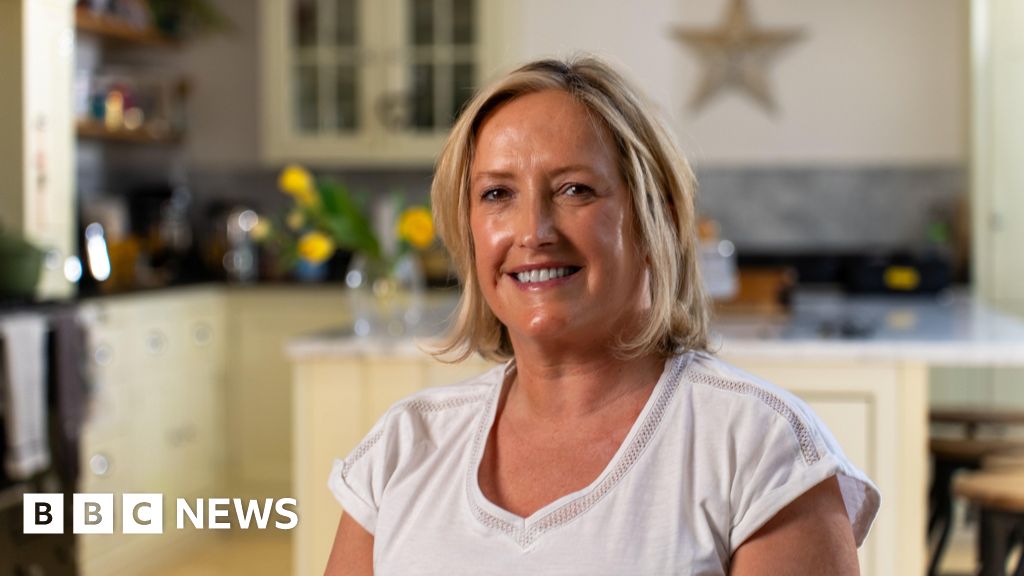
Among the first patients to experience this groundbreaking therapy is Katie Tinkler, who has lived with lupus for 30 years. Describing her condition as a constant struggle that left her unable to perform even simple tasks, Tinkler’s quality of life dramatically changed following her treatment. After undergoing a procedure that reset her malfunctioning immune system at University College London Hospitals, she expressed a sense of rebirth, stating, "I've never been this good." Now free from lupus medication, she has regained the ability to engage in activities like skiing, which were once unimaginable.
The Science Behind the Breakthrough
The innovative treatment employs CAR-T (chimeric antigen receptor T-cells) therapy, a method already used successfully in leukemia and lymphoma cases. By genetically modifying T cells to target and destroy rogue B cells—responsible for the autoimmune response—this therapy not only aims to eradicate the symptoms associated with lupus but also promises the possibility of long-term remission. As the treating team reported, out of the first six patients, five remain in remission, marking a significant milestone in lupus treatment.
Looking Forward: Challenges and Potential
While the initial results are encouraging, experts like Dr. Maria Leandro suggest that more research is needed to understand the long-term viability of the treatment and its potential application across other autoimmune diseases. The aspiration is that prolonged periods of remission could dramatically improve the quality of life for lupus patients and those suffering from similar conditions. Dr. Claire Roddie highlighted the broader implications, noting, "We're really excited about the potential of CAR-T cell therapy for autoimmune diseases," opening doors for numerous clinical studies targeting a variety of conditions.
A New Lease on Life
For Katie Tinkler, the treatment has fostered a renewed sense of purpose and adventure. Eager to embrace life to the fullest, she has ambitious plans to conquer mountains and participate in endurance events like triathlons. Her story stands as a beacon of hope for many, illustrating that with continual scientific innovation, a bleak prognosis can indeed transform into a vibrant future.

