Groundbreaking Gene Therapy Offers Hope for Children with Rare Disorders
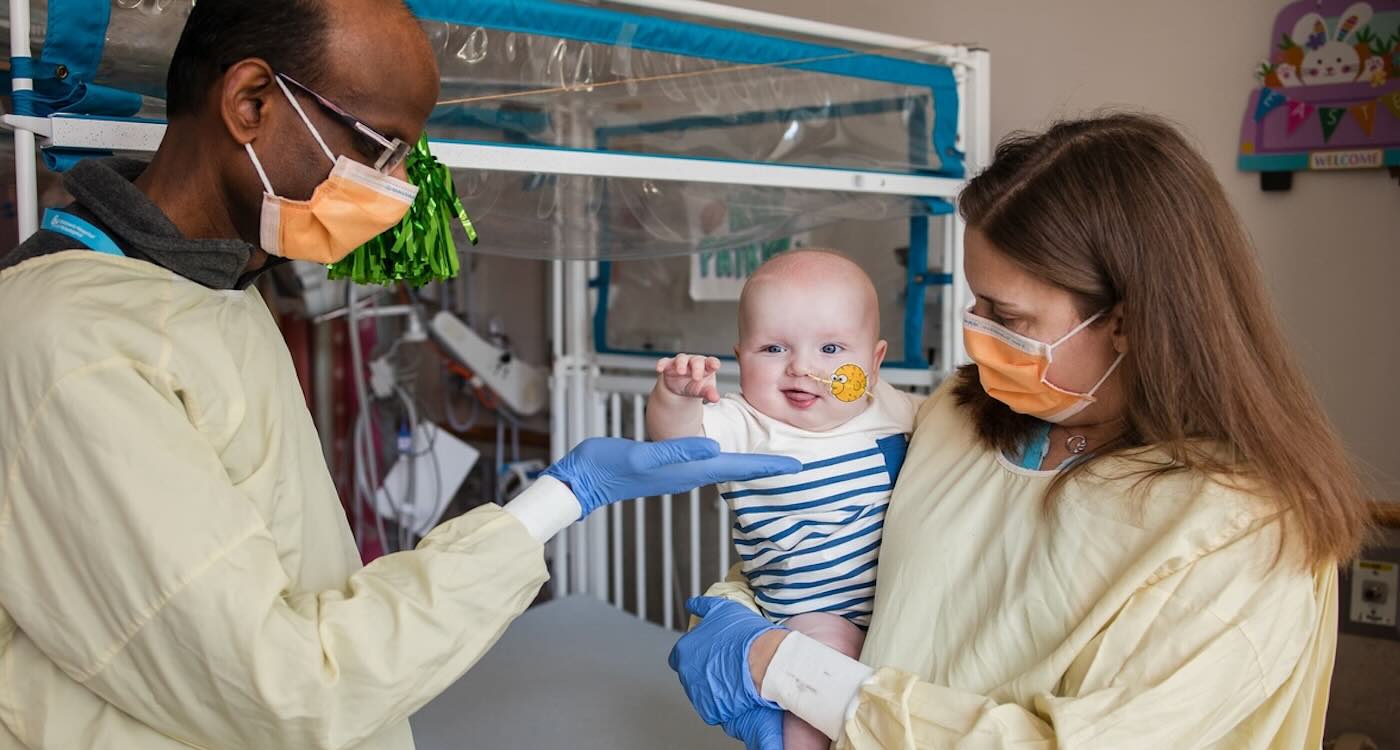
In an extraordinary advancement in medical science, CRISPR technology has been employed to develop a potential cure for a Pennsylvania newborn suffering from a rare metabolic disorder. This innovative genetic therapy has not only provided hope for the child, KJ, but also for many families grappling with similar health challenges.
The Challenge of a Rare Disorder
KJ was born with severe carbamoyl phosphate synthetase 1 (CPS1) deficiency, a critical condition that prevents the proper conversion of ammonia to urea, resulting in potentially life-threatening complications. His situation was dire, as conventional treatments required an extremely restrictive diet and posed the constant risk of brain and liver damage. However, the dedicated team at Children's Hospital of Philadelphia (CHOP) believed they could harness the power of CRISPR to repair KJ’s faulty gene.
A Tailored Approach to Treatment
Under the leadership of Dr. Rebecca Ahrens-Nicklas and Dr. Kiran Musunru, CHOP's genetic therapy experts meticulously crafted a bespoke treatment designed specifically for KJ. This approach marked a significant milestone in gene therapy, symbolizing a culmination of years of collaborative research and development in gene editing technologies. Their success could pave the way for similar therapies tailored to other patients with rare genetic disorders.
The Administration of CRISPR Therapy
After years of preparation and research, KJ received his experimental therapy composed of base editing delivered via lipid nanoparticles to his liver. This groundbreaking therapy, developed within months, was administered in multiple doses throughout early 2025, with KJ showing promising progress and no reported side effects. Remarkably, he has begun to reintroduce proteins into his diet, a significant improvement from his previous condition.
Looking Towards the Future
As Dr. Ahrens-Nicklas remarked, "While KJ is just one patient, we hope he is the first of many to benefit from a methodology that can be scaled to fit an individual patient’s needs." This reflects an optimistic outlook in the realm of genetic medicine, opening avenues for further innovations that could benefit countless children and adults suffering from similar rare diseases.
KJ’s journey highlights not just the advances in genetic research, but also the collaboration between healthcare professionals and the families they serve. It is a beacon of hope that underscores the immense potential of CRISPR technology and its role in creating personalized medicine for those facing dire health challenges.

