Groundbreaking Discovery: How Elephant Whiskers Inspire the Future of Robotics
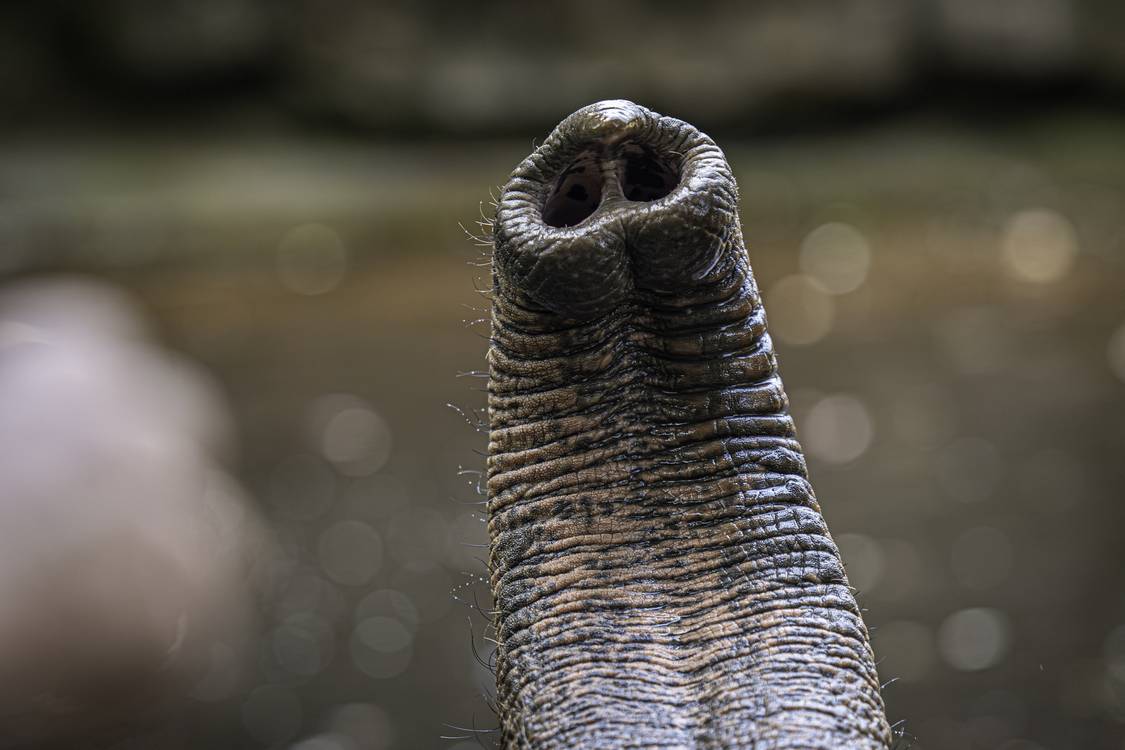
Recent research has unveiled fascinating insights into the unique whiskers on an elephant’s trunk, shedding light on their remarkable sense of touch. The study reveals that these 1,000 specialized hairs possess unique properties that allow elephants to perform intricate tasks with precision, such as picking up delicate objects without damaging them.
The Wonders of Elephant Whiskers
Elephant whiskers, unlike those of other animals, have a combination of stiff bases and soft tips, creating what scientists refer to as a "functional gradient." This discovery highlights how elephants can discern exactly where contact occurs along each whisker's length, enabling them to delicately handle items as small as peanuts or tortilla chips. Dr. Andrew Schulz, the lead researcher, noted the significance of these findings, stating, “The stiffness gradient provides a map to allow elephants to detect where contact occurs along each whisker.”
Innovations in Robotics Inspired by Nature
The implications of this research extend beyond the animal kingdom, sparking interest among engineers and researchers aiming to mimic these natural properties in robotic technologies. Dr. Schulz and his team are exploring how the insights gained from studying elephant whiskers can inspire the development of new robotic sensing technologies. These bio-inspired sensors could revolutionize how machines interact with their environment, offering enhanced sensitivity and precision while keeping computational costs low.
A Step Towards Future Technologies
This breakthrough illustrates how studying the natural world can lead to technological advancements, aligning biology with engineering. If successful, these innovations could lead to robots with the ability to navigate complex environments safely, informed by their 'whiskers' as they sense and react to the world around them. The research promises to not only further our understanding of these magnificent creatures but also to inspire the next generation of intelligent systems.

