Groundbreaking Deal Set to Revolutionize New Zealand's Grocery Industry
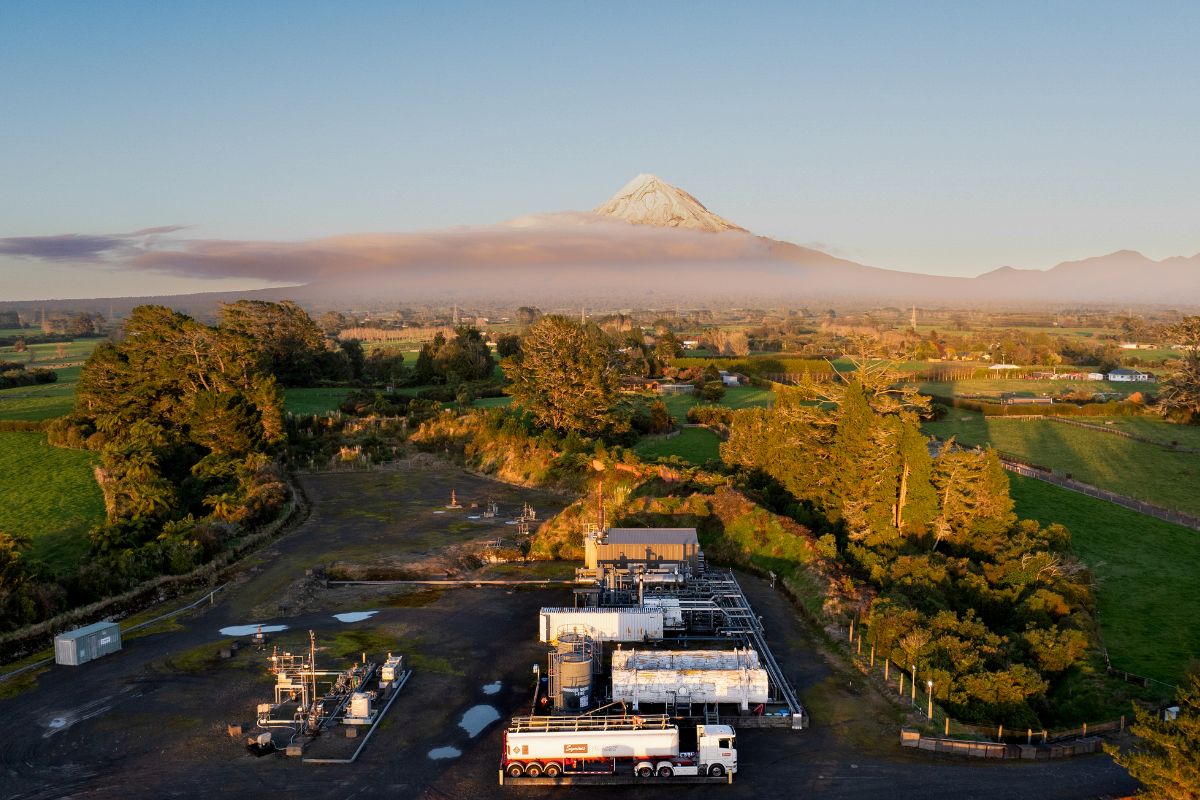
The impending sale of Matahio Energy’s New Zealand assets to Sunda Energy is poised to create a ripple effect across the grocery and supermarket sectors, promising enhanced supply chain stability and cost predictability for consumers and businesses alike.
Implications for the Grocery Sector
As Sunda Energy acquires vital onshore assets in Taranaki—including the producing Cheal, Cheal East, and Sidewinder fields—the implications extend far beyond the petroleum industry. This strategic transaction aims to strengthen New Zealand's domestic production base, allowing for more reliable energy and potentially lowering freight costs that have recently surged due to global oil market volatility.
A Signal of Confidence
Resources Minister Shane Jones emphasized that this deal reflects growing international confidence in New Zealand's energy landscape. The commitment from investors like Sunda Energy not only showcases the inherent value of local petroleum resources but also highlights the potential for sustained investments in essential infrastructure. This influx of capital and expertise can catalyze a more stable operational environment for businesses across various sectors, especially in the grocery industry.
Benefits for Food Manufacturers
The entry of Sunda Energy is particularly significant for food manufacturers that supply supermarkets. With natural gas being a critical input for numerous processing operations such as dairy, baking, and prepared foods, the improvement in supply reliability and pricing stability could reduce production costs and enhance output consistency. This aspect is crucial as businesses seek to navigate a landscape troubled by supply chain disruptions.
Sustaining the Broader Ecosystem
Taranaki’s role as a hub for both energy production and food manufacturing underscores the importance of continued investment in the region. This strategy not only benefits upstream energy activities but also supports a robust network of suppliers, processors, and logistics providers that are integral to the grocery sector. By enhancing infrastructure and energy production, we pave the way for a more resilient future.
A Look Ahead
While the transaction awaits regulatory approval, the broader implications of this deal may very well set a precedent for stability in industries dependent on consistent energy supplies. If successful, it signals a pivotal moment for New Zealand, equipping its grocery market to better withstand the shifting tides of global dynamics and economic pressures.

