Groundbreaking CRISPR Therapy Offers Hope for Rare Genetic Disorder
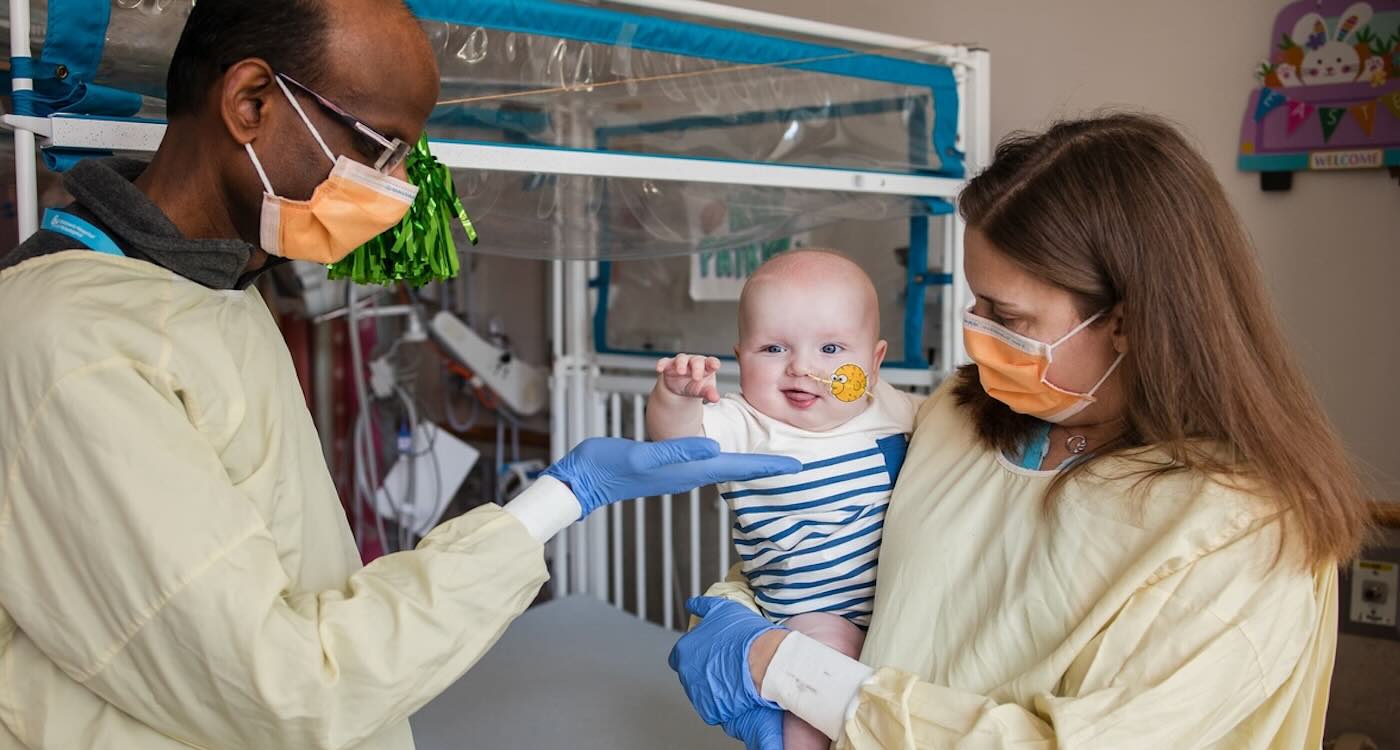
In a remarkable medical breakthrough, researchers at the Children's Hospital of Philadelphia have successfully created a genetic therapy using CRISPR technology for a child suffering from a rare metabolic disorder. The new treatment has provided much-needed hope for families grappling with severe genetic conditions.
A Personal Battle Against a Rare Disorder
The patient, identified as KJ, was born in Pennsylvania with severe carbamoyl phosphate synthetase 1 (CPS1) deficiency, a disorder that prevents the body from converting ammonia into urea. This condition put him at significant risk of brain and liver damage. Until recently, KJ was reliant on an extremely restrictive diet and medication to manage his symptoms. Doctors at CHOP believed that advancing gene editing techniques could pave the way for a more permanent solution.
Pioneering Treatment Developed
With the support of his parents, Nicole and Kyle Muldoon, KJ became the first patient to receive this tailor-made CRISPR therapy crafted by Dr. Rebecca Ahrens-Nicklas and Dr. Kiran Musunru. After years of research and development, the team launched this bespoke therapy aimed at correcting KJ’s faulty gene, which has resulted in successful outcomes thus far.
Promising Results and Future Possibilities
As of April 2025, KJ has received three doses of the experimental therapy, which he has tolerated well without experiencing side effects. In a positive turn of events, he has been able to reduce his medication and gradually reintroduce proteins into his diet. His mother, Nicole, expressed her hope that this treatment could not only benefit their son but also pave the way for advancements that would help other families facing similar challenges.
Advancing Medical Science
This groundbreaking achievement underscores the potential of CRISPR technology to address extremely rare genetic disorders, a field that has historically lacked effective treatment options. While the current therapy targets KJ’s unique genetic variant, the researchers believe their approach could be scaled to treat other patients in the future. With continued progress in gene editing, the dream of personalized medicine could soon become a reality for many affected by rare diseases.
The collaborative efforts of the researchers, clinicians, and the patients' families highlight a critical juncture in medical science, bringing us one step closer to curing diseases once deemed untreatable.

