Groundbreaking Advances in OLED Technology Could Revolutionize Display Prices
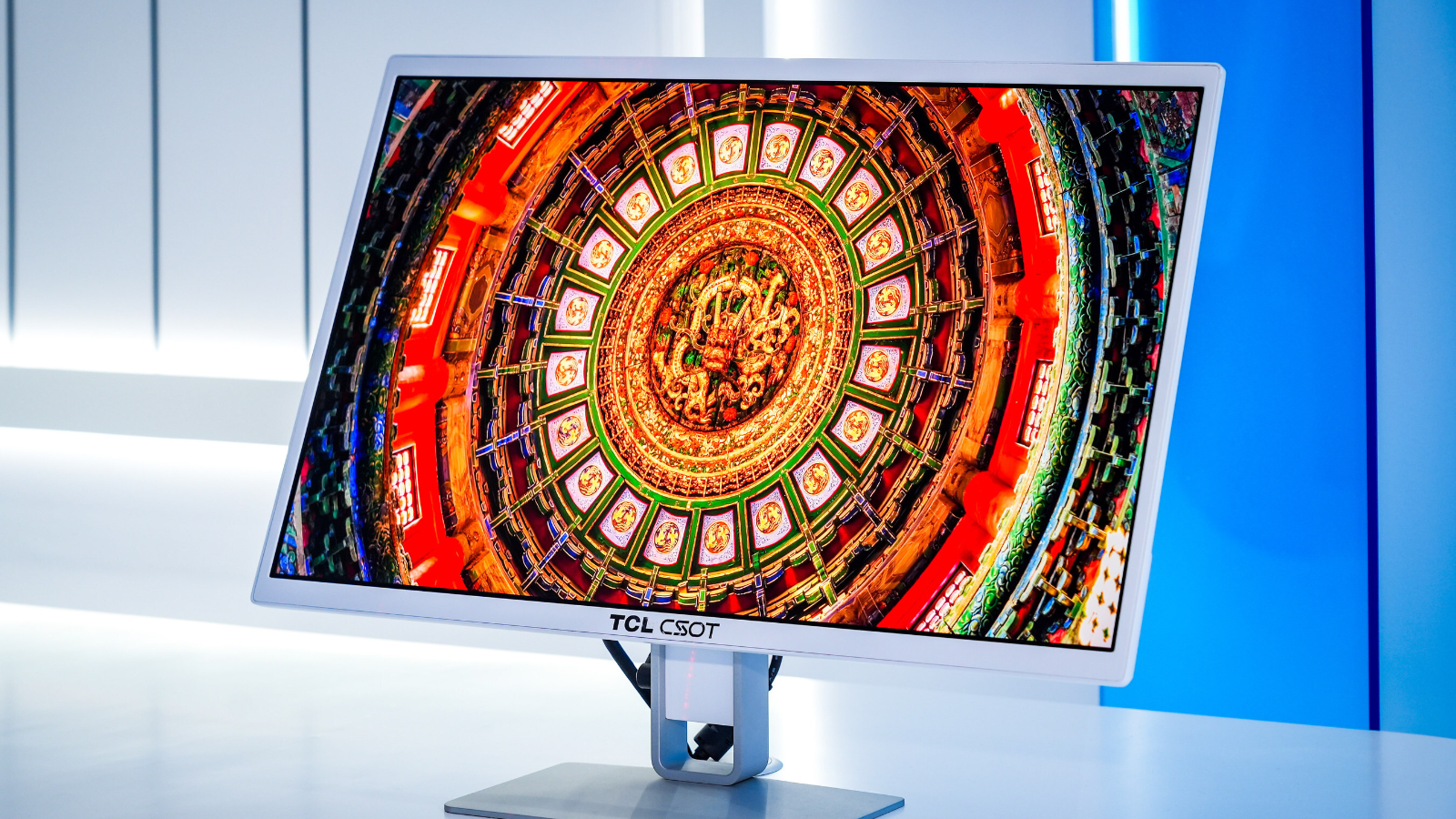
Recent developments in inkjet-printed OLED technology are set to significantly reduce production costs, making these advanced displays more accessible to consumers. According to a report by analysts at Omdia, the innovative approach of inkjet printing is expected to lower OLED production expenses by 30 to 35% compared to the traditional Fine Metal Mask (FMM) method.
A Leap Towards Affordability
This advancement is particularly promising for the future of laptops, phones, and in-car consoles where OLED displays have gained popularity. The anticipated price drop heralds a new era for consumers who have long been priced out of premium display technologies. Analysts indicate that while mass-market affordability for large televisions may still be years away, immediate benefits are on the horizon for smaller devices.
Efficiency and Production Insights
Not only will inkjet-printed OLEDs be cheaper to produce, but they are also projected to enhance manufacturing efficiency. Reports suggest that manufacturers can generate up to 10% more displays from a single substrate compared to FMM processes. As production capabilities expand, it opens the door for greater innovation and a broader selection of products in the market.
Overcoming Challenges and Future Prospects
Despite the optimism surrounding this technology, it is essential to recognize the challenges that still lie ahead. Past issues regarding the lifespan of blue OLEDs made through the inkjet process have raised concerns; however, manufacturers like TCL CSOT are actively working on improvements. Remarkably, projections indicate enhancements in longevity, with blue pixel lifespans expected to rise from just 40 hours to 400 hours by late 2025, along with a one-third reduction in power consumption.
The ongoing investment in this technology shows a commitment to overcoming these challenges. TCL CSOT has committed a staggering $4 billion to its new T8 plant in Guangzhou, which will increase production capacity significantly and cater to a rising demand for monitors and notebooks. With mass production slated to commence in late 2027, the future of OLED displays is looking brighter than ever.
As the technology unfolds, consumers and manufacturers alike will benefit from advancements that promise better quality displays at lower prices, revolutionizing the way we interact with digital media.

