Great Lakes Ice Coverage Brings Positive Impacts Amid Bitter Cold
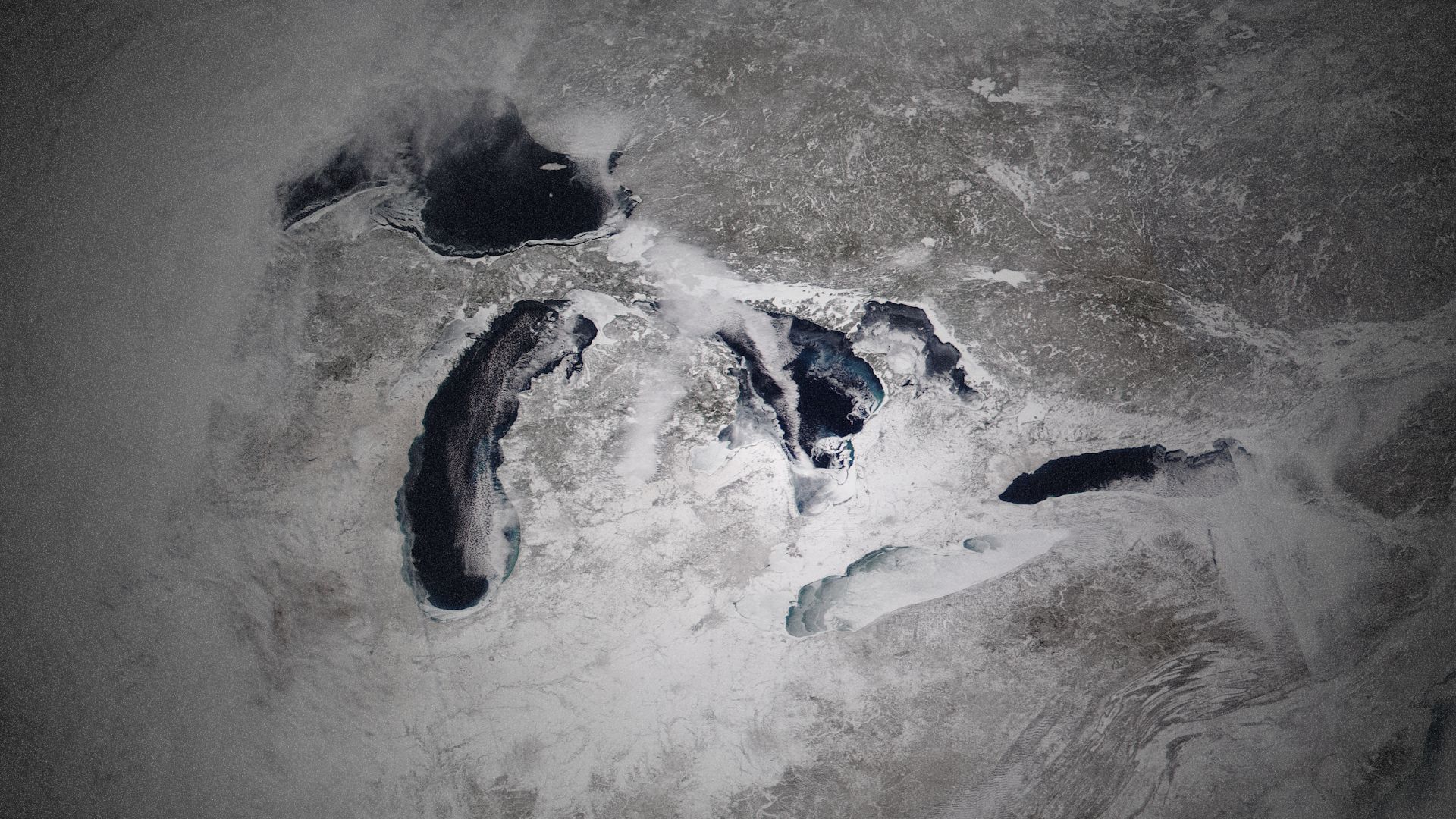
The Great Lakes have witnessed a significant transformation in their ice coverage, offering a silver lining amidst the harsh winter weather. Recent reports indicate that a wave of frigid temperatures has led to a remarkable increase in ice formation across the region, providing a welcome respite for communities beleaguered by heavy snowfall this season.
Remarkable Ice Developments
As of February 5, the Great Lakes showcased an impressive 56% ice coverage, a stark rise from just 15.5% recorded three weeks prior. Lake Erie is leading the charge with nearly 96% of its surface frozen, closely followed by about 75% of Lake Huron. This thick layer of ice not only mitigates the potential for severe lake-effect snow but also holds various benefits for local economies and ecosystems.
Economic and Ecological Benefits
Thicker ice coverage is proving advantageous for lakeside communities, as it supports activities such as ice fishing and recreational sports, vital for local businesses during the winter months. Moreover, research suggests that this ice can help reduce wave activity, thereby protecting aquatic ecosystems from potential disruption. While communities may temporarily lose the moderating effects of the lakes against frigid temperatures, the overall economic and environmental benefits are proving worthwhile.
In conclusion, while the cold may present challenges, the recent ice development across the Great Lakes offers a positive outlook for local communities and the environment. As ice coverage increases, residents can look forward to not only a reduction in heavy snowfall but also the myriad benefits that come with a stable and robust winter landscape.

