Global Light Pollution Reduction: A Positive Shift Towards Darker Nights
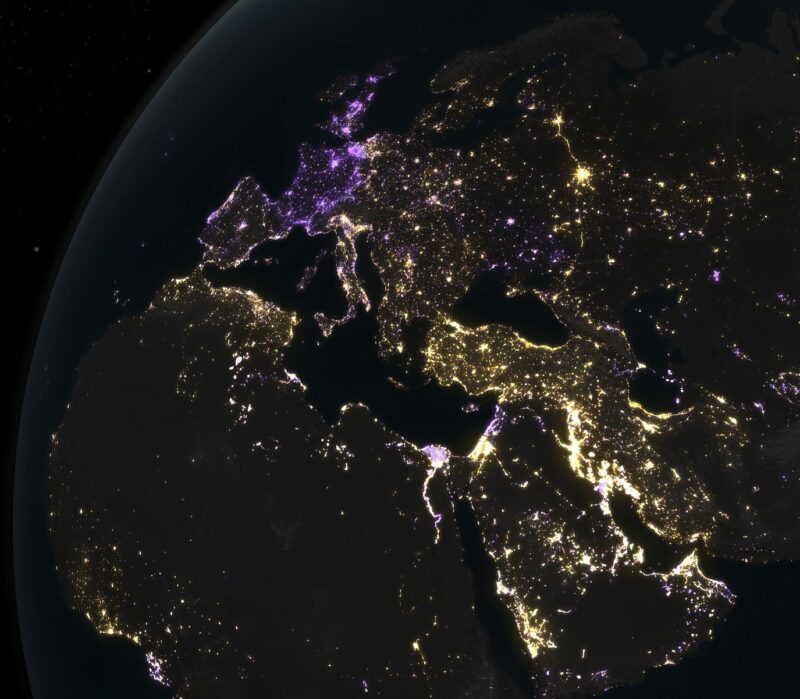
In a remarkable update from NASA, new global maps reveal a hopeful trend in the battle against light pollution, showing significant reductions in nighttime lighting in several regions between 2014 and 2022. As part of the Black Marble project, these satellite images not only illustrate the ongoing changes in Earth's luminous landscape but also highlight the benefits of energy conservation efforts.
Illuminating Progress Across Europe
The maps unveiled by NASA indicate a notable dimming of nighttime lights in key areas like northwestern Europe. This is largely attributed to increased utilization of LED lights and various energy conservation measures. For instance, Paris and much of France experienced a 33% dimming in light pollution, while the U.K. and the Netherlands reported reductions of 22% and 21%, respectively. These positive developments showcase how policy changes and public awareness can foster environmental improvements.
The Reversibility of Light Pollution
One of the most encouraging takeaways from NASA’s research is the acknowledgment that light pollution is reversible. With simple adjustments to our habits and lighting choices, individuals and communities can contribute to a more sustainable night sky. Practical advice includes limiting outdoor lights, positioning lights to shine downwards, and using warm-colored LEDs or motion detectors to reduce unnecessary illumination.
A Call to Action
While the overall global radiance has increased by 34% over the study period, the report emphasizes that positive changes are within reach. By being proactive in our lighting usage, everyone can play a part in this necessary shift. Resources like Dark Sky International offer guidance on effective measures to combat light pollution.
In conclusion, NASA’s findings highlight a growing awareness and commitment to reducing light pollution in certain parts of the world. As communities strive to embrace these changes, there is hope for clearer nights and a more profound connection with the stars above.

