Global Cooperation Sparks Hope for a Greener Future
In a significant diplomatic move, Iran and the United States have agreed to a ceasefire that promises stability for the next two weeks, particularly with the reopening of the crucial Strait of Hormuz. This development not only eases tensions but also opens pathways for the movement of vital commodities essential for the clean energy transition.
Positive Developments in Clean Energy Commodities
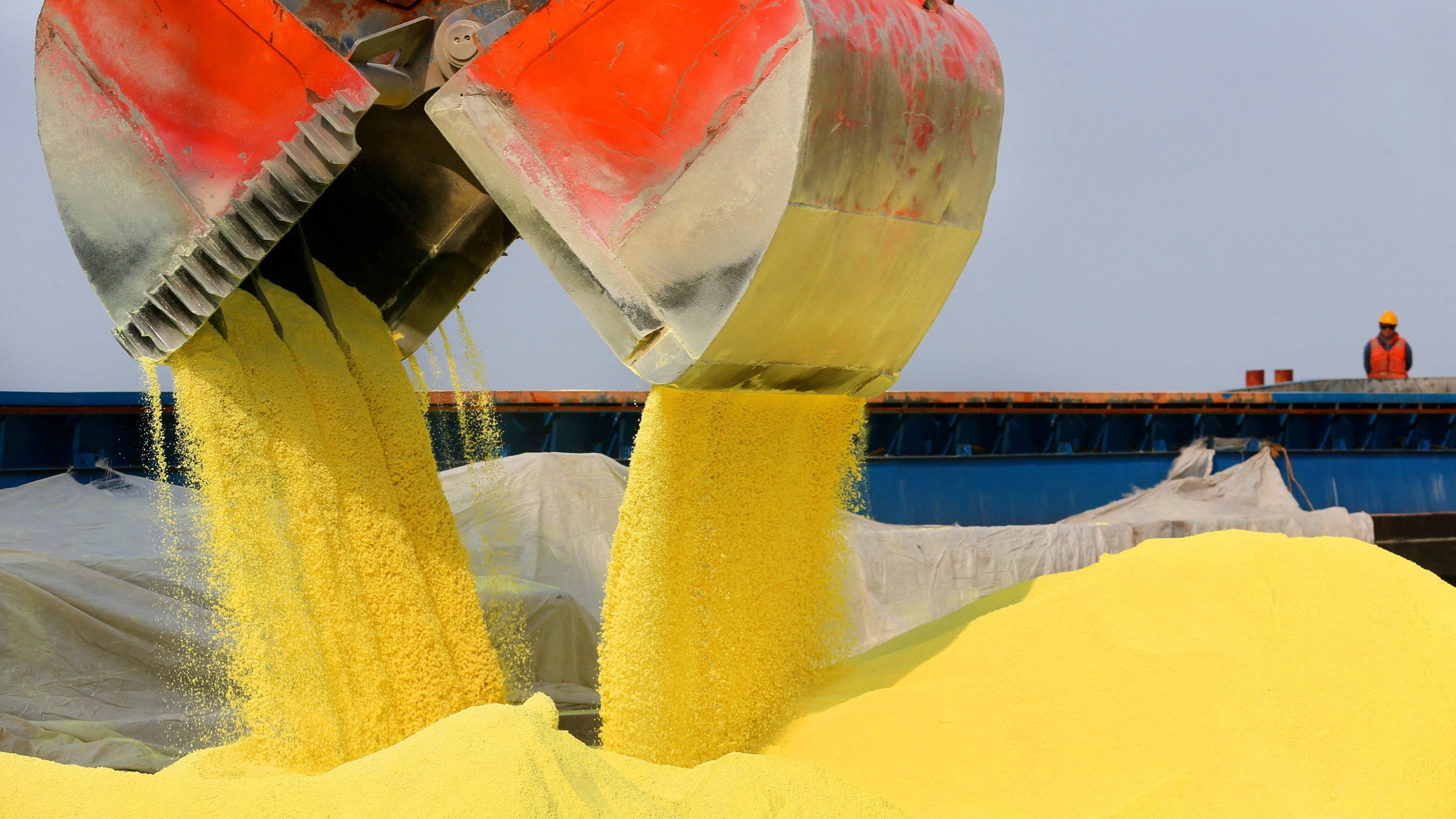
The closure of the Strait had far-reaching implications, affecting not just oil and gas transportation but also the movement of key materials necessary for green technologies. Sulphur, petroleum coke, and aluminium, all critical for the production of solar panels and electric vehicle batteries, have been hindered by shipping disruptions. With the strait now open, a renewed focus on accelerating the transition to sustainable energy sources looks promising.
China's Commitment to Nature and Biodiversity
In another optimistic development, twenty-nine organizations in China have pledged to align their disclosures with the Taskforce on Nature-related Financial Disclosures framework (TNFD). This move positions China as a notable player in global environmental responsibility, with 16 organizations on the mainland and 13 in Hong Kong committing to this initiative. David Craig from TNFD highlights that despite starting from a low base, the progress made over the last year has been surprising, reflecting a burgeoning recognition of nature's significance in economic agendas.
Craig emphasizes that addressing nature and biodiversity goes beyond conservation efforts. He advocates for innovation in industrial processes to diminish environmental impacts, positing that if China can lead in this technological development, it could result in substantial benefits for the global community.
A Call for Sustainable Practices
As the world witnesses these transformative developments, experts like Julien Chaisse advocate for a shift towards greater energy resilience. With calls for enhanced electrification and domestic clean power, the focus shifts toward a more sustainable and diversified resource management strategy. The urgency for economic growth must not come at the expense of environmental integrity.
The combination of diplomatic progress, China's commitment to biodiversity, and an emphasis on innovative sustainability practices paints a hopeful picture for the future. Cooperation across borders, innovative technologies, and a steadfast resolve to prioritize both the economy and the environment are critical as we navigate the challenges of climate change and resource management.

