Exciting Innovations on the Horizon: Googlebooks Reimagines Laptops
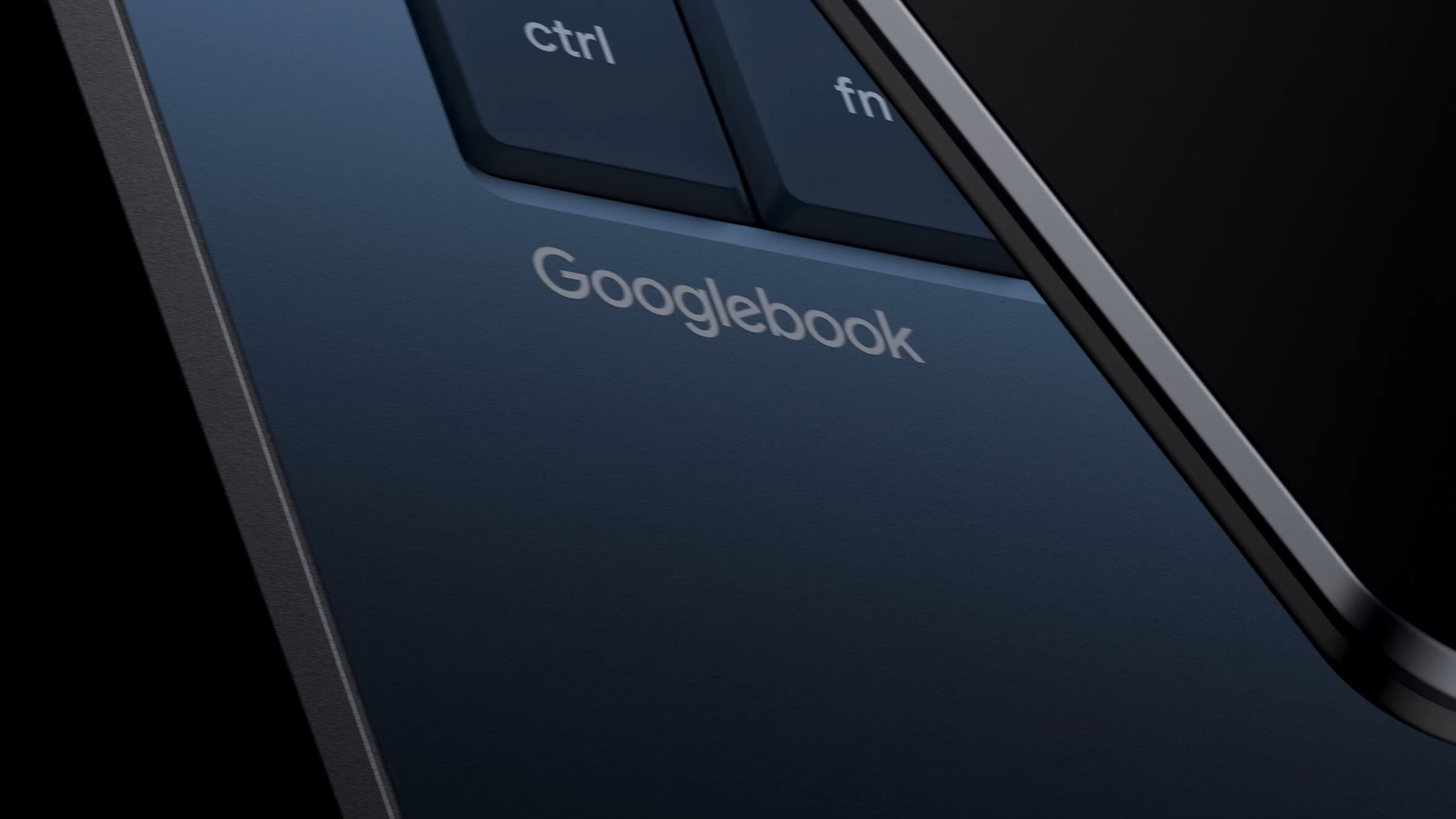
In a significant step towards redefining personal computing, Google has unveiled its latest innovation: Googlebooks, a new category of laptops that is set to be powered by Android technology. This announcement marks a promising evolution in the realm of devices traditionally dominated by established platforms.
Key Features and Capabilities
Company executive John Maletis has shed light on the features that set Googlebooks apart. These laptops will support a range of processors, including options from Intel, MediaTek, and Qualcomm. This versatility echoes the approach taken by Chromebooks, leveraging the advantages of both x86 and Arm architectures. Such flexibility means users may opt for models that prioritize power efficiency, particularly those equipped with Arm-based processors from MediaTek or Qualcomm, thereby extending battery life and enhancing mobility.
Native Android App Support: A Game-Changer
One of the standout features of Googlebooks is its support for truly native Android applications, which promises to deliver exceptional performance that surpasses emulated experiences. This native support opens up a vast array of applications for users, aligning with the growing demand for seamless integration between devices and software ecosystems.
Integration with Chrome OS Features
Furthermore, Googlebooks is designed to incorporate many core features of Chrome OS, ensuring that users will have access to familiar tools and functionalities. While some features may not be available initially, the promise of a comprehensive suite of capabilities enhances the appeal of the new laptops.
As we move forward in an increasingly digital world, the introduction of Googlebooks signifies not just a product launch, but a potential shift in how we view and use laptops. With their commitment to innovation and user-centric design, Google paves the way for a new era of computing that prioritizes efficiency, performance, and user empowerment.

