
Exciting Discovery: Tiny Wallabies Resurrected After 50 Years in Australia!
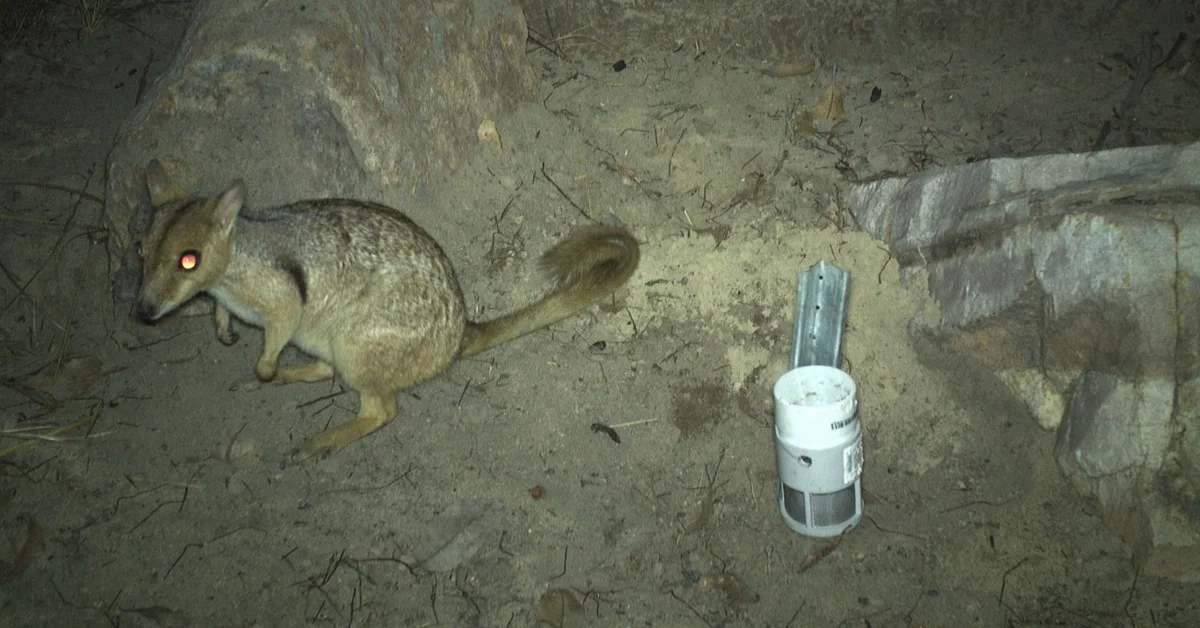
In a remarkable twist that highlights the resilience of nature, researchers at the Australian Wildlife Conservancy are celebrating a significant breakthrough with the confirmed sightings of the Nabarlek, Australia's second-smallest wallaby, for the first time in half a century. This discovery underscores not only the ongoing efforts in conservation but also reignites hope for an endangered species.
The Signs of Hope
Recent trail camera footage has confirmed the presence of the Nabarlek at two new sites in Western Australia’s Kimberley region, specifically on the Yampi Sound Training Area. This marks the first detection of this elusive rock-wallaby on the mainland in over 50 years, delivering a dual boost to conservationists and scientists alike.
Collaboration and Innovation
The successful identification of the Nabarlek can be attributed to collaborative efforts between the Australian Wildlife Conservancy and the Dambimangari Aboriginal Corporation. By utilizing advanced techniques such as camera trapping and genetic analysis through scat samples, they distinguished the Nabarlek from similar species, emphasizing the significance of innovative research in saving endangered wildlife.
A Positive Outlook for Conservation
The sightings not only provide critical insights into the species’ ecology but also serve as a beacon of hope for conservation strategies in Australia. “This is very exciting and great news for the species,” stated Larissa Potter, AWC senior field ecologist, emphasizing that these findings are pivotal in recognizing potential populations of the Nabarlek in unexplored areas.
The Journey Ahead
Looking ahead, the AWC and Dambimangari Aboriginal Corporation plan to conduct further surveys to locate more Nabarlek populations. With a commitment to understanding the health of this species and implementing conservation measures, their goal is clear: to ensure that the Nabarlek does not vanish from the landscape again.
This development not only reflects a victory for wildlife conservation efforts but also serves as a reminder of the interconnectedness of all species and the importance of maintaining a healthy ecosystem.




