
Exciting Developments in UK-EU Trade Agreements Spark Optimism
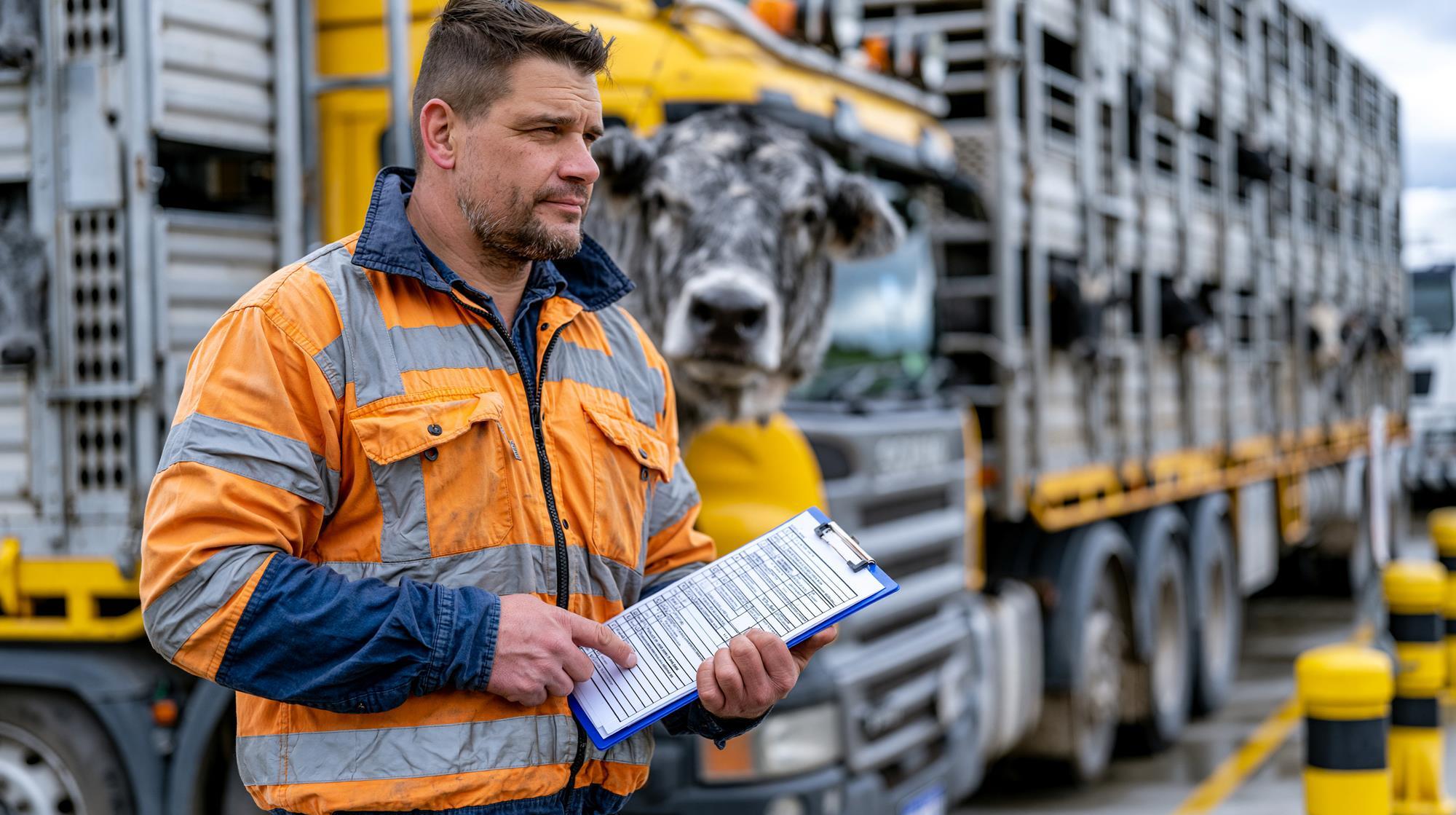
This week marked a significant moment in the relationship between the UK and the EU, as new agreements were reached to eliminate unnecessary border checks on food, plants, and animals. This development has been described as "very positive news" for hauliers, signifying progress in logistics and trade cooperation.
A Reset Deal for Enhanced Trade Relations
The UK-EU summit held in Brussels has led to a "reset deal" focusing on food and drink, emissions trading, and a youth mobility scheme. Prime Minister Andy Burnham characterized the outcome as “a good deal for Britain”, indicating a promising shift in the post-Brexit landscape and its impact on trade.
Streamlining Processes for Economic Growth
Logistics UK has heralded the new arrangements aimed at creating a common sanitary and phytosanitary (SPS) area. This move will significantly reduce paperwork and delays, thereby enhancing the efficiency of trade across the Channel. Chief executive Ben Fletcher emphasized that this agreement represents a pivotal transition from political negotiation to practical outcomes, which will undoubtedly support trade-led growth on both sides of the Channel.
Opportunities for Businesses and Economic Recovery
The implications of these agreements are vast. Logistics UK noted that facilitating smoother trade is essential, as trade drives growth and logistics enables that trade. With goods worth £1 trillion moving in and out of the UK annually, making trade easier and less expensive stands to bolster competitiveness and strengthen supply chains—elements crucial for recovering the UK's lost trade intensity, which currently weighs heavily on the economy.
A Look Ahead: Further Improvements Needed
While the announcement has been met with enthusiasm, stakeholders also noted areas for further improvement. The absence of resolutions regarding restrictions on the number of days HGV drivers can spend in the EU remains a concern. Richard Smith of the RHA highlighted the continued call for solutions regarding professional driver mobility and border processes, which are vital for the industry.
As a summit approaches next month, there is hope that further agreements will facilitate substantial trade benefits, paving the way for a more efficient logistics supply chain. The recognition of the logistics sector's challenges and the steps being taken to address them signal a bright future for trade and economic recovery.


