Exciting Developments: A Ceasefire Agreement with Iran Could Transform Global Trade
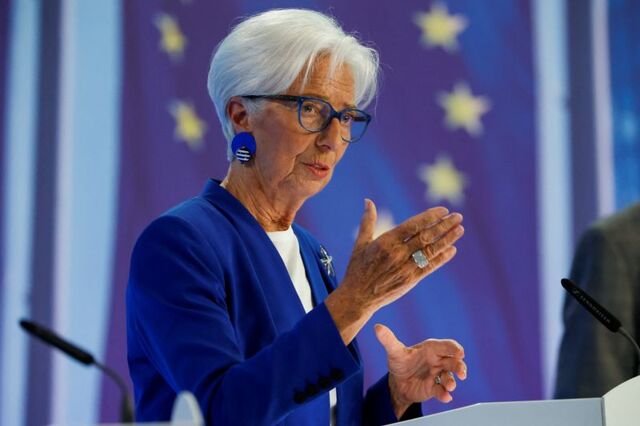
In a significant diplomatic breakthrough, European Central Bank President Christine Lagarde has hailed the recent ceasefire agreement between the United States and Iran as “good news.” This agreement, according to Lagarde, holds the potential to re-open the strategically vital Strait of Hormuz, which is crucial for global oil shipments.
A Step Toward Stability
Lagarde's positive remarks come as U.S. and Iranian officials confirm the preliminary pact to end hostilities. She noted, “If this news is confirmed by developments in the coming days and the signing of a memorandum of understanding, it is good news. We can only welcome it.” This optimism reflects hopes that easing tensions in the region could stabilize not only oil prices but also the broader economic landscape.
Implications for Global Trade
The reopening of the Strait of Hormuz could have profound implications for international trade. The strait is a key maritime passage through which a significant percentage of the world’s oil flows. By restoring peace and reducing risks associated with maritime navigation, this agreement could lead to a more favorable environment for global economies, potentially driving down oil prices following an initial decline.
Looking Ahead
While the agreement marks a promising step forward, Lagarde cautioned that “the whole question of uranium enrichment remains to be debated, agreed and concluded in the form of an agreement.” This indicates that while there is progress, ongoing negotiations will be necessary to ensure a lasting resolution and comprehensive agreement regarding Iran's nuclear ambitions.
The world awaits further developments as both parties work towards implementing this agreement, which may serve as a turning point in Middle Eastern relations and global economic stability.

