Exciting Changes to Young Horse Championships Ensure Better Welfare and Training
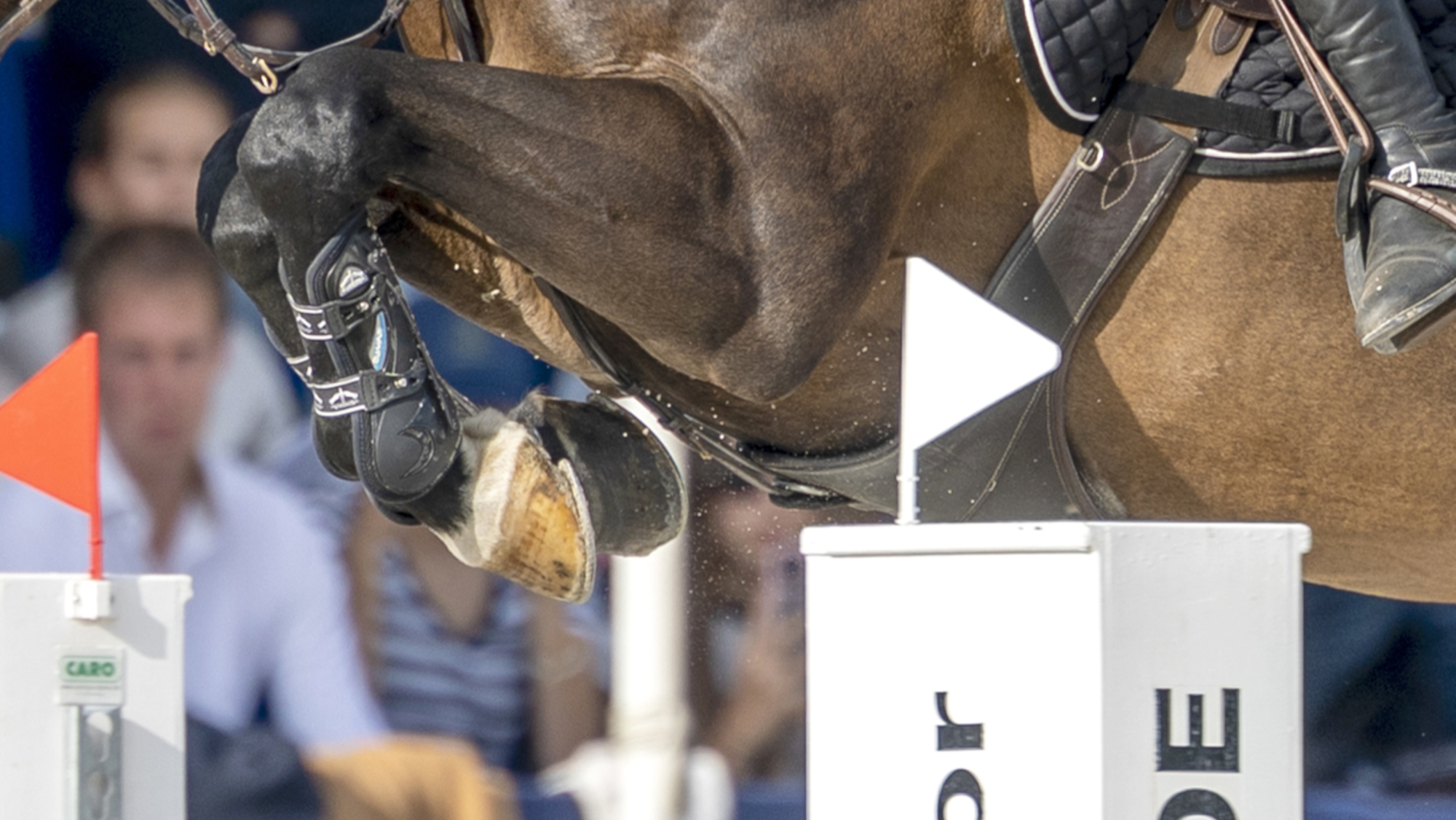
The recent announcement from the World Breeding Federation of Sport Horses (WBFSH) and the FEI regarding changes to the jumping World Championships for young horses has generated a wave of positivity within the equestrian community. These updates aim to improve the welfare of the horses while enhancing their training experience, addressing serious concerns raised during the previous year’s competition.
Shifting Focus to Correct Riding
Gone are the days of racing against the clock as the new competition format for five-year-olds will emphasize optimum time instead. This shift is seen as a vital step towards promoting correct and educational riding, thereby alleviating time pressure on young horses. Such changes indicate a growing recognition of the importance of developmental stages in young horses’ training and well-being.
Minimum Eligibility Requirements Introduced
In conjunction with the new timing format, Minimum Eligibility Requirements (MERs) have been introduced. These standards ensure that horses arrive fully prepared for the championships. Five-year-olds must demonstrate their readiness by jumping three clear rounds in appropriate competitions, with similar standards set for older horses. This strategic move aims to foster better preparation and reduce stress on younger competitors.
A Consensus for Change
The concern over the welfare of young horses was echoed by respected figures in the sport. Prominent equestrians like William Funnell have voiced their support for the new initiatives, highlighting the necessity of viewing horse welfare as paramount in the sport. Such unified backing suggests a forward-thinking approach in the equestrian community, advocating for a system that nurtures the development of young horses rather than hastening their progress through undue pressure.
A Hopeful Future for Young Equestrians
The optimism surrounding these changes is palpable among breeders and trainers alike, with many viewing it as a significant step in the right direction. The hope is that through these modifications, we will not only support the health and training of young horses but also enhance the overall quality of competitions. As the equestrian sport continues to evolve, these thoughtful adjustments are indicative of a commitment to welfare and proper horsemanship.

