Exciting Changes Set to Transform Young Horses' Championships for the Better
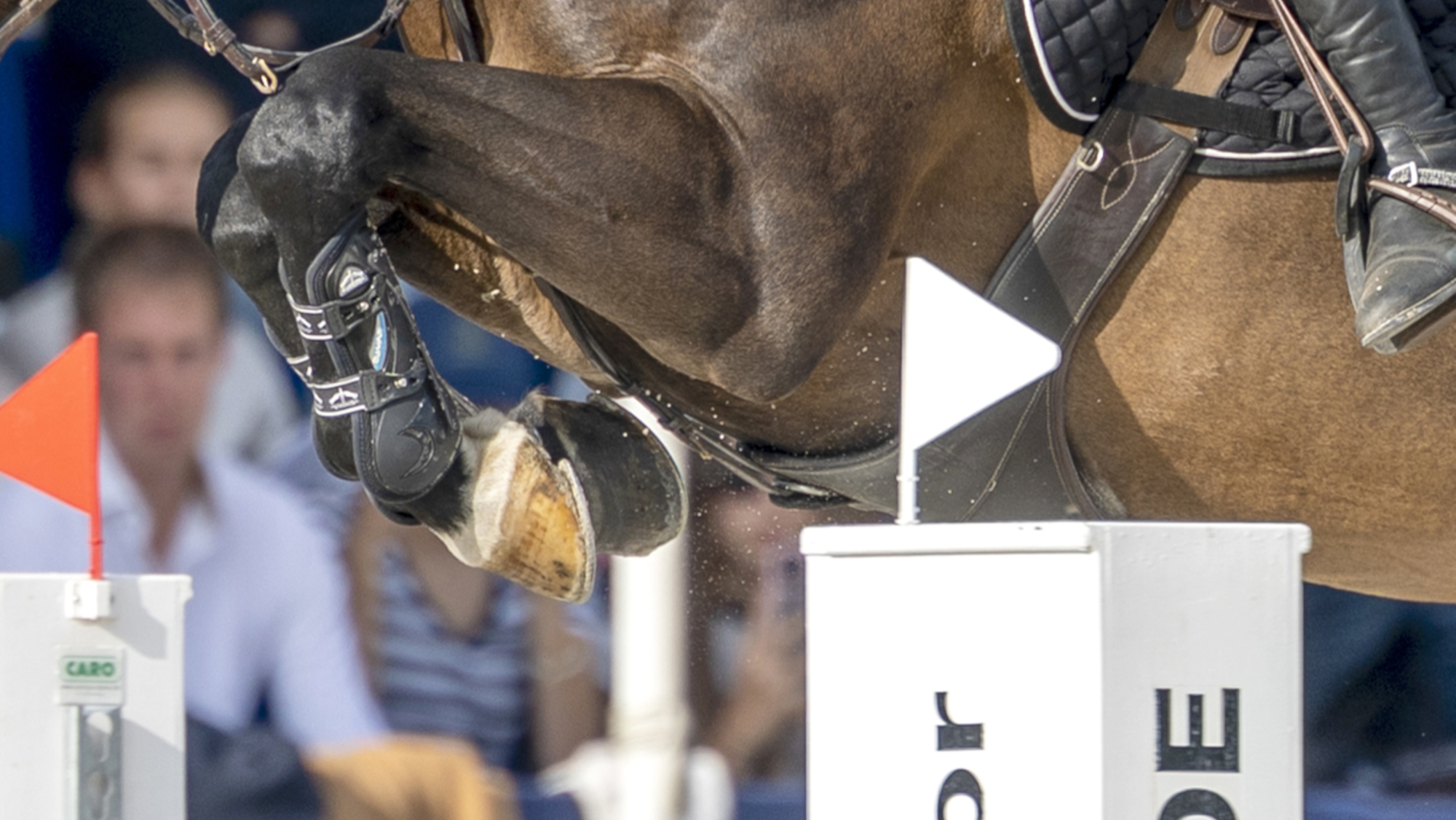
Recent updates to the jumping World Championships for young horses promise to place a stronger emphasis on the well-being of these equine athletes. Following concerns from last year’s competition about the intense pressure on young horses to perform against the clock, the World Breeding Federation of Sport Horses (WBFSH) and the FEI have announced significant changes aimed at enhancing horse welfare and improving the developmental process for young competitors.
A Shift in Focus
The newly introduced format for five-year-olds at the upcoming championships will utilize an optimum time system instead of traditional clock-based racing. This pivotal change aims to foster a more nurturing environment for young horses by reducing time pressures that often lead to overwhelming experiences for these developing athletes. By focusing on educational riding, the new system will hopefully alleviate the stress that many competitors faced in previous years.
Minimum Eligibility Requirements for Enhanced Preparation
In addition to the change in timing, the introduction of Minimum Eligibility Requirements (MERs) is set to ensure that all participating horses arrive well-prepared for competition. For instance, five-year-olds must successfully complete three clear rounds in designated competitions prior to the championship. This practice aims to guarantee that competitors are not only ready but also capable of handling the challenges of the championship courses.
Welfare as a Priority
Advocates for horse welfare, including WBFSH committee member Katy Holder-Vale, have emphasized the significance of these changes. “Horse welfare has got to be the first thing you think of,” she stated, underlining that this proactive approach reflects a broader commitment to prioritize the health and training of young horses. Industry professionals believe that this strategic change will not only protect the well-being of underprepared horses but also set a new standard for training across the sport.
Community Support for Positive Transformation
Breeder Carron Nicol, who witnessed the challenges of last year's competition, expressed support for the new optimum time format. She noted that fostering an environment where horses can learn to jump correctly is essential for their development. The consensus among professionals indicates that these thorough reevaluations of competition structure could lead to a brighter future for young horse training.
The optimism surrounding these changes suggests a promising shift in the equestrian community's approach to competition, focusing not just on speed and performance but also on the longevity and health of young talents. As the new regulations take effect, the hope remains that this will lead to a more sustainable and responsible framework for young horse championships worldwide.

