
Discovering the Profound Impact of Positive Imagery in Equestrian Sports
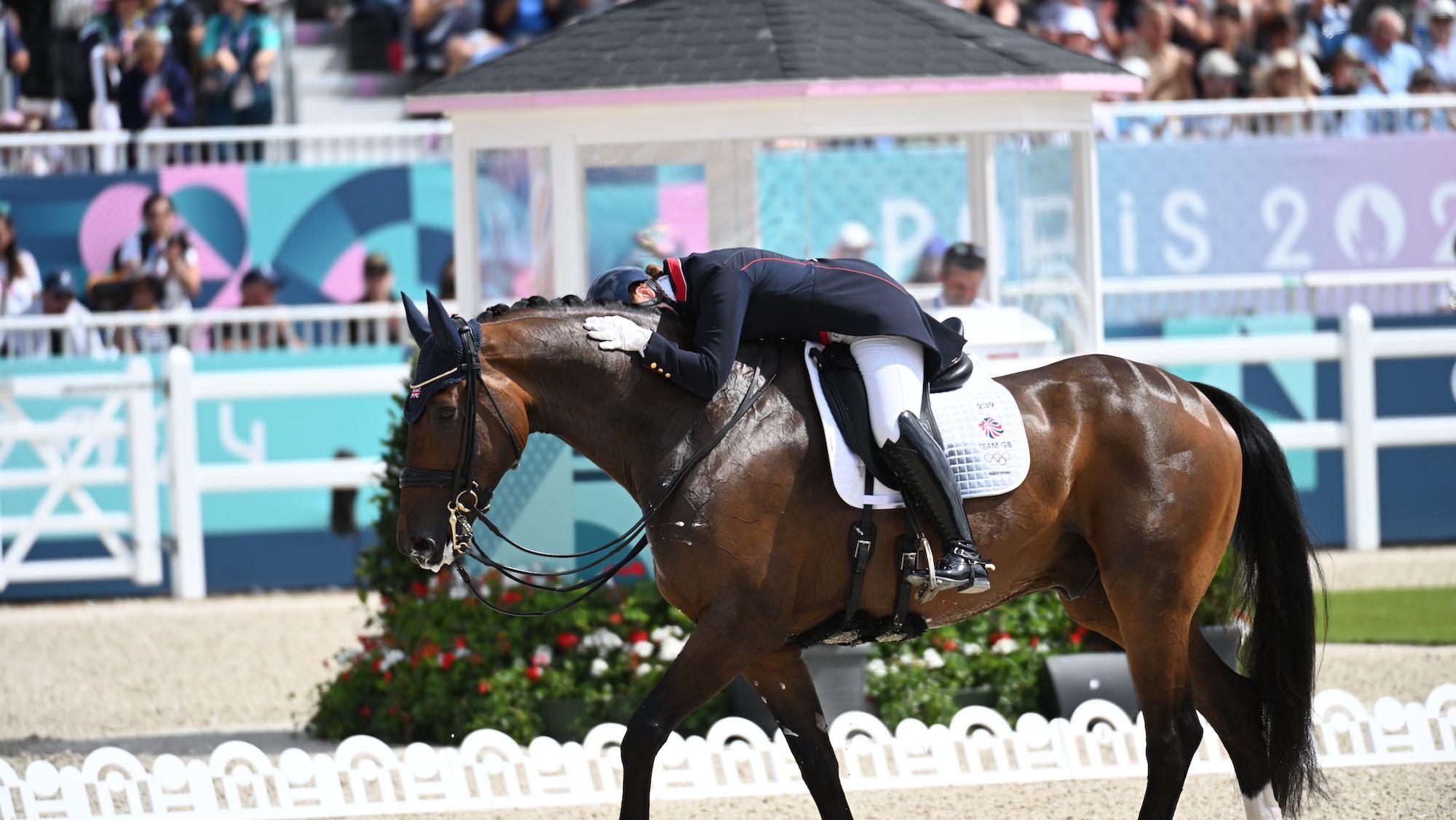
A recent study sheds light on the evolving perception of equestrian sports, emphasizing a welfare-centered approach that values the relationship between horses and riders. Conducted by researchers from Hartpury and other institutions, the study highlights how visual representation influences public perception of horse welfare during the 2024 Paris Olympics.
Welfare-Centered Imagery Takes Center Stage
The findings from the study indicate that audiences are increasingly critical of how horses are portrayed in images, preferring visuals that reflect comfort and partnership rather than mere performance. Participants evaluated photos through a lens of ethics and welfare, showing a significant awareness of how images impact perceptions of horse treatment. This shift towards prioritizing horse welfare enhances the legitimacy and social license of equestrian sports.
The Power of Perception in Equestrianism
Co-author Victoria Lewis noted the substantial feedback collected from over 500 survey participants demonstrated the strong emotional connection people have with horse welfare. Many comments highlighted appreciation for imagery that illustrated trust and companionship between horse and rider. This feedback is crucial as it emphasizes that equestrians must be mindful of the messages conveyed through their photographs, beyond just selecting aesthetically pleasing images.
A Positive Shift Towards Ethical Practices
The research not only points out the need for careful image selection but also encourages a deeper understanding of the responsibility equestrians have in portraying their sport. The study revealed that individuals actively look for evidence of ethical training practices within the visuals they encounter, promoting a culture that values the well-being of horses.
As equestrian sports continue to evolve, the insights gained from this research pave the way for a more compassionate and ethically grounded approach to horse training and competition. This progressive mindset exemplifies a collective movement towards ensuring that both horses and riders thrive in a respectful and harmonious environment.




