Discover the Unforgettable Journey of Chapal Bhaduri: A Star of Resilience
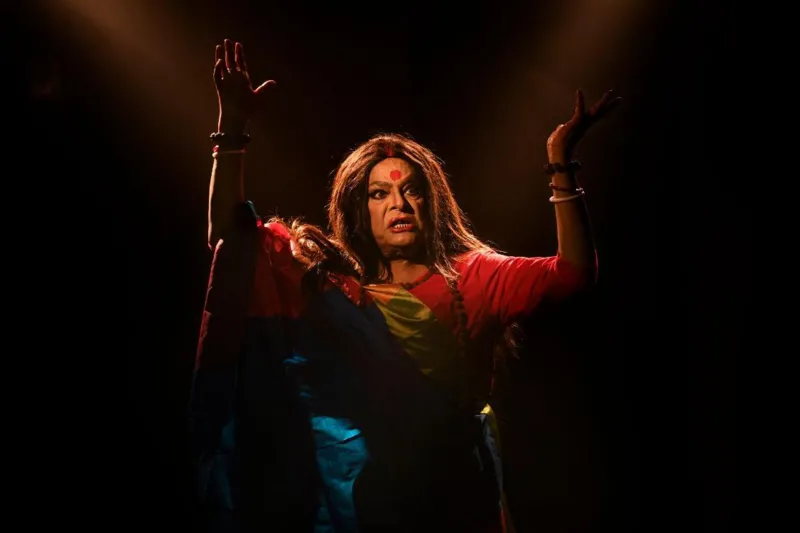
In the vibrant theatre landscape of mid-20th Century Bengal, a remarkable figure emerged who reshaped the boundaries of gender in performance arts: Chapal Bhaduri, also known as Chapal Rani. As the reigning "queen" of jatra, a traditional travelling theatre, Bhaduri's story is not just one of stardom but of resilience, artistry, and the fluidity of gender in cultural expression.
The Art of Transformation
Bhaduri was born in 1939 in north Kolkata to a theatre actress and began his career at the young age of 16. He captivated audiences by portraying queens, courtesans, and goddesses with grace and authenticity. Far from being a mere caricature, his performances were deeply emotive and immersive, forcing audiences to confront their own understanding of femininity and gender roles.
A Cultural Shift
As societal norms evolved and women began to dominate the stage, Bhaduri faced both immense challenges and opportunities. While the norms that once elevated male impersonators to stardom began to close in, it was his unique talent and dedication that allowed him to continue captivating audiences, even as the theatrical landscape shifted. There were brief resurgences in his visibility, particularly when younger filmmakers and theatre directors recognized his historical importance and artistic legacy.
Enduring Influence
Despite facing rejection and loss, including booing during performances aimed at older female roles, Bhaduri's contributions to the performing arts remained indelible. His life and career have become a beacon for the LGBTQ+ community in India, where his complex identity offers insight into the struggles and triumphs of living authentically in a rapidly changing cultural landscape.
A Legacy for Future Generations
Today, Bhaduri's story is revisited with admiration and respect. In "Chapal Rani: The Last Queen of Bengal," author Sandip Roy narrates the fading world of jatra and the significance of performers who defied societal norms. Bhaduri's life prompts vital questions about memory and recognition in the arts, fueling discussions about the individuals who have shaped—and continued to shape—cultural narratives.
As society becomes increasingly open to conversations about gender and identity, the legacy of Chapal Bhaduri teaches us that true artistry transcends labels, revealing the human experience in all its complexity. Through his resilience and creativity, Bhaduri stands as a symbol of the enduring power of expression, reminding us to celebrate diverse narratives and to reflect on whom we choose to remember.