Discover the Remarkable Impact of Citizen Scientists in Australia
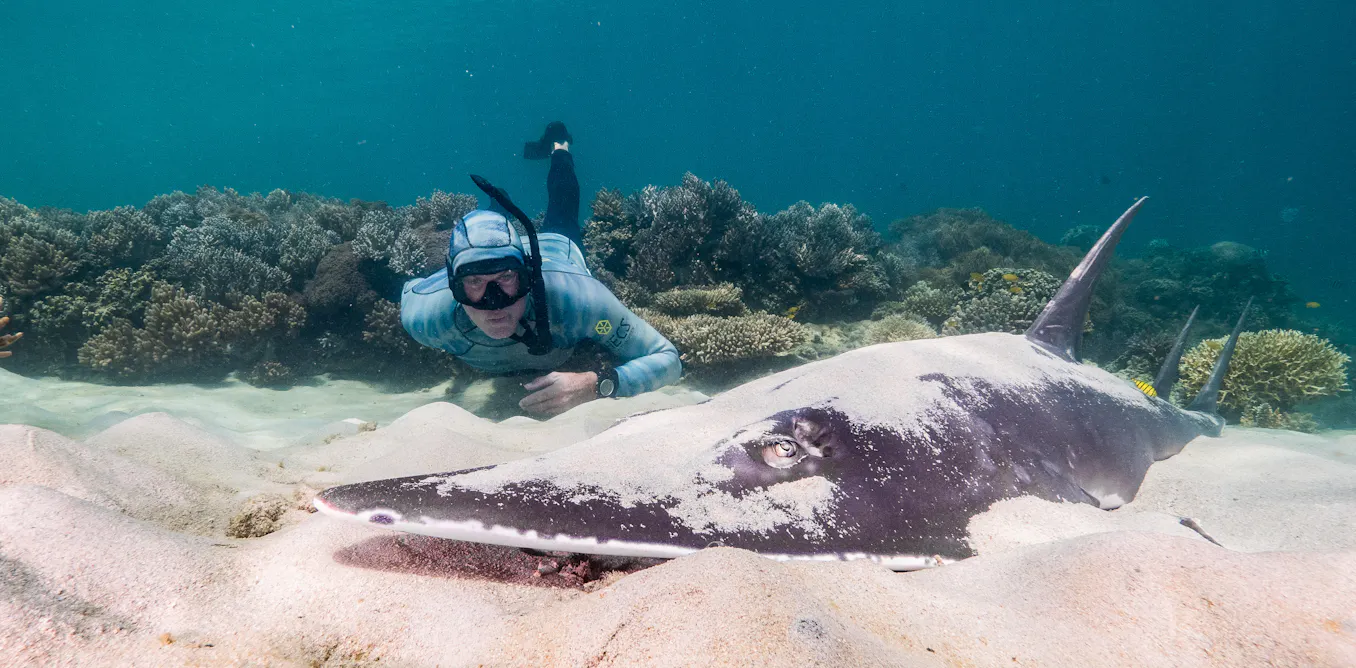
In a world increasingly driven by data and scientific discovery, the rise of citizen science in Australia is a noteworthy phenomenon that demonstrates the power of community involvement in research. Recent estimates suggest that over a million Australians are now engaged in citizen science projects, significantly reshaping the landscape of scientific research across the country.
The Growing Force of Citizen Scientists
Citizen scientists—individuals who contribute their observations and skills to enhance scientific research—have become a crucial part of Australia’s scientific community. Historically, figures like Charles Darwin and Ferdinand von Mueller have set the stage by building networks of passionate naturalists. Today, with the accessibility of smartphones and the internet, anyone can contribute their observations, creating a dynamic landscape for scientific data collection.
Historic Contributions and New Discoveries
The contributions of citizen scientists have had a profound impact on various fields, including environmental conservation. Significant historical events, such as the identification of the giant Gippsland earthworm in 1870, highlight the invaluable role that everyday individuals play in advancing our understanding of biodiversity. More recently, citizen scientists like Jürgen Otto have uncovered new spider species, while Jan Pope and her daughter discovered an unusual coral meadow in the Great Barrier Reef, showcasing that crucial discoveries continue to emerge.
The Future of Science Through Citizen Participation
As we face challenges such as climate change and environmental degradation, the role of citizen scientists is becoming even more pivotal. The collaboration between professional and citizen scientists has been recognized in several national strategies aimed at conservation and environmental management. Engaging a million Australians in these initiatives not only enriches scientific data but also empowers local communities to take charge of their environments.
Despite the clear benefits of citizen science, funding and support remain disproportionately low, with only a fraction of government funding directed towards these projects. Yet, as history suggests, citizen scientists possess the potential to make significant changes in our world. The call to action is clear: harnessing the commitment and insights of these individuals could be key in tackling pressing global issues. Their collective efforts echo the sentiment of anthropologist Margaret Mead, underscoring that a small group’s determination can indeed change the course of history.

