
Discover the Hidden Heroes of Your Garden: Toads Waste No Time in Pest Control
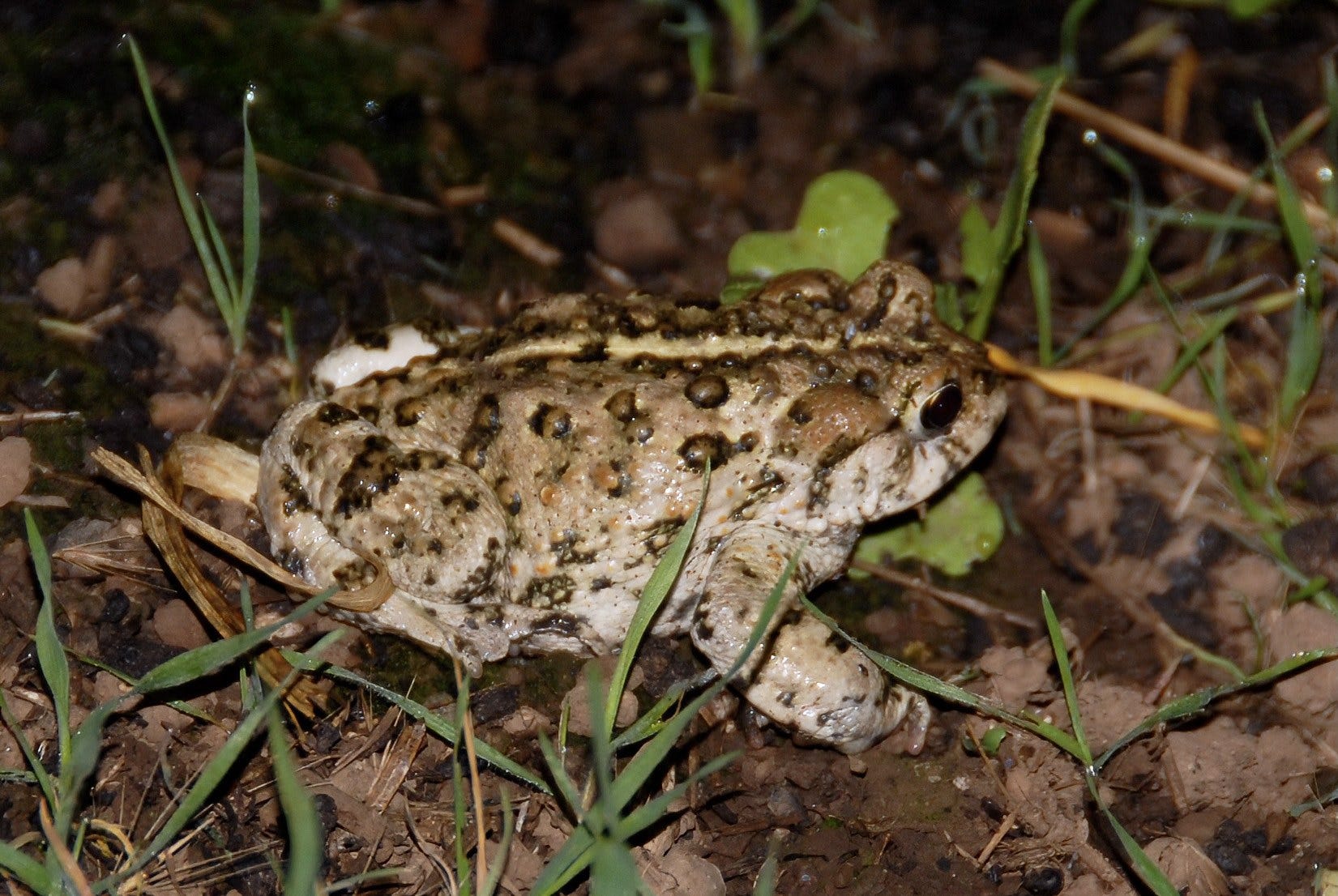
As we celebrate Veterans Day, it's essential to acknowledge the unsung champions that tirelessly work in our own backyards—garden toads. The presence of these remarkable amphibians is a testament to nature’s role in pest control, proving crucial for sustainable gardening practices. Today, we delve into the virtues of toads and their vital contribution to maintaining ecological balance in our gardens.
The Benefits of Toads in the Garden
In his enlightening article, UC Master Gardener Bob Niklewicz highlights the incredible benefits of toads, describing them as not just ordinary garden inhabitants but as a gardener’s ally. These creatures play a significant role in controlling pests such as slugs, snails, and even mosquitoes, which can plague gardens. Their nocturnal eating habits ensure that they assist in keeping harmful insect populations at bay, effectively safeguarding our crops without the need for chemical interventions.
Toads are often buried in moist soil during the day and come out at night to forage. Despite their less glamorous appearance, their contribution to pest management should not be overlooked. As Niklewicz aptly states, if it crawls, flies, or stops too close to a toad, it’s likely to become a meal.
Gardening for Climate Resilience
In addition to enhancing biodiversity, gardening practices discussed by UC Master Gardener Rainer Hoenicke emphasize the potential for residential gardening to combat climate change. During a workshop focused on the small water cycle, participants learned how to manage rainwater effectively in order to keep soil moist and vegetation flourishing longer into the dry season. This practice not only supports plants but also helps maintain cooler temperatures in our environment.
As homeowners engage with their green spaces, they not only create appealing landscapes but also support local ecosystems. Simple changes, such as planting rain gardens or directing downspouts strategically, encourage groundwater replenishment and contribute to broader climate resilience in Napa Valley. The actions of individual gardeners can collectively have a significant impact on our environment.
Community Engagement and Future Workshops
The Napa Valley community is encouraged to participate in further educational opportunities, such as the upcoming workshop on “Fruit Tree Fundamentals.” These sessions, facilitated by local Master Gardeners, can empower aspiring horticulturists to adopt sustainable practices while building a stronger connection with nature.
As we honor our veterans today, let us also give thanks to the tiny defenders in our gardens—the toads—that serve as nature’s pest controllers. Their efforts, combined with an informed and engaged community, pave the way for a healthier planet.


