Citizen Scientists: Uncovering a Million Hearts for Conservation
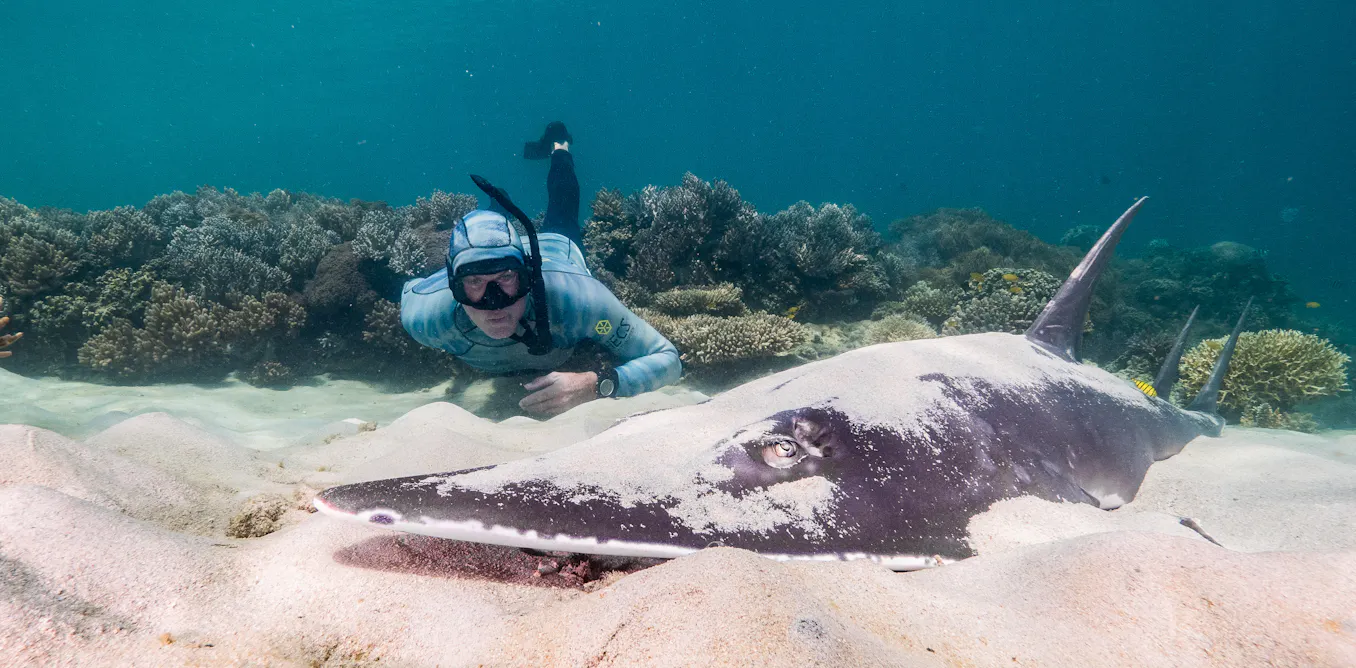
The landscape of scientific research is evolving, and at the forefront of this transformation is a remarkable initiative known as citizen science. Contrary to traditional science conducted solely by trained professionals, citizen science encourages everyday individuals to contribute to meaningful research efforts. Recent estimations suggest that there could be over a million citizen scientists in Australia alone, a significant jump from previous figures. This growing movement offers a unique opportunity for communities to engage in the protection of biodiversity and play an essential role in conserving our natural world.
The Historical Roots of Citizen Science
Citizen science has a distinguished history that dates back to figures like Charles Darwin and Ferdinand von Mueller, who relied on community involvement to expand scientific knowledge. Their efforts underscore the potential of public participation in research. As illustrated by the discoveries of the Wollemi pine and the bridled nailtail wallaby, ordinary people have historically taken significant strides in making new biological discoveries, contributing to the scientific community in ways that professional scientists often cannot achieve alone.
Current Contributions and Discoveries
Today, citizen scientists continue to make impactful contributions. For example, Jan Pope and her daughter recently discovered a huge coral meadow in the Great Barrier Reef, showcasing how amateur enthusiasts can directly contribute to conservation efforts. Furthermore, as new technological tools facilitate greater access to science, the volume of data collected by citizen scientists has soared to an astounding 10,000 species observations being posted daily on platforms like iNaturalist.
Engaging with Nature and Science
The citizen science movement not only serves to generate valuable data for professional scientists, but it also fosters a connection between individuals and their environment. This engagement is critical in an era where misinformation is rampant, allowing citizens to experience and acknowledge real scientific evidence firsthand. The collaborative nature of citizen science enhances trust and encourages local stewardship of resources as communities work together to monitor and protect their natural surroundings.
A Future Filled with Potential
With such a large and active participant base, there lies immense potential for citizen scientists to not only participate in ongoing research but also take a leading role in addressing climate change. As they engage in observing changes in flora and fauna, taking direct action to reduce emissions, and developing resilience strategies for their communities, citizen scientists are poised to make substantial contributions to environmental sustainability.
In summary, citizen science represents a powerful demonstration of collective action. As stated by anthropologist Margaret Mead, it is indeed ordinary citizens, driven by passion and curiosity, who hold the key to igniting change in the world. With proper support and recognition, the efforts of these enthusiastic individuals can lead to groundbreaking advancements in conservation and an enriched understanding of our planet.

