China's Steady Growth: A Beacon of Stability in Global Trade
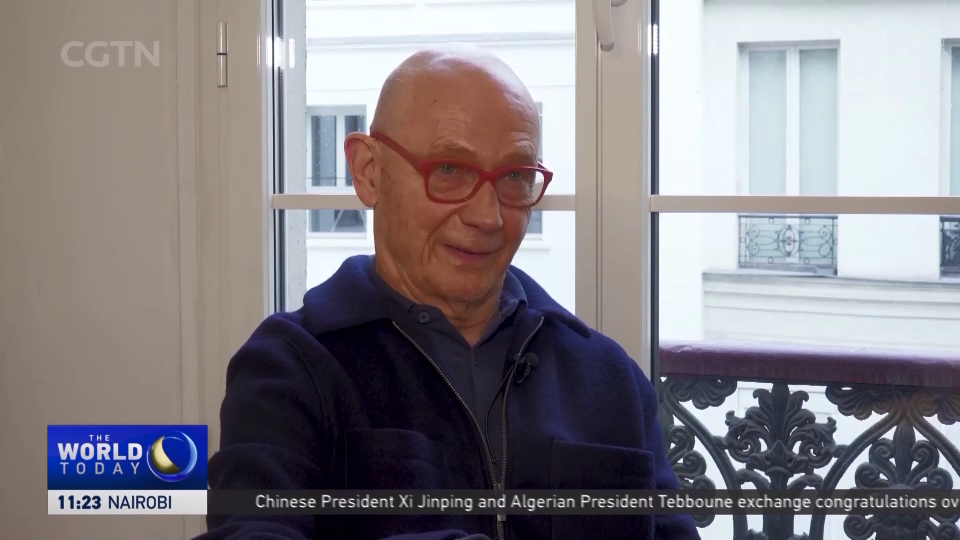
In recent discussions, former World Trade Organization chief Pascal Lamy has emphasized the resilience of the global trading system in the face of growing protectionist sentiments, particularly from the United States. Despite rising tensions, the global economy appears to be weathering the storm, thanks in large part to China's steady economic performance.
China's Remarkable GDP Growth
With a reported GDP exceeding 140 trillion yuan in 2025 and a growth rate of around five percent, China's economy continues to expand, albeit at a slower pace compared to its previous two-digit growth rates. Lamy points out that while five percent may seem modest, it is crucial to recognize that this growth occurs within a vastly larger economic framework than that of two decades ago.
Innovation as a Driving Force
Lamy further highlights China's innovative strides in sectors such as digital technology and green energy. He notes that the advances China has made in photovoltaic technologies and other green products can significantly benefit global markets by providing cost-effective solutions. This innovation presents an opportunity for countries like Italy, Germany, France, and Spain, which are transitioning toward electric vehicles, to engage in beneficial investments with Chinese firms.
A Call for Cooperative Engagement
As the global economic landscape remains fragile, the message is clear: cooperation with China could prove advantageous for various nations. Lamy urges countries to prioritize collaboration over confrontation, suggesting that maintaining economic partnerships while addressing differences through a multilateral framework may be the most practical approach to sustaining global trade stability.
In conclusion, while global trade faces challenges, China's consistent growth and willingness to innovate present a promising horizon for economies worldwide. As nations navigate the complexities of trade, focusing on collaboration rather than protectionism could pave the way for mutual prosperity.

