China's Bold Move: Doubling Renewable Energy by 2035!
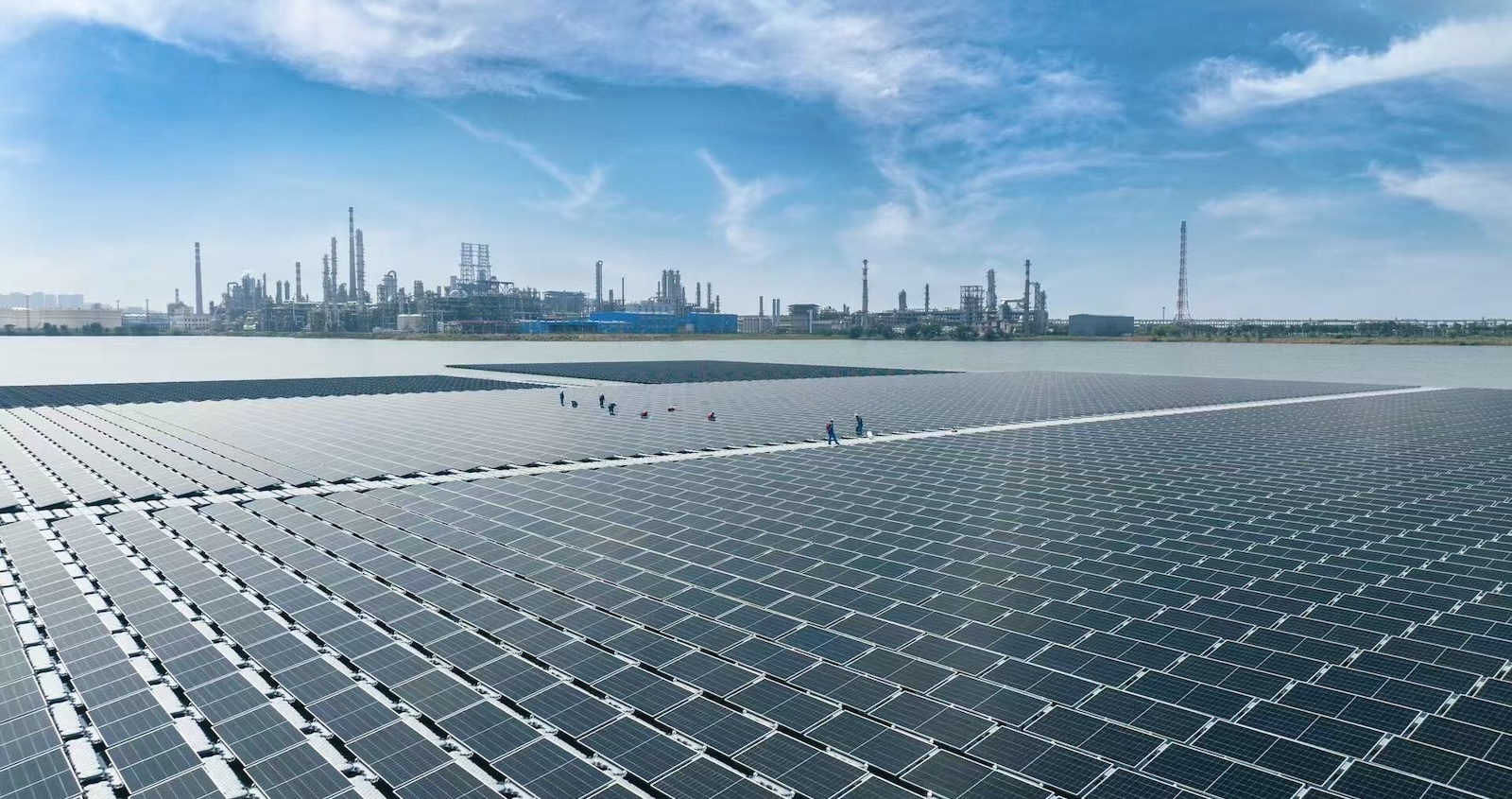
In a landmark announcement on April 17, 2026, Wang Changlin, vice chairman of China’s National Development and Reform Commission, outlined a visionary plan to double the country's supply of non-fossil fuel energy by 2035. This ambitious initiative is a significant step towards fulfilling China’s climate objectives as detailed in its recent five-year plan.
Progressive Goals and Past Achievements
While some critics argue that the new plan lacks sufficient ambition, Chinese authorities have historically demonstrated a remarkable track record of meeting and exceeding targets set in prior five-year plans. Wang confidently stated that China aims to "significantly increase" its non-fossil energy supply by 2030, which will lay the groundwork for the eventual doubling by 2035 compared to 2025 levels.
Innovative Projects Paving the Way
Wang highlighted transformative clean energy projects, including a major hydropower initiative in Tibet and the development of desert-based renewable energy hubs. These projects are expected to enhance the scale and efficiency of clean energy production across the nation. Remarkably, the announcement also included plans for a groundbreaking 50 MW concentrated solar installation in Tibet, designed to be the highest such facility in the world at an elevation of 14,900 feet.
Aiming Higher Than Before
The targets set forth in this new action plan suggest that China may be aiming for more than originally anticipated—potentially surpassing previous goals of non-fossil energy comprising 25% of total consumption by 2025 and 30% by 2035. Analysts suggest that if energy demand grows at a conservative rate of 2.5% annually, this goal could lead to a significant 29% share of non-fossil energy by 2029, indicating a more aggressive approach than past commitments.
Global Impact and Renewable Leadership
This initiative signifies a major shift not only for China—recognized as the world’s largest emitter of greenhouse gases—but also for global efforts to combat climate change. President Xi Jinping's previous pledge to reduce greenhouse gas emissions and expand renewable energy sixfold hints at a newfound dedication to environmental responsibility. As the leading exporter of solar and wind technologies globally, China's transition represents not just a domestic change but a potentially transformative influence on international climate efforts.
As the world watches how these ambitious plans unfold, many remain hopeful that China's effort to balance economic growth with sustainable energy practices will inspire other nations to follow suit in the race towards a greener future.

