Celebrating the Legacy of Chapal Bhaduri: A Trailblazer in Indian Theatre
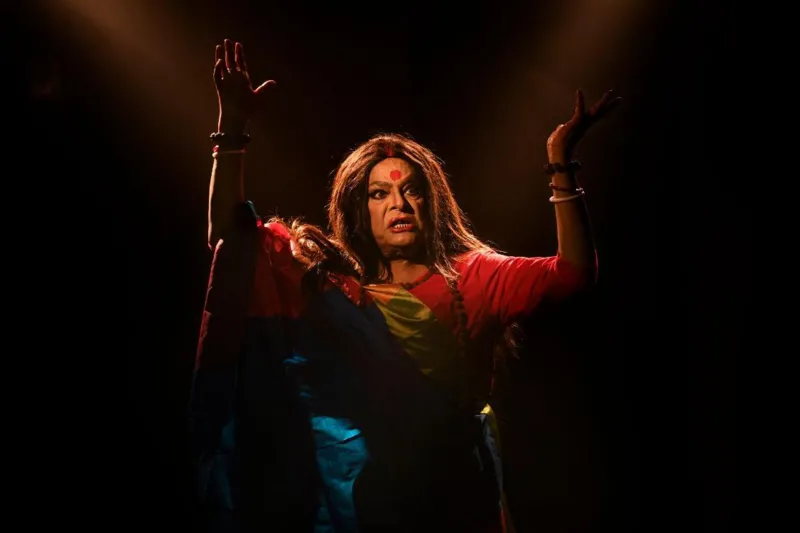
Chapal Bhaduri, a remarkable figure in the world of jatra, has captivated audiences for decades, showcasing the transformative power of performance and the fluidity of gender expression. His life and career, as chronicled in the new book "Chapal Rani: The Last Queen of Bengal" by Sandip Roy, reveal not only the triumphs but also the complexities of navigating an evolving theatrical landscape.
The Rise of a Star
Bhaduri's journey began in Kolkata, where, influenced by his mother—a stage actress—he embarked on his own path at the tender age of 16. His ability to portray female characters with sincerity and depth made him a standout performer in a genre that traditionally involved male actors in female roles. Bhaduri embraced his femininity on stage, delivering performances that were immersive and heartfelt, resonating deeply with audiences who craved authenticity.
A Cultural Shift
As societal norms began to shift and women started to enter the performing arts more commonly, Bhaduri faced challenges. The once-celebrated “moustachioed queens of jatra,” including himself, found their art form threatened by the changing preferences of audiences. Despite these difficulties, Bhaduri managed to navigate this complex terrain, leaving an indelible mark on the jatra tradition.
A New Recognition
In recent years, Bhaduri has begun to receive recognition from younger generations who appreciate the richness of his contributions to theatre. Documentary works about his life have helped to position him as a queer elder and a crucial part of India's LGBTQ+ history, symbolizing resilience in a world that often marginalizes differences. This resurgence of interest underscores the ongoing conversations about gender and identity that continue to evolve today.
Reflecting on Legacy
Bhaduri’s story is not merely one of fame and downfall, but rather a profound commentary on the nature of performance, memory, and acceptance. The questions raised by Roy about who is remembered in cultural history resonate deeply as we consider the lives of many artists who have worked outside the mainstream. Celebrating Bhaduri's legacy is essential not only for acknowledging his contributions but also for understanding the broader spectrum of gender representation in performance.
As we delve into the layers of his life, we recognize that Chapal Bhaduri is more than a performer; he is a symbol of the complex interplay between identity, art, and societal perceptions—a trailblazer whose influence continues to inspire and ignite discussions about representation and artistry in contemporary culture.

