Breakthrough Research Reveals Apes Share Imagination with Humans
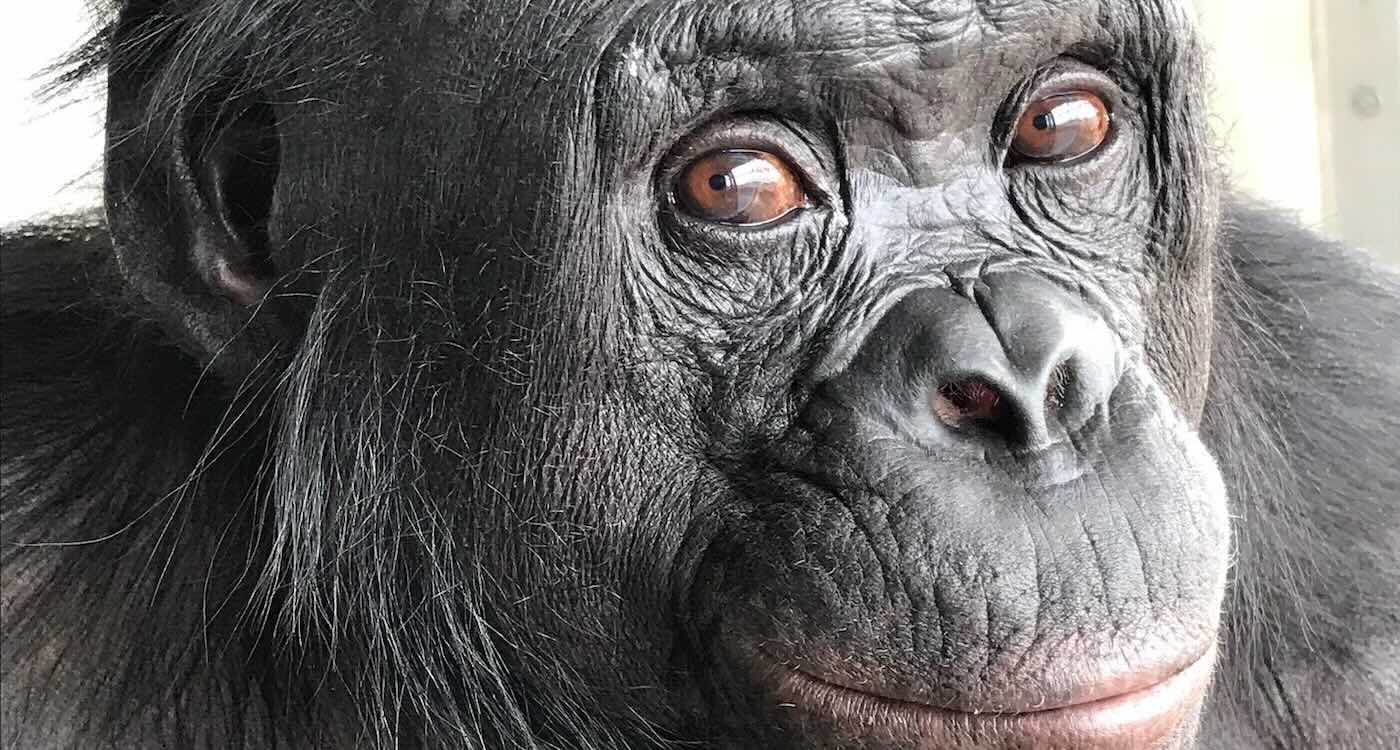
A transformative study conducted by scientists at Johns Hopkins University has unveiled that apes possess the remarkable ability to imagine and pretend, challenging long-standing beliefs about animal cognition. This groundbreaking research highlights a cognitive skill previously thought to be unique to humans, suggesting a closer connection between our species and our primate relatives.
Unveiling the Pretend Worlds of Apes
The research team carried out a series of tea party experiments with Kanzi, a 43-year-old bonobo, showcasing his ability to engage in pretense. For instance, Kanzi successfully identified the locations of imaginary juice and grapes during the experiments, demonstrating an understanding of pretend objects that could redefine our perceptions of ape intelligence.
A New Perspective on Animal Cognition
As study co-author Dr. Christopher Krupenye stated, “Imagination has long been seen as a critical element of what it is to be human, but the idea that it may not be exclusive to our species is really transformative.” This insight compels us to reconsider our definitions of human specialness and invites us to acknowledge the rich cognitive lives of other species.
The Ongoing Quest for Understanding
Excitingly, this research opens the door for further exploration into other animals' imaginative capacities. The researchers aim to investigate whether different apes and other animals can engage in similar pretend play, potentially unveiling a deeper understanding of animal minds. Dr. Krupenye emphasizes the importance of caring for these creatures, urging society to recognize their complex inner lives and ensure their conservation.

