Bangladesh's Historic Election: A New Dawn for Democracy
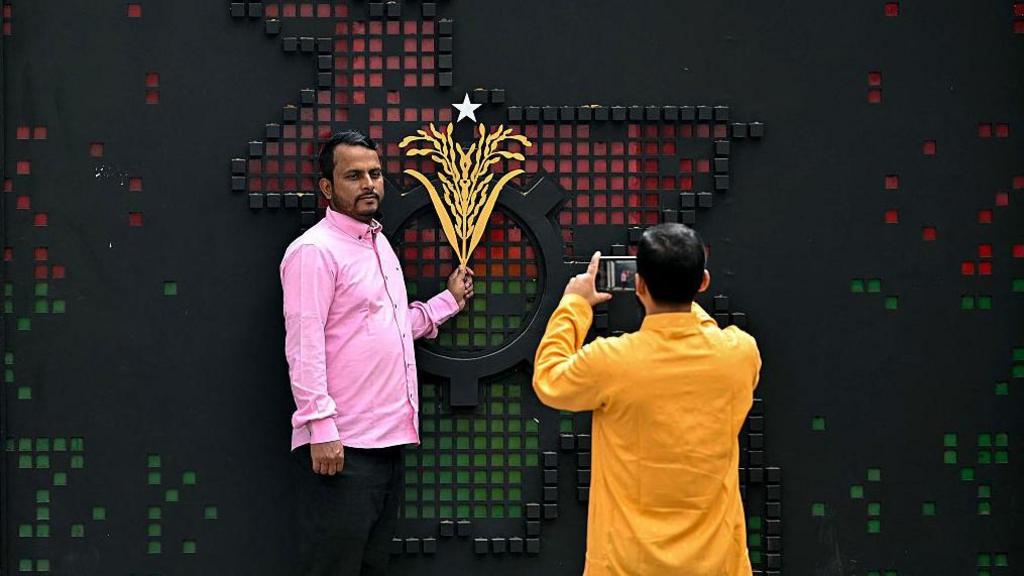
The recent parliamentary election in Bangladesh marks a pivotal moment in the nation's political landscape, showcasing the power of democracy and the voice of the people. The Bangladesh Nationalist Party (BNP) has secured a remarkable victory, claiming more than two-thirds of the seats in parliament—an unexpected and bold shift after years of political turmoil and unrest.
A Return to Leadership
Tarique Rahman, the newly elected leader of the BNP, has emerged from a 17-year self-imposed exile to take the helm of the government. His return to Bangladesh symbolizes hope and renewal for many citizens, particularly in the wake of the recent upheaval that saw Prime Minister Sheikh Hasina deposed amid protests. Rahman's leadership offers a chance for stability and reform in a country that has faced significant challenges.
Voter Enthusiasm and Constitutional Reforms
The referendum accompanying the election showcased voters' enthusiasm for change, with a clear endorsement of sweeping constitutional reforms. Unlike previous referendums that legitimized military or authoritarian rule, this vote centers on modernizing governance and restoring democratic principles. This democratic engagement reflects a collective desire for a transparent, inclusive, and accountable political process—signaling a potential new era for Bangladesh.
International Recognition and Future Prospects
Congratulations have poured in from international leaders, including Indian Prime Minister Narendra Modi, who reaffirmed India's commitment to Bangladesh's progress. This endorsement from a neighboring country is crucial in restoring diplomatic relations that have been strained in recent years. Furthermore, the garments industry, a cornerstone of Bangladesh's economy, is optimistic that this new government will address issues of stability and investment, thereby revitalizing an essential economic sector.
Looking Ahead
The BNP's ambitious manifesto aims to transform Bangladesh into a $1 trillion economy by 2034, focusing on attracting foreign investment and empowering small businesses. Additionally, proposed reforms in agriculture and a dedication to combatting corruption outline a forward-thinking vision that resonates with many citizens seeking concrete improvements in their daily lives. The emphasis on inclusivity and community welfare through proposed "Family Cards" for poorer families exemplifies a commitment to uplifting society as a whole.
As Bangladesh embarks on this new political journey, the hope among its citizens is palpable. The successful execution of promised reforms and the establishment of a stable government could serve as a foundation for lasting peace, prosperity, and progress, reinforcing the significance of civic engagement in shaping the nation's future.

