Australia's One Nation Party Makes History with First Lower-House Victory
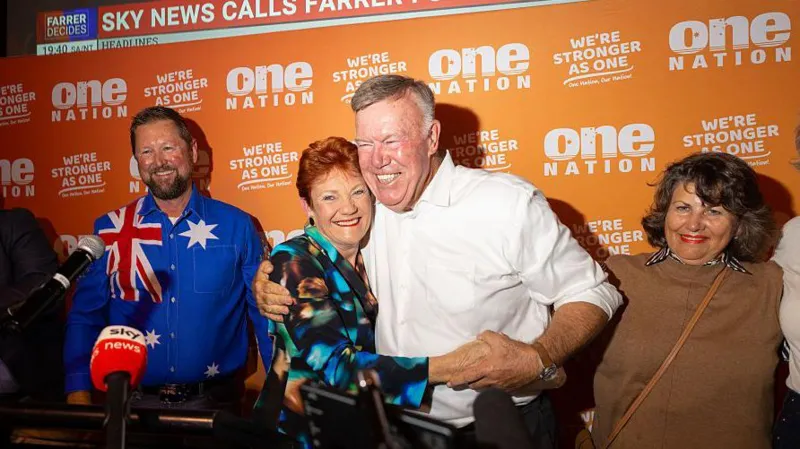
The political landscape in Australia took a significant turn as the One Nation party secured its first-ever lower-house seat in the Farrer constituency, marking a pivotal moment for the right-wing populist party. David Farley, representing One Nation, achieved an impressive 57% of the two-candidate preferred vote in a contest triggered by the resignation of former Liberal leader Sussan Ley.
A Shift in Voter Sentiment
This victory is emblematic of a growing trend as Australian voters increasingly turn away from traditional political parties. One Nation's success in Farrer follows a solid performance in the recent South Australian state election, where the party garnered the second-highest number of votes of any party. Pauline Hanson, the party leader, framed the win as not just a local victory, but a significant moment for Australian democracy itself.
David Farley's Vision for Change
Farley, whose background is in agribusiness, expressed a sense of momentum for his party, stating, "One Nation has reached the end of its beginning, we're going through the ceiling." He likened their progress to artisans re-shaping the very letters of Australian democracy. This metaphor hints at a desire for profound change, as Farley rallies supporters to focus on what he describes as a loss of faith in the major political parties, which he argues often fail to deliver on their promises.
The Implications of One Nation's Rise
Despite the Labor government's prevailing majority, One Nation's breakthrough in Farrer is a clear indicator of shifting voter preferences that could reshape future elections. As the Liberal-National coalition grapples with internal challenges and public discontent, Farley's victory in such a historically conservative seat signals that Australian voters are looking for alternatives that resonate more closely with their expectations and experiences.
This moment in Australian politics serves as a reminder of the ever-evolving nature of democracy, where new voices can emerge and impact the status quo. Whether One Nation will sustain this momentum and challenge other established seats remains to be seen, but this victory undeniably sets a new precedent in the political narrative of Australia.

