Australia's Beloved Green and Golden Bell Frog Makes a Joyful Comeback!
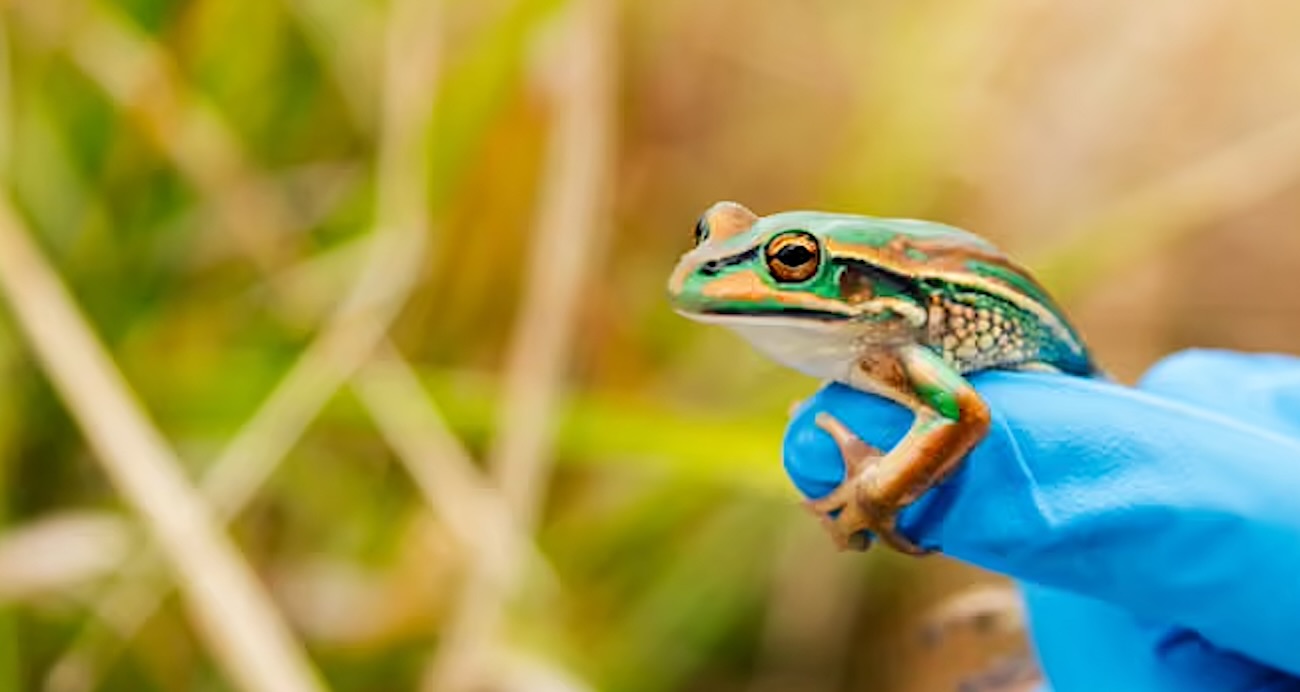
In a heartening conservation effort, the green and golden bell frog, once thought to be extinct in the Australian Capital Territory (ACT), is being reintroduced to its natural habitat in wetlands around Canberra. This initiative follows a significant population collapse attributed to the devastating chytrid fungus, which has plagued amphibians worldwide.
Innovative Solutions for Resilience
Scientists and conservationists at the University of Canberra have taken a proactive approach to combat this crisis by breeding these vibrant amphibians in captivity. Recently, 300 of these frogs have been immunized against the deadly chytrid disease and are set to be released in groups of 15 into specially selected ponds and wetlands. This careful planning aims to restore the species to its former glory.
Creating Safe Havens
To further enhance the frogs' chances of survival, "frog saunas" have been constructed in the release areas. These unique habitats consist of piles of black bricks topped with rigid plastic sheets, designed to provide sheltered environments that reach temperatures lethal to the chytrid fungus. This innovative strategy is crucial, as the pathogen struggles to thrive in warmer conditions, offering a glimmer of hope for the frogs' long-term survival.
A Bright Future Ahead
In addition to their increased population due to a prolific breeding potential (each female can produce up to 8,000 eggs in a mating season), the frogs' relocation to warm, saline waters known as "frog spas" is expected to bolster their numbers even further. Conservationists aim to establish a healthy population of over 200 frogs in each of the 15 designated ponds.
As these amphibians take their first steps back into the wild, it serves as a poignant reminder of the delicate balance of our ecosystems and the tireless efforts needed to preserve them. Successful projects like this not only protect the green and golden bell frog but also inspire hope for numerous other species facing similar challenges. The future looks bright for these resilient creatures as they reclaim their rightful place in Australia's wetlands.

