Amazing Discoveries: How Elephant Whiskers Could Transform Robotics
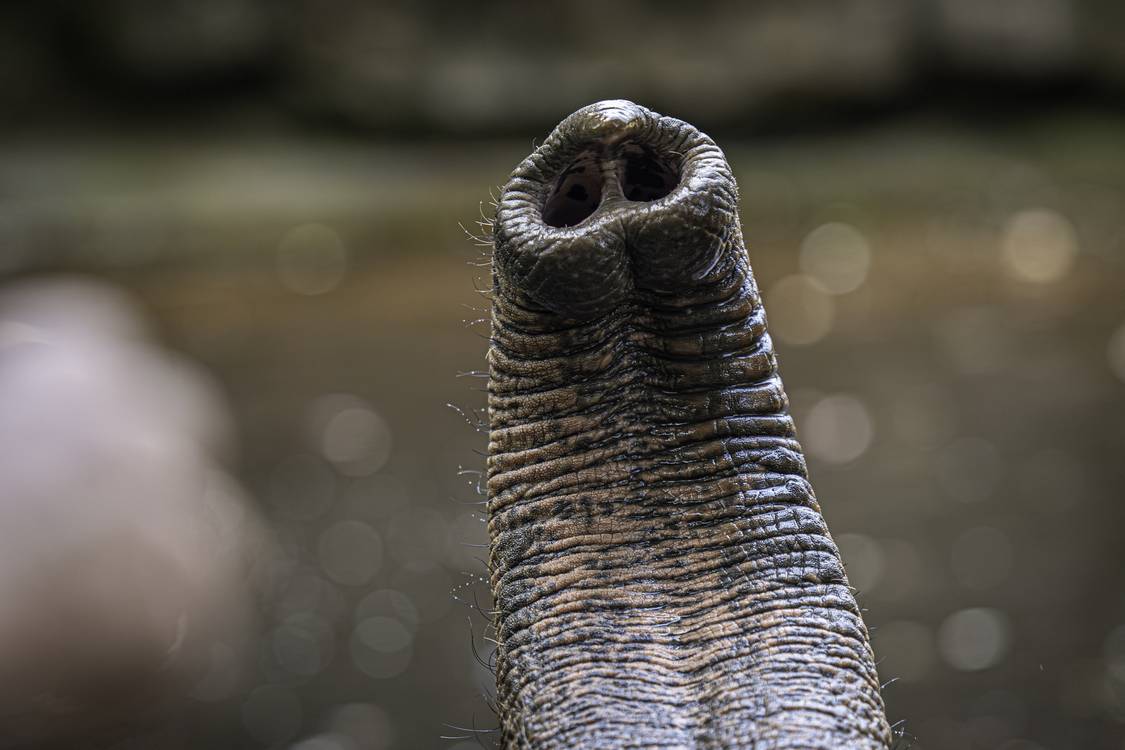
Recent research has uncovered remarkable insights into the functionality of elephant trunk whiskers, demonstrating their astonishing capabilities of touch. Scientists have revealed that the 1,000 hairs adorning an elephant's trunk possess a unique stiffness gradient, enabling these majestic animals to perform delicate actions, such as picking up small objects like peanuts.
The Unique Structure of Elephant Whiskers
The German research team led by Dr. Andrew Schulz delved into the structural properties of elephant whiskers, highlighting their stiff bases that transition into soft, rubber-like tips. This design differs significantly from the uniformly stiff whiskers of rodents and supports a heightened sensitivity to touch. The ability to detect the precise point of contact along each whisker ultimately allows elephants to execute complex tasks with remarkable dexterity.
Implications for Robotics
The findings do not solely enhance our understanding of animal biology; they open new avenues for technological advancement. Inspired by the natural designs observed in elephant and cat whiskers, researchers are exploring the development of innovative robotic sensing technologies. These bio-inspired sensors could integrate a similar stiffness gradient to provide robots with enhanced tactile feedback, enabling them to navigate and interact with their environment more safely and efficiently.
Building a Prototype
To further their research, Dr. Schulz and his team ventured into practical applications by 3D printing a prototype whisker with similar properties to an elephant's. This physical model facilitated hands-on experience, allowing researchers to intuitively understand how touch sensitivity varies along the whisker length. Experiences shared by Professor Katherine Kuchenbecker highlighted the tangible differences in sensations felt while using the prototype, underscoring the potential for developing intuitive robotic systems.
Nature Inspiring Innovation
The excitement surrounding these findings emphasizes a broader theme of nature's role in inspiring technological innovation. As Dr. Schulz remarks, "Bio-inspired sensors that have an artificial elephant-like stiffness gradient could give precise information with little computational cost." The research serves as a testament to the potential benefits of embracing natural designs in engineering and robotics, thus bridging the gap between biology and technology.

