
After 50 Years, Discovery of Tiny Wallaby Offers Hope for Conservation
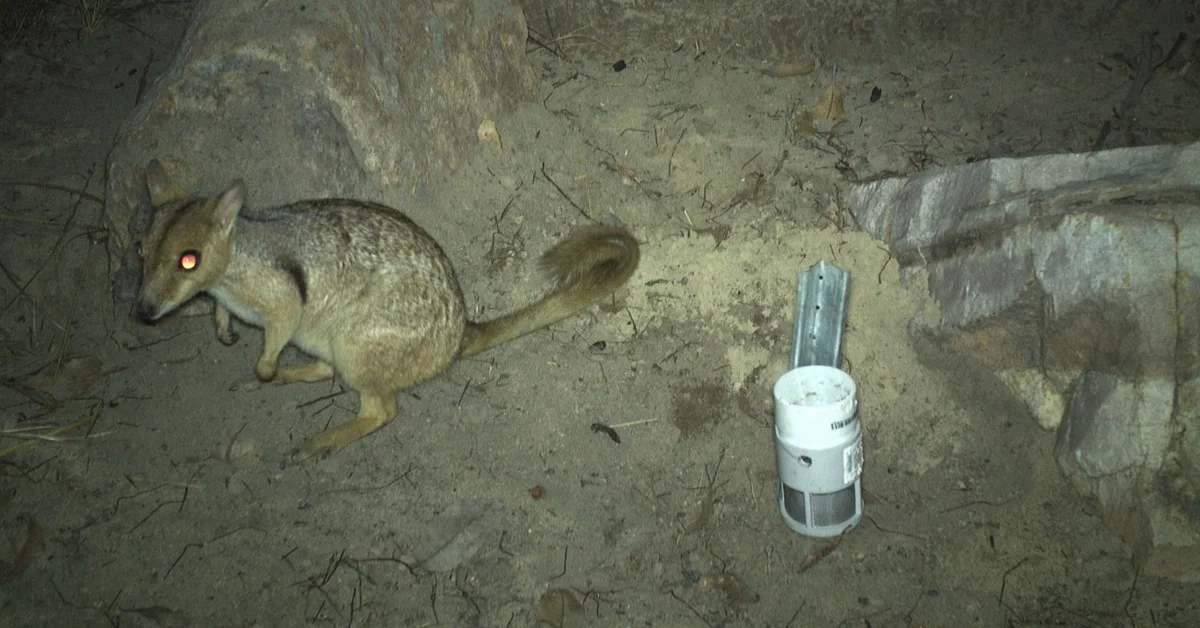
Excitement is in the air for researchers at the Australian Wildlife Conservancy (AWC) following a significant breakthrough: confirmed sightings of the Nabarlek wallaby, a species that had not been seen for half a century. This small wallaby, known as Australia’s second smallest, has been confirmed in two different locations within Western Australia's Kimberley region, marking a hopeful moment for conservation efforts.
A Historic Finding
New trail camera footage has provided undeniable evidence of the Nabarlek's existence in the Yampi Sound Training Area on Dambeemangaddee Country. This discovery is pivotal, as it adds to the knowledge of the Nabarlek's ecological presence where it was previously unrecorded. “This is very exciting and great news for the species,” commented Larissa Potter, AWC senior field ecologist. These findings represent the first confirmations of the species on mainland Dambeemangaddee Country in over five decades.
Collaboration for Conservation
The confirmation of these wallabies is not only a win for the AWC but also a testament to the collaborative efforts with the Dambimangari Aboriginal Corporation. Together, they utilized genetic analysis of scat samples and thorough examination of camera images to establish the unique characteristics of the Nabarlek. Inga Pedersen, a traditional owner from Dambeemangaddee, emphasized the importance of these discoveries, stating, “It shows their country is healthy.”
Looking Forward
With these new sightings, the AWC and DAC are committed to further surveying the area to identify additional Nabarlek populations and better understand the challenges they face. The ongoing efforts highlight a renewed vigor in wildlife conservation, demonstrating that even under tough circumstances — such as habitat threats from feral cats and wildfires — hope and persistence can lead to positive outcomes for endangered species.
As interest grows around this precarious but now slightly more secure species, the focus shifts to ensuring that the Nabarlek thrives not just in the wild but in the ecosystem as a whole. The story of the Nabarlek serves as a reminder of our shared responsibility to protect biodiversity and the natural world.




