A Unique Recovery Programme: Veterans Find Hope and Connection Through Horses
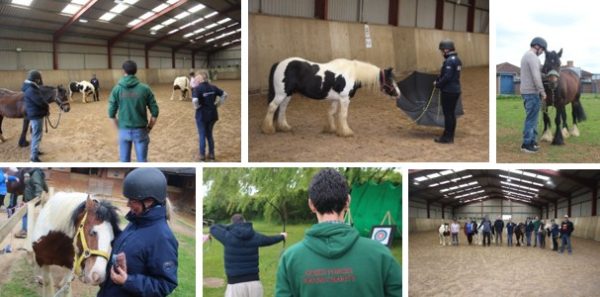
The Armed Forces Equine Charity (AFEC) has made significant strides in supporting veterans through their tailored Veterans Active Recovery Programme (VARP). Recently held at Shrivenham Equestrian Centre, this innovative three-day residential programme aims to empower veterans by instilling positive strategies for managing stress and adjusting to life after service.
A Holistic Approach to Wellbeing
The VARP offers participants a series of workshops focused on different themes of wellbeing, paired with Equine Assisted Services (EAS). These sessions are designed to foster a bond between the veterans and the horses, which has been proven to greatly enhance individual wellbeing. Practical tools such as breathwork, mindfulness-based archery, and photography for mindfulness are employed to help veterans reconnect with themselves and their surroundings, enabling them to integrate these techniques into their daily lives long after the programme concludes.
Continued Support for Veterans
The programme not only provides immediate wellbeing strategies but also introduces veterans to a range of partner charities that can offer ongoing support. Notable collaborators include the Invictus Games Foundation and the Defence Gardens Scheme, which allow veterans to explore various resources that facilitate their recovery journeys well beyond the confines of the programme.
Fostering Connections and Reducing Isolation
Participants reported that one of the most beneficial aspects of the VARP was the opportunity to connect with fellow veterans facing similar challenges. The informal setting fostered open conversations and mutual support, helping to rebuild their confidence and combat feelings of isolation. The unique interactions with horses combined with these connections play a crucial role in long-term recovery.
Personal Testimonies of Transformation
Feedback from participants has been overwhelmingly positive, with many expressing a restored sense of hope and control over their lives. Veterans shared their experiences of overcoming anxiety, feeling more relaxed, and appreciating the communal support they received throughout the programme. One participant remarked, “It’s given me hope and confidence to take more care of myself so I can be the best version of me.” Such testimonies underscore the profound impact this initiative has on the lives of veterans.
As programmes like VARP continue to evolve, the importance of fostering connections and providing ongoing support remains crucial in the journey of recovery for veterans. The success of this initiative paves the way for similar programmes that could further enhance the wellbeing and social reintegration of those who have served.

