A Remarkable Conservation Triumph: Iowa's Oxbow Lakes Thrive Again
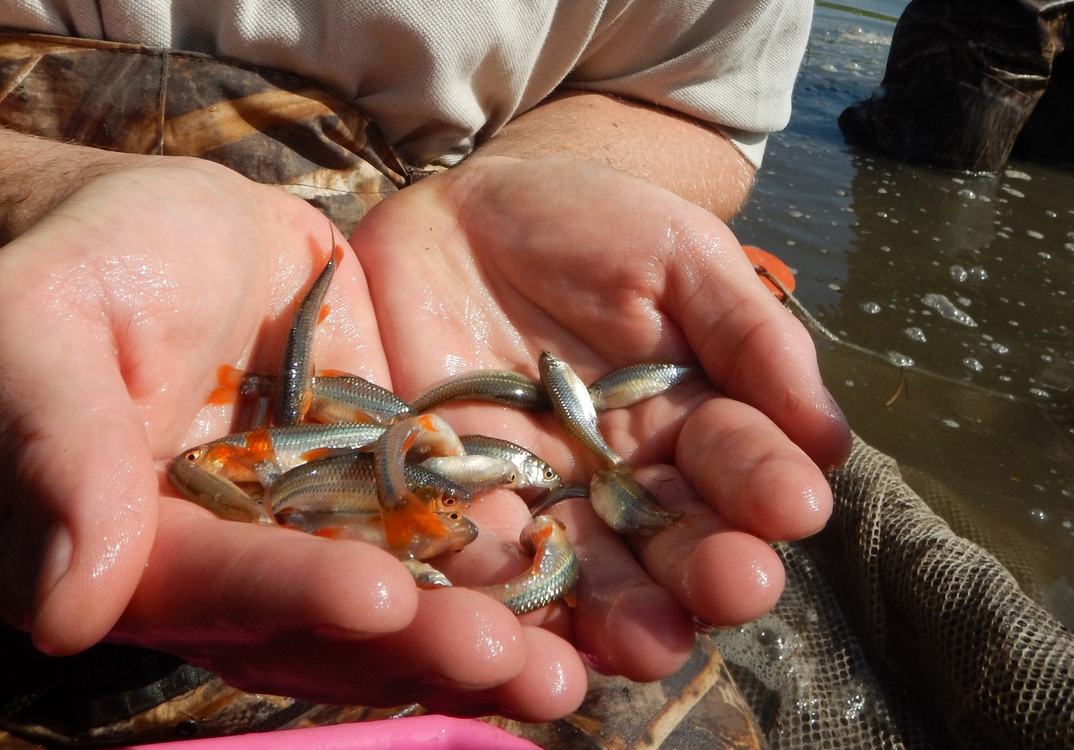
In a remarkable turn of events for environmental conservation, Iowa has witnessed the restoration of hundreds of ponds, spurred by the need to protect the federally-endangered Topeka shiner fish. This small minnow has not only served as a catalyst for revitalizing natural habitats but has also inadvertently addressed critical nutrient runoff issues across the state.
The Oxbow Lake Revival
Historically, Iowa was blanketed in wetlands, featuring picturesque oxbow lakes formed by the dynamic courses of rivers. However, agricultural expansion led to the disappearance of over 10,000 of these vital water bodies, causing the native Topeka shiner to vanish with them. The shiner's designation as an endangered species in 1998 prompted a collaborative conservation effort with the Nature Conservancy, focusing on the restoration of these vital ecosystems.
A Win-Win for Biodiversity
As efforts progressed, it became clear that the restored oxbow lakes were benefiting much more than just the Topeka shiner. With various species reestablishing themselves in these revitalized habitats, Iowa now hosts a vibrant community of 57 fish species and 81 bird species within these wetlands. This surge also fosters populations of mussels, turtles, and even river otters, showcasing the ecological richness that can flourish when natural habitats are restored.
Financial and Community Support
The financial commitment required to restore these wetlands has been substantial, amounting to tens of thousands of dollars for each site. However, the combination of private investments and government grants has incentivized landowners to join the initiative, ensuring a sustainable balance of environmental stewardship without imposing undue burden on local communities.
Looking Ahead: Success on the Horizon
With the Topeka shiner now documented in 60% of the more than 200 restored oxbow lakes, a 2021 review recommended moving the species from “endangered” to “threatened” status. This potential shift signifies not only a key victory for conservation efforts but also highlights the effectiveness of the Endangered Species List in protecting vulnerable wildlife.
The ongoing success of these projects underlines the importance of continued support and commitment to environmental restoration, ensuring that future generations inherit a landscape rich in biodiversity and natural beauty.

