A New Era in Nuclear Regulation: Streamlining Safety and Leadership
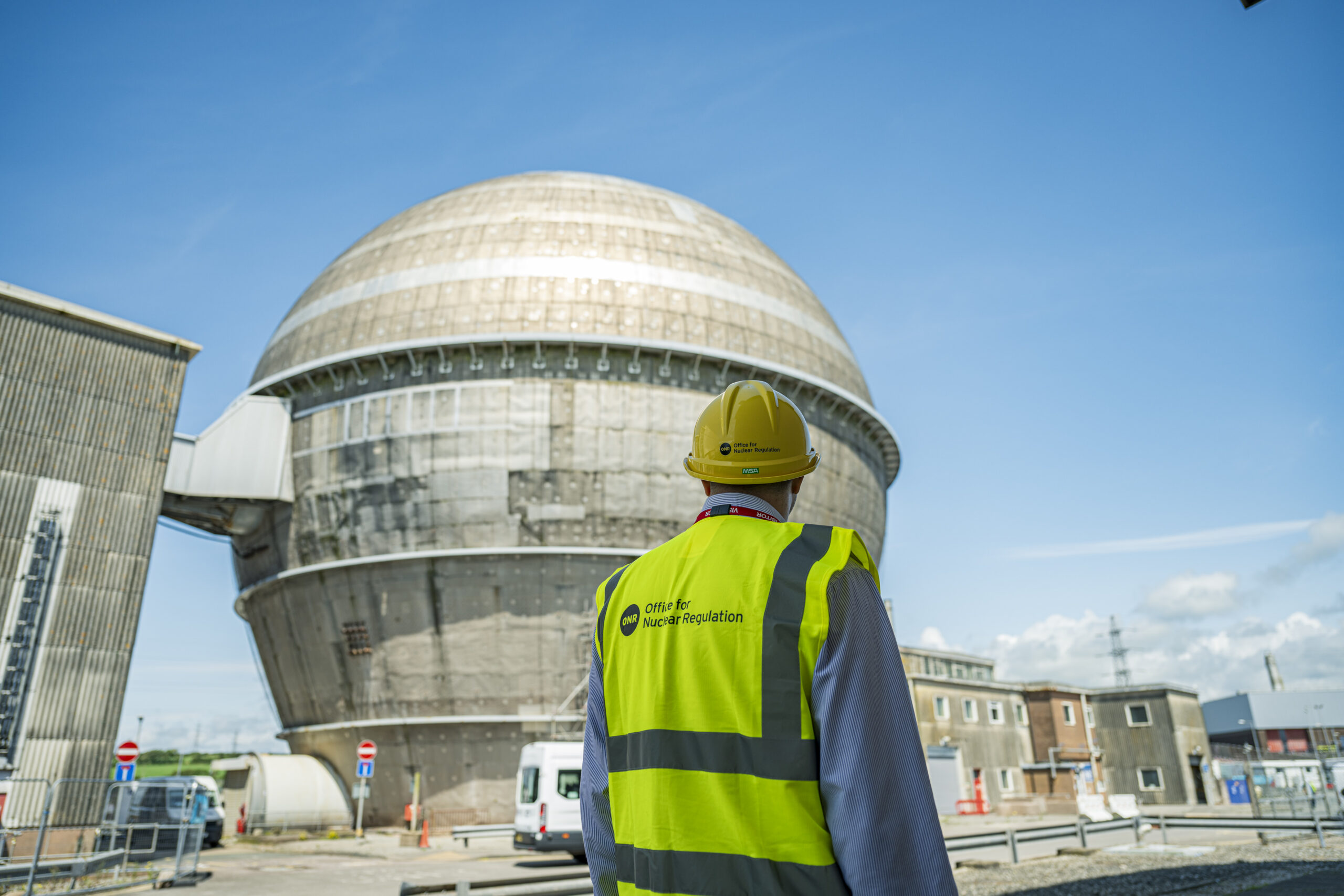
The recent government endorsement of the Taskforce report has paved the way for a more streamlined approach to nuclear project regulation in the UK. The Office for Nuclear Regulation (ONR) is taking significant steps towards establishing a lead regulator model that is set to revolutionize how the nuclear industry is governed, promoting efficiency and safety.
Transforming Regulatory Frameworks
Under the new model, ONR will collaborate closely with the Environment Agency and the Defence Nuclear Safety Regulator among others, ensuring that large-scale nuclear projects are managed with a focused leadership approach. The model aims to diminish regulatory complexity, akin to the successful collaborative practices seen in the Sellafield G6 group, where collective efforts enhanced safety and hazard reduction.
A Vision for the Future
The implementation of the lead regulator model is just a precursor to establishing the UK's first Nuclear Commission, aimed at centralizing regulatory decision-making. This ambitious initiative is designed to be fully operational by summer 2028, signaling a landmark shift in how nuclear oversight will be approached in the coming years.
Commitment to Safety and Simplicity
In line with the recommendations outlined in the Taskforce report, ONR is also redefining the process of safety case development. Their objective is to eliminate duplication and create more practical, usable safety documents that support safe operations. The recent forum with senior executives from site operators has stirred a commitment to simplify safety case structures, thereby fostering a cultural shift within the sector.
Collaborative Efforts Yield Positive Results
As Mike Finnerty, ONR’s Chief Executive states, the rapid establishment of these regulatory frameworks demonstrates the power of collective action. With strong backing from industry leaders, ONR is poised to challenge outdated practices and return simplicity to the forefront of their operations, ultimately enhancing safety standards as they move forward.

