A Green Revolution in Rural Palestine: Hope through Olive Replanting
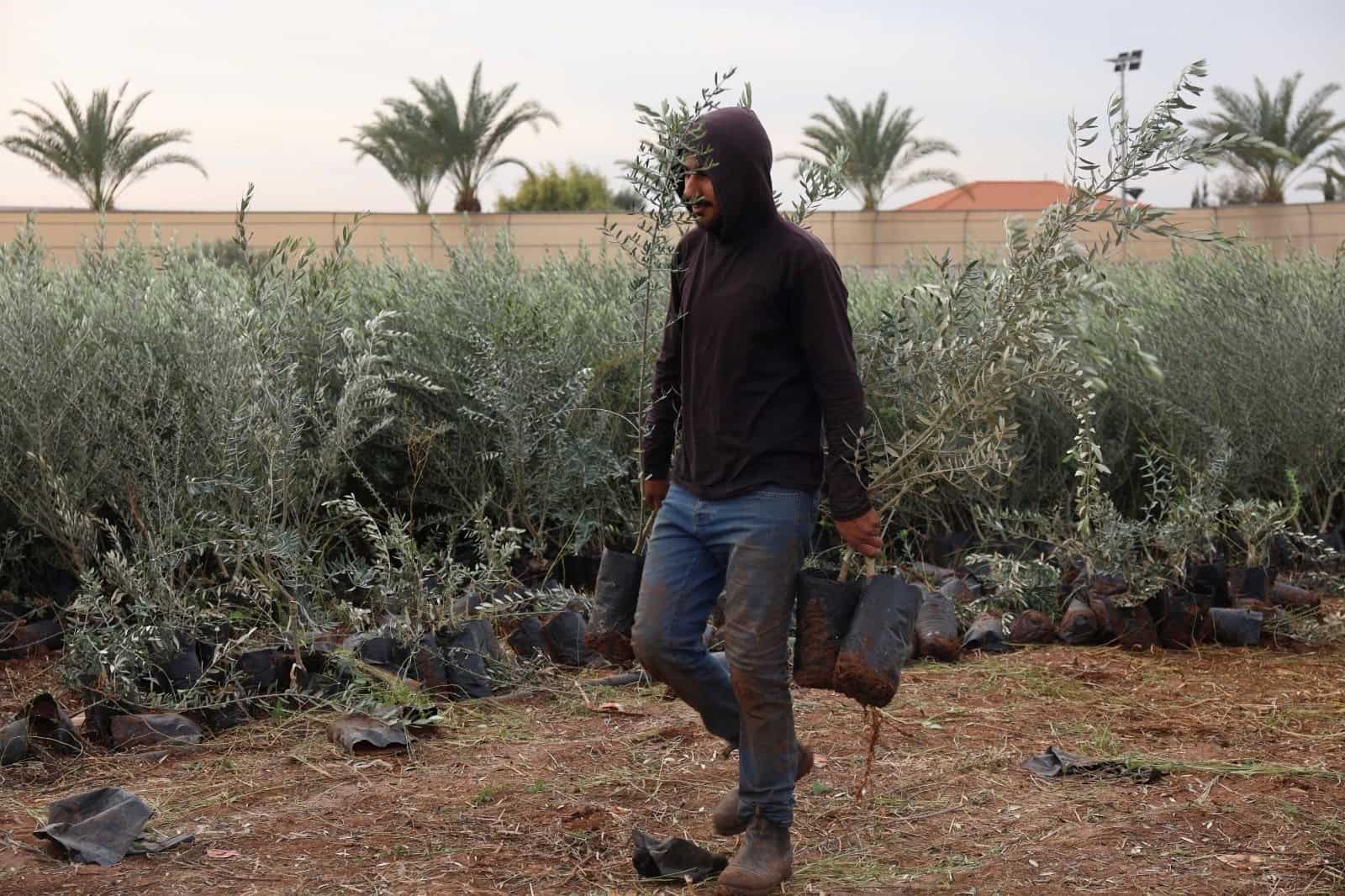
In a heartening development amidst ongoing challenges, rural Palestine is witnessing a burgeoning movement to replant olive trees, which are vital to both the livelihoods and identities of its farmers. This initiative not only symbolizes resilience but also instills a renewed sense of hope in communities scarred by decades of conflict.
A Symbol of Resistance
The olive tree, a staple of Palestinian culture and agriculture for millennia, faces significant threats due to ongoing land seizures and tree uprooting. The UK-based fair trade company, Zaytoun, is at the forefront of this replanting effort, having sponsored over 300,000 olive saplings since 2011. With donations exceeding £190,000 for the upcoming planting season, the movement anticipates planting 40,000 new saplings, revitalizing the landscape of the West Bank.
Preserving Heritage and Culture
The Palestine Fair Trade Association (PFTA) has been instrumental in supporting farmers through its 'Trees for Life' program, which aims to replace lost olive, carob, fig, and almond groves. This initiative reflects a broader commitment to not just restore agricultural productivity but also to uphold the cultural and historical significance of farming in Palestinian society. As a PFTA spokesperson stated, agriculture goes beyond mere sustenance; it embodies the spiritual and cultural identity of those who cultivate the land.
Planting for Future Generations
Farmers involved in this movement describe the act of planting as an infusion of hope, akin to welcoming a new family member into their lives. “You can see the happiness in their eyes,” shared Taysir Arbasim, the Palestinian director of Zaytoun. With each sapling planted, there is an acknowledgment of the future generation and a commitment to sustainable agricultural practices. In a region where the olive tree represents both culture and resistance, each newly planted tree serves as a symbol of defiance against ongoing challenges.
This replanting initiative highlights a collective aspiration for a peaceful and sustainable future, reinforcing the idea that even in the face of adversity, communities can come together to forge paths of hope and resilience.

