A Breakthrough in Mental Health: Tetris Shows Promise in PTSD Treatment
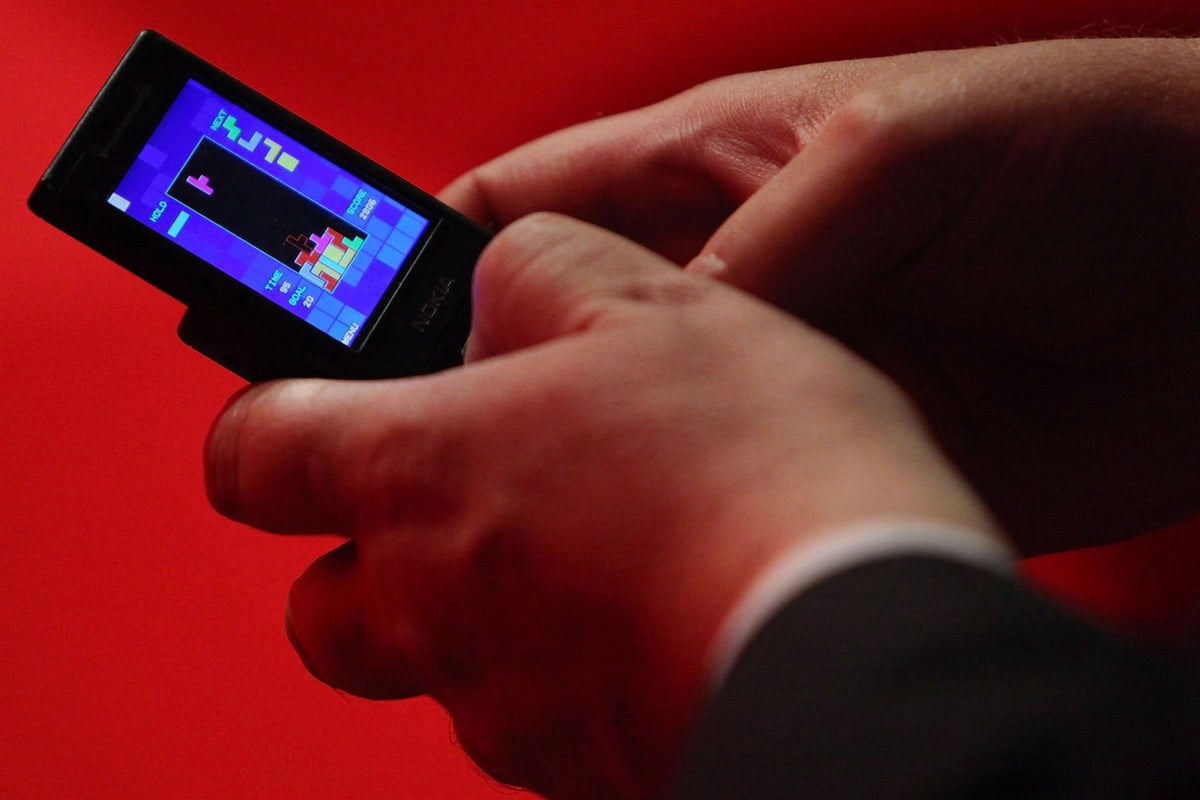
Recent research has unveiled an innovative approach to addressing the ravaging effects of post-traumatic stress disorder (PTSD) through the classic video game Tetris. A collaborative study conducted by researchers in the UK and Sweden has demonstrated that engaging with Tetris as part of a therapeutic intervention can significantly reduce distressing flashbacks associated with trauma.
The Innovative Approach
The study focused on 99 National Health Service (NHS) staff members who had encountered traumatic events during the Covid-19 pandemic. It involved a novel treatment called the imagery competing task intervention (ICTI), where participants played a slow-paced version of Tetris while briefly recalling a traumatic memory. This technique aims to occupy the brain’s visuospatial processing areas, effectively lessening the vividness of intrusive memories.
Encouraging Results
The findings are promising; participants who engaged with Tetris reported experiencing 10 times fewer flashbacks compared to those who received standard treatment, such as listening to Mozart’s music. Remarkably, about 70% of those who participated in the Tetris intervention reported having no intrusive memories at all within six months.
A Broader Application for Mental Wellbeing
Professor Emily Holmes, who led the study, emphasized the significance of this intervention, noting its potential to be a gentle yet effective tool for individuals seeking relief from traumatic memories. As healthcare professionals continue to face overwhelming challenges, the availability of such a scalable and accessible intervention could vastly improve their wellbeing.
Looking Ahead
With plans to expand the testing of ICTI to larger and more diverse groups, experts are hopeful about its widespread applicability. Tayla McCloud from Wellcome remarked on the accessible nature of the treatment, pointing out that its simplicity could lead to a substantial positive impact on mental health interventions globally.
This breakthrough illustrates how combining technology with therapeutic practices offers new pathways to mental health support, providing hope to those affected by trauma and reinforcing the critical need for innovative treatment options in the realm of psychological health.

