
Unveiling the Hidden Needs: A Novel Taxonomy for Supporting Alzheimer Caregivers
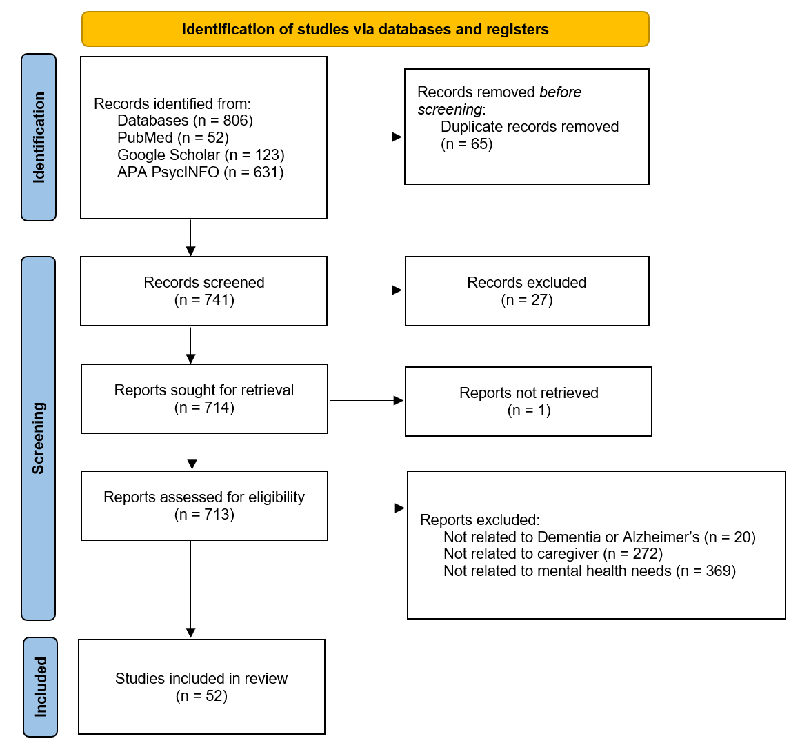
The caregivers of individuals suffering from Alzheimer’s disease and related dementias face a tremendous but often overlooked burden. Research conducted by Keran Wang and a team from the University of Illinois and other institutions sheds light on the multifaceted mental health challenges these caregivers experience and introduces a revolutionary framework for addressing them.
The Invisible Second Patients
In the United States alone, over 11 million family and friends are providing unpaid care to Alzheimer's patients, contributing an astonishing 18 billion hours of care valued at approximately $346.6 billion in 2023. However, the toll on these caregivers is significant; they often navigate physical and mental health challenges that have led researchers to dub them “invisible second patients.” This research aims to understand their unique needs, which are usually oversimplified as 'caregiver burden.'
A New Taxonomy
The study introduces the “Caregiver Mental Health and Technology Taxonomy,” which categorizes the distinct needs of caregivers into eight specific domains, including enduring disruptive behaviors of the care recipient, navigating support systems, building self-efficacy, and managing relationships. This new taxonomy aims to bridge the gap between the complex psychosocial challenges faced by caregivers and the technology developed to support them.
Gaps in Technological Support
Despite the rise of digital tools, including smartphone applications, AI chatbots, and video conferencing solutions, the study reveals that many existing technologies do not adequately align with caregivers' emotional and relational needs. Most tools are designed for specific tasks and fail to integrate essential support features, such as emotional wellness and community connection. For example, while monitoring devices may enhance safety, they do not typically foster caregiver skills or provide emotional support needed during stressful times.
Empowering Caregivers with Enhanced Technology
The research emphasizes that caregiver technologies should not only focus on task management but must also enhance emotional resilience and relational well-being. Future designs should link technological interventions to peer support systems and foster connections among caregivers, promoting a sense of community and shared experience.
A Call for Action
This study serves as a roadmap for developing technologies that are not only functional but also inclusive and emotionally supportive. By recognizing and addressing the complex needs identified in the taxonomy, it's possible to create more effective systems that genuinely resonate with caregivers, bolstering their mental health while they provide care.
In conclusion, as the number of Alzheimer’s patients continues to rise, it is imperative that we adapt caregiver support technologies to meet their evolving needs, ensuring that the helpers receive the care and recognition they deserve.
Authors: Keran Wang, Drishti Goel, Jiayue Melissa Shi, Violeta J. Rodriguez, Daniel S. Brown, Dong Whi Yoo, Ravi Karkar, Koustuv Saha




