
Unlocking the Future of Automotive Safety: How AI Predicts Materials for Vehicle Parts
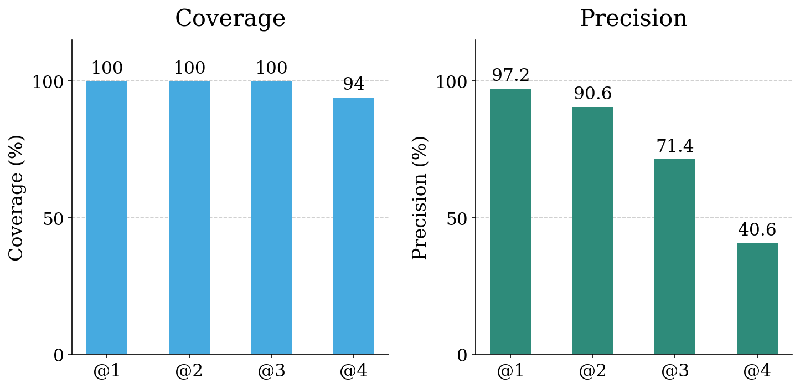
A groundbreaking research paper from the University of Stuttgart explores the potential of large language models (LLMs) in predicting the materials used in vehicle components, such as brake discs and fuel injectors. The study sets out to determine whether LLMs can deliver accurate material predictions and provide justifiable explanations without extensive fine-tuning, potentially revolutionizing how vehicle repairs are approached.
What Are Large Language Models (LLMs) and Retrieval-Augmented Generation (RAG)?
Large Language Models (LLMs) are sophisticated algorithms that analyze vast amounts of text data to generate human-like responses. In the context of this research, they offer insights into specific industries, like automotive repair. The study also delves into Retrieval-Augmented Generation (RAG), an innovative method that enhances LLM capabilities by retrieving relevant information from external data sources, thereby improving the accuracy of the generated outputs.
Focus of the Study: Predicting Plausible Material Candidates
The paper primarily investigates whether LLMs can reliably predict the materials for various vehicle components without needing extensive training. The authors conducted experiments using a standard LLM baseline, a one-pass RAG approach, and an iterative Chain-of-Verification (CoVe) method. They aimed to evaluate each method's ability to predict plausible materials as well as explain why those materials are suitable for specific vehicle components.
Key Findings: LLMs Outperform Previous Methods
The results were illuminating: an off-the-shelf LLM demonstrated superior performance in predicting materials for vehicle parts, outperforming earlier methodologies that relied on complex training processes. This suggests a promising future for using LLMs in the automotive field, where the reliability and safety of repairs are paramount.
The Importance of Explanations
Beyond just identifying materials, the study highlights the significance of providing explanations for predictions. Understanding why a certain material is preferred is crucial, especially in high-stakes environments like automotive repair, where safety is on the line. The research aims to establish protocols for ensuring that these explanations are not only accurate but also comprehensive and relatable to mechanics.
Challenges Ahead: Addressing Hallucinations and Data Quality
While the findings are optimistic, the study acknowledges the challenges that come with integrating LLMs into practical applications, particularly issues related to misinformation (or “hallucinations”) and the quality of retrieval data. As the authors point out, improving the quality of retrieved information is essential to ensuring the reliability of AI-assisted predictions in vehicle repair settings.
The Future of Vehicle Repair Assistance
This research represents a significant step towards efficient AI systems that can assist mechanics in various tasks, ultimately enhancing the safety and efficacy of vehicle repairs. By harnessing the power of LLMs and RAG, the potential for smarter, more informed automotive repair solutions is becoming a reality.
This exploration of LLMs not only deepens our understanding of AI's capability in specialized domains but also sets the stage for more advanced applications, indicating that the integration of AI into practical fields could soon change the landscape of industries reliant on precision and safety.




