
Unlocking Collaborative Potential: The Surprising Benefits of Clinical-Academic Partnerships in Research
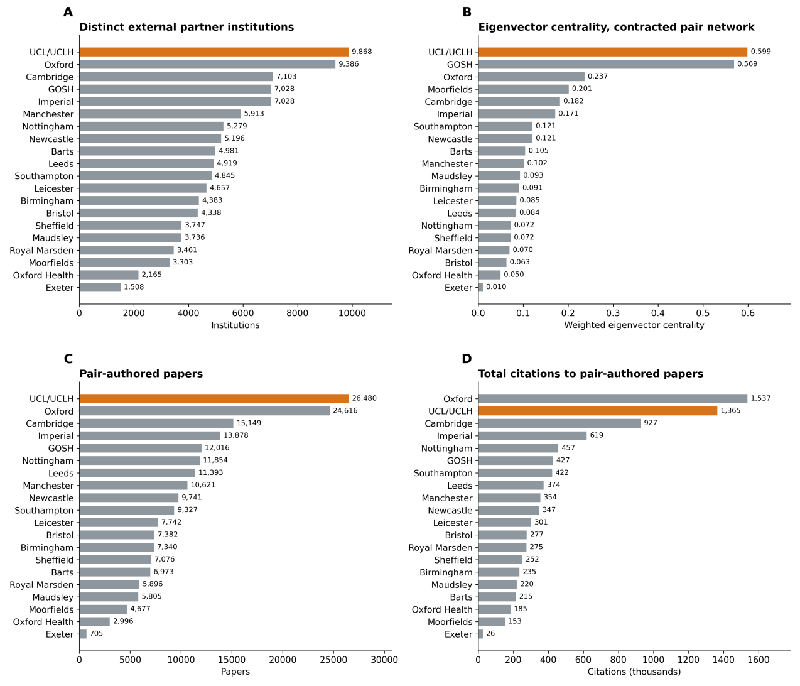
A recent study led by Mohamad Zeina and colleagues from UCL has shed light on the invaluable impact that clinical-academic collaborations have on research output. Despite the well-known benefits of such partnerships, quantifying their effects has remained a challenge—until now. The research, focusing on the NIHR Biomedical Research Centres (BRCs) in England, offers a unique framework for understanding how these collaborations enhance scientific productivity and visibility.
The Importance of Collaboration in Healthcare Research
Collaborative efforts between clinical practitioners and academic researchers are essential for translating scientific discoveries into real-world medical advancements. The study emphasizes that the relationship between hospitals and universities not only fosters innovation but also significantly improves published research quality. By utilizing bibliometric analysis of open data, the researchers aimed to create a clearer picture of how these partnerships operate and their specific contributions to healthcare outcomes.
A New Framework for Measuring Impact
The study introduces a novel method to assess the strength and influence of clinical-academic partnerships. By establishing a bibliometric identity for 20 English BRCs based on co-authorship data, the researchers could objectively characterize these networks. They utilized extensive databases such as OpenAlex and Altmetric to analyze the output and citation impact from 2007 to 2025, allowing them to measure the success of collaborative research efforts.
Key Findings: The Benefits of Academic Involvement
One of the standout findings from the study was the quantifiable advantage of having university involvement in research. For example, papers co-authored by hospital and university affiliates received 68% more citations than those authored solely by hospital staff. Furthermore, these collaborative papers were 2.1 times more likely to be cited by patents and had 2.3 times the chance of receiving media attention. Interestingly, this benefit was found to be most pronounced in partnerships with institutions that had less existing infrastructure, revealing a critical avenue for promoting research equity.
Implications for Future Research and Policy
The implications of these findings extend beyond academia. The study not only lays the groundwork for future research on collaborative science but also signals to policymakers the importance of fostering such partnerships, especially in underserved areas lacking essential infrastructure. By adopting a structured and data-driven approach, health authorities can make more informed decisions about where to allocate resources to maximize research output and ultimately improve patient care.
Conclusion: A Roadmap for Enhanced Collaboration
In conclusion, the research highlights the significance of quantifying collaborative research efforts in the medical field. By revealing the extensive benefits of clinical-academic partnerships, the study advocates for a tailored approach to building research networks. As the landscape of biomedical research continues to evolve, it's clear that fostering robust collaborations will be pivotal in addressing health inequalities and advancing scientific discovery.
Authors: {Mohamad Zeina, Nick McNally, Karl S. Peggs, Parashkev Nachev}




