
Unleashing Resilience in Cyber-Physical Systems: A New Framework to Combat Active Cyberattacks!
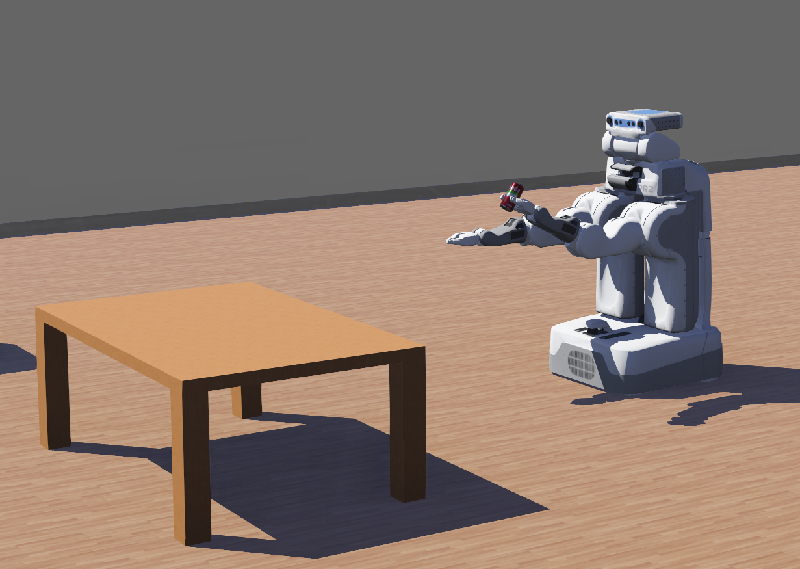
In an era where cyber-attacks threaten not just data but also physical integrity and human safety, researchers at Örebro University are paving the way for more resilient autonomous systems. A groundbreaking research paper titled RobResilience: Implementing and Evaluating a Resilience Framework for Cyber-Physical Embodied Systems introduces a formal framework to enhance the resilience of embodied cyber-physical systems (CPSs), particularly autonomous robots. The framework aims to evaluate operational resilience and maintain functionality in the face of active cyberattacks.
The Rise of the Threat in Cyber-Physical Systems
Cyber-physical systems, which combine computational elements with physical processes, are increasingly common in safety-critical areas such as healthcare and autonomous vehicles. However, these connections also expand their vulnerability to cyber threats. Incidents like the Stuxnet worm and attacks on critical infrastructure showcase how an attack can disrupt operations and jeopardize human safety. The need for resilience, especially in embodied CPSs that interact directly with their environment and users, is essential.
Introducing RobResilience
The innovative RobResilience framework goes beyond traditional security measures, which primarily focus on threat detection. Instead, it emphasizes active response mechanisms that determine whether a disruption is tolerable and if the system can continue functioning safely. Presented through a simulation using the PR2 robot and a state-of-the-art simulation environment called Webots, this framework allows autonomous systems to react in real-time by evaluating critical factors such as tolerable disruption, degradation, and mitigation strategies.
Key Components of the Resilience Framework
RobResilience evaluates three main predicates at runtime:
- Tolerable Disruption (𝛿): Determines if critical devices required for ongoing tasks remain uncompromised.
- Tolerable Degradation (𝛾): Assesses if the system can operate within acceptable performance limits despite disruptions.
- Mitigation Feasibility (𝜇): Identifies if there are actionable strategies to recover from compromises.
When the system loses resilience, RobResilience activates available mitigation strategies to restore functionality. This proactive approach aims to prevent systems from succumbing to a state known as ‘graceful failure paralysis,’ where they struggle to discern between a safe, degraded state and a catastrophic failure.
Evaluation Through Attack Scenarios
The researchers conducted robust evaluations by simulating various cyber-attack scenarios that systematically tested the framework's capabilities. Eight scenarios were designed to cover all possible combinations of disruption, degradation, and mitigation. Each test confirmed that the implemented framework behaves consistently with the theoretical definitions outlined previously.
The findings reveal that mitigation processes effectively restore resilience throughout varying attack types and severities. It was shown how a series of unmanned attacks could keep the robotic system operational, emphasizing the importance of adaptive resilience in changing threat landscapes.
Conclusion and Future Directions
The RobResilience framework represents a significant advancement in securing cyber-physical systems against active cyber threats. By enforcing real-time evaluations and responses to ongoing attacks, it ensures that robots can maintain safe operational bounds, protecting not just devices but the humans interacting with them. Researchers suggest further refinements, including transitioning from simulated scenarios to real-world application, thereby expanding the practical deployment of resilience strategies in everyday robotic interactions.
This framework underscores the ongoing necessity for adaptive strategies in cybersecurity, as the stakes continue to rise in a rapidly evolving digital landscape.
For more information, follow the research trail back to the primary work by Gysella Imrell, Emanuele Miotto, Mahya Mohammadi Kashani, Mauro Conti, and Alberto Giaretta at Örebro University.




