
Understanding Estonia's Evolving Research Landscape: How Geopolitical Tensions Are Shaping Scientific Funding
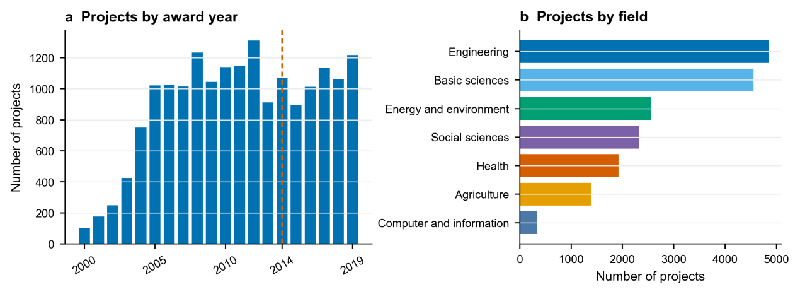
In an insightful study conducted by Yunfeng Gao and Yang Ding, the researchers delve into the hidden implications of geopolitical conflicts, particularly focusing on how the 2014 Donbas war impacted research funding priorities in Estonia. This research shines a light on the critical intersection between international events and domestic scientific agendas, highlighting the broader implications for countries facing similar geopolitical pressures.
The Impact of Geopolitical Conflict on Research Funding
The backdrop of this research is the 2014 outbreak of conflict in Eastern Europe, which was a turning point not only for the affected countries but also for neighboring nations like Estonia. The study analyzes nearly 18,000 research funding records in Estonia from 2000 to 2019, allowing the researchers to quantify and qualify shifts in the language and focus of funded research projects over time.
Key Findings on Funding Priorities
The study reveals a significant transformation in the semantic orientation of research funding post-2014. While explicit references to war-related topics did not increase, there was a marked shift towards a dual-use technology focus—areas that have both civilian and military applications. This suggests that Estonia's research portfolio is adapting to perceived threats in the region, prioritizing capabilities that enhance technological preparedness without resorting to overtly military terminology.
Analytical Methodology
The researchers employed an innovative semantic analysis method to assess the language used in funding applications. By categorizing research projects into various capability domains—such as computer science, energy, and engineering—they were able to track changes in emphasis and funding priorities in response to external pressures. This nuanced approach allows for a clearer understanding of how governments might realign research priorities in reaction to geopolitical events.
Broader Implications for Scientific Research
The implications of this study extend beyond Estonia. It raises important questions about how governments can strategically shift research funding to address emerging threats without compromising their scientific integrity or mission. The findings suggest that other nations similarly situated may also experience shifts in research funding priorities as they respond to global tensions.
Concluding Thoughts
This groundbreaking study underscores the interconnectedness of global events and local scientific agendas. By understanding how conflicts like the Donbas war influence research funding, policymakers and researchers can better navigate the complexities of scientific priorities amid uncertainty. The research not only provides a framework for analyzing funding shifts but also stresses the importance of strategic resource allocation in response to geopolitical happenings.
Authors: Yunfeng Gao, Yang Ding (yang.ding@ed.ac.uk)




