
Transforming Cybersecurity: How a Digital Twin Framework is Addressing Cyber-Social Impacts
The realm of cybersecurity is evolving rapidly, especially with the increasing complexity of Industrial Control Systems (ICS) intertwined with IT infrastructures. Researchers from the University of Bari Aldo Moro and other institutions have introduced a groundbreaking framework combining Digital Twin technology with a Cyber-Social Security model, marking a significant leap in understanding and mitigating the impacts of cyber threats.
The Challenge of Traditional Cybersecurity Models
Traditional cybersecurity models often emphasize Confidentiality, Integrity, and Availability (CIA)—but these frameworks fall short in addressing the broader societal impacts of cyberattacks. In the context of ICS, which are critical for infrastructure such as energy and transportation, conventional security assessments do not encompass the emotional, social, or operational ramifications of these attacks. This gap raises concerns about the effectiveness of existing frameworks in protecting not just data, but also the individuals and communities dependent on these systems.
A Novel Framework: Digital Twin Meets Cyber-Social Security
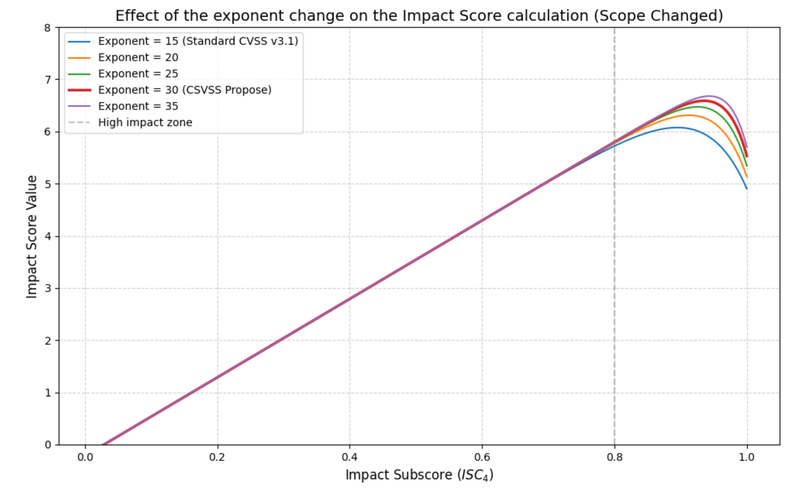
The researchers proposed a new framework that simulates and analyzes cyber threats using Digital Twin technology—essentially creating a virtual replication of real-world systems to predict and mitigate the impact of potential attacks. At the heart of this framework is the Cyber-Social Vulnerability Scoring System (CSVSS), which enhances the Common Vulnerability Scoring System (CVSS) by incorporating a new dimension: Social Impact.
This Social Impact dimension evaluates not just the technical implications of a cyber incident but also how such events affect people and locations. By assessing both the Entity (individuals or organizations affected) and Place (the extent of the impact geographically), the model offers a comprehensive picture of how attacks may ripple through society.
A Human-Centric Approach to Risk Assessment
Importantly, the framework isn’t purely automated; it places human analysts at its core, using Large Language Models (LLMs) to support first-pass analysis while ensuring that skilled personnel maintain oversight. This design balances the efficiency of automated assessments with the nuanced judgment required in critical situations, preventing misinterpretations that could arise from relying solely on machine intelligence.
Promising Results from Experimental Scenarios
The research team conducted various attack simulations, including ransomware and cross-site scripting attacks, within a controlled Digital Twin environment. Findings demonstrated that cyber threats impact not only technological systems but extend into social realms, affirming the need for holistic evaluations that traditional models overlook.
For example, a simulated ransomware attack showed significant technical damage while also affecting public confidence in critical infrastructure services—a valuable insight that underscores the intertwined nature of technology and society. The CSVSS scoring for these scenarios often outstripped conventional CVSS scores, emphasizing the added societal dimensions of risk.
Future Directions: A Call for Comprehensive Cyber-Social Security
This research emphasizes a paradigm shift in evaluating cybersecurity measures, suggesting that future strategies must be broader in scope and more inclusive in assessing risks. As the digital landscape continues to evolve, equipping cybersecurity frameworks with the ability to account for social impacts will be crucial in fostering resilience against cyber threats.
With ongoing advancements and potential applications of this innovative framework in real-world settings, the integration of Digital Twin technology within cybersecurity continues to pave the way for more adaptive and responsive security strategies.
For more information, researchers can be contacted at the University of Bari Aldo Moro, with insights provided by Vita Santa Barletta and colleagues from various esteemed institutions.


