
Shocking Findings Reveal How Sea Spray Can Carry Toxic Microalgae into the Air
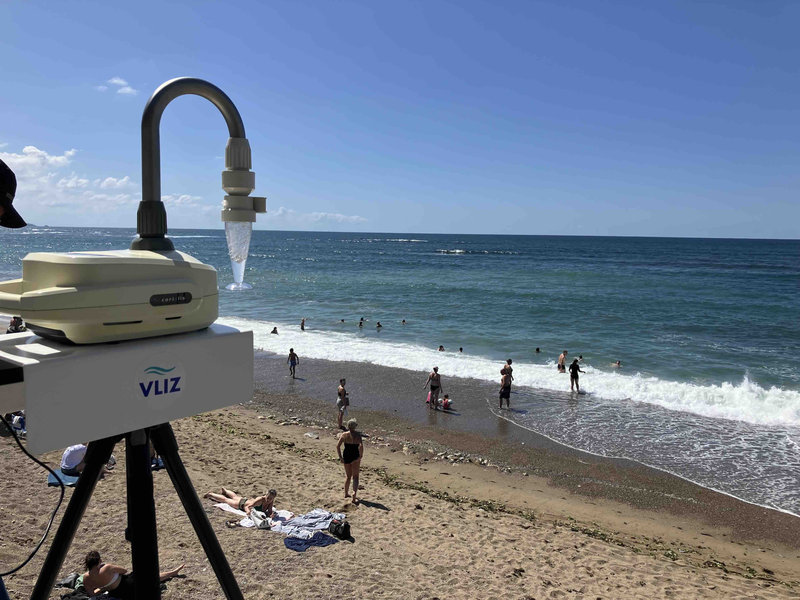
Recent research published by Elettra Figà Talamanca and colleagues sheds new light on the transmission of toxic microalgae through sea spray, an environmental phenomenon with potentially serious implications for public health, especially in coastal areas. The study focuses on the microalgae Ostreopsis cf. ovata, a known respiratory irritant, and how these organisms can aerosolize and be inhaled during harmful algal blooms (HABs).
The Mechanism of Aerosolization
The research highlights an intriguing mechanism by which microalgal cells can become airborne: they are believed to be entrapped in jet drops formed from bursting bubbles in the ocean. When air bubbles rise to the water’s surface and burst, they create droplets that can carry larger particles, including microalgae, into the atmosphere. The study challenges previous models that mainly considered surface interactions in explaining how larger particles—like the microalgae in question—can get caught in these droplets.
Field Observations and Experimental Evidence
Field experiments conducted along the Basque coast during a bloom of Ostreopsis cf. ovata demonstrated the presence of both intact and ruptured algal cells in the air. The researchers used a sophisticated bioaerosol collector to trap airborne particles, recording significant numbers of the microalgae that could be inhaled by beach-goers and local workers.
In controlled laboratory experiments, the researchers studied bubble bursting to analyze how microalgae are captured in the resulting droplets. They discovered a scaling law that describes the relationship between the size of the bubble and the concentration of captured algae, revealing two distinct regimes of particle capture based on algal concentration.
Implications for Public Health
As coastal populations already face respiratory issues linked to algal blooms, this research raises alarming questions about the extent to which airborne algae could contribute to these health problems. The study suggests that particulate toxins may represent a previously underestimated vector for airborne toxicity, demanding a shift in how we view harmful algal blooms and their consequences.
Overall, this groundbreaking research not only identifies the dynamics of microalgae transfer from the ocean to the atmosphere but also emphasizes the need for further studies to understand the health risks associated with HABs and airborne contaminants. This knowledge could lead to improved public health strategies in coastal regions, particularly during bloom seasons.
For those interested in the environmental and public health implications of algal blooms, these findings offer a fresh perspective on an issue that is becoming increasingly relevant as the impacts of climate change continue to unfold.


