
Revolutionizing Robotic Precision: How CW-WAM Enhances Force-Sensitive Manipulation
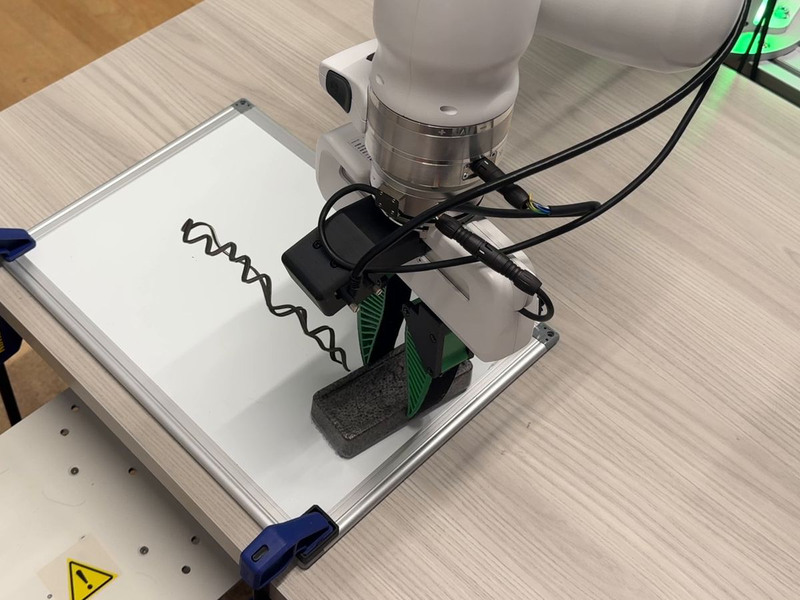
Recent research from the team at Ant Group has introduced an innovative framework known as CW-WAM, or the Contact-Wrench World Action Model. This groundbreaking model significantly boosts robotic capabilities in force-sensitive tasks, effectively allowing robots to perform intricate operations with greater accuracy. Whether it’s inserting pegs into holes or wiping surfaces clean, CW-WAM shows impressive enhancements over previous models, achieving success rates that leap from a mere 25% to a remarkable 70%.
Understanding CW-WAM: What Makes It Unique?
CW-WAM stands apart from traditional world action models (WAMs) by integrating a new hybrid control system that predicts both movement and contact forces simultaneously. Unlike earlier models that solely relied on visual data, CW-WAM leverages force feedback from sensors embedded in the robot's wrists. This combination allows robots to better adjust their movements in real-time, catering to the physical characteristics of the objects they are manipulating.
Key Innovations and Contributions
The CW-WAM framework incorporates several pivotal advancements:
- Paired Motion–Wrench History: By linking past movements with the corresponding forces applied during those actions, CW-WAM can better predict future requirements during tasks.
- Separate Prediction Streams: The model utilizes distinct output streams for actions and forces, enhancing the precision of commands given to robotic systems.
- Admittance Control: This slow-fast execution system allows for real-time adjustments based on feedback, ensuring smoother interactions and improved performance during delicate tasks.
Remarkable Performance Metrics
In comparative tests, CW-WAM exhibited astounding improvements. For example, the model achieved a 70% success rate in square peg insertions—up from just 25% with previous WAM technology. Similarly, the success rate for power adapter insertions soared from 40% to 95%, demonstrating its unparalleled efficacy. Additionally, the system notably reduced force error in operations, aligning measured forces closely with the expected task requirements.
Real-World Applications
The implications of CW-WAM's advanced capabilities extend beyond theoretical frameworks. This model is poised to improve automation in various fields, from manufacturing to medical robotics, where precision manipulation is vital. The ability of robots to adjust their actions based on real-time force feedback could lead to more efficient assembly lines, safer surgical robots, and improved outcomes in everyday tasks performed by robotic assistants.
Conclusion: The Future of Robotic Manipulation
The CW-WAM represents a significant leap forward in robotic manipulation technology. By merging the realms of motion planning and force sensitivity, this model enhances how robots perceive and interact with their environments. As research and practical applications continue to evolve, CW-WAM could be at the forefront of a new era of precision engineering in robotics, redefining what automated systems can achieve in force-sensitive contexts.
Authors: Houzhu Ding, Xinda Qi, Luqi Wang, Ming Yang.


