
Revolutionizing Real-Time Object Detection: Inside the Multi-Resolution Event-Based Attention Model!
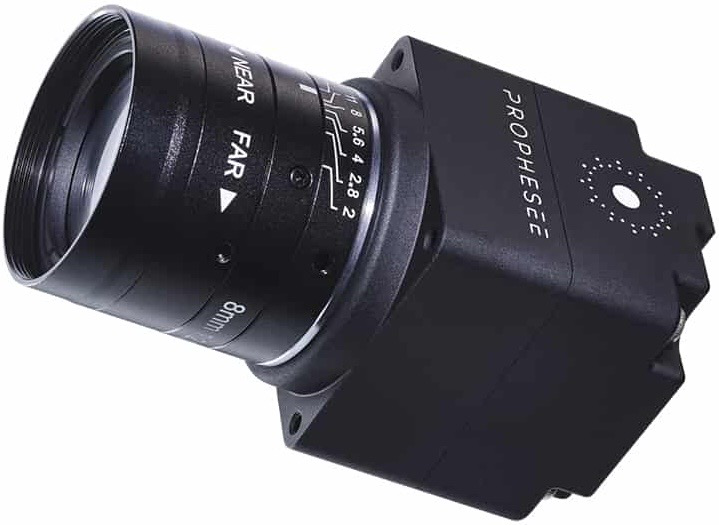
In a groundbreaking research venture, a team of scientists has developed an innovative approach to enhancing real-time object detection using neuromorphic vision systems. This study, conducted by Luca Peres from the University of Manchester and colleagues, focuses on creating a selective attention model that addresses critical challenges in visual processing, particularly at low bandwidth and energy levels.
What is neuromorphic vision?
Neuromorphic vision systems are designed to mimic the human visual system, processing visual information in a way that reduces bandwidth and energy consumption. Unlike traditional cameras that capture a series of frames, neuromorphic cameras, or event cameras, only record changes in a scene, leaving out redundant information. This unique capability opens the door for new applications in robotics and autonomous vehicles, where efficient data processing is crucial.
Saliency-Based Model Explained
The research introduces a multi-scale, saliency-based visual attention model that selects Regions of Interest (ROIs) directly from low-resolution event-based inputs. Essentially, it identifies the most relevant parts of a scene by only processing the data that matters while ignoring less crucial information, achieving an impressive accuracy rate of 70.8% in detecting different object classes like vehicles and pedestrians.
How It Works
The model operates by downscaling incoming event streams by up to 256 times, drastically reducing the data volume that needs to be processed. By focusing on detecting ROIs rather than the entire visual field, this approach not only lowers the computational burden but also enhances the system's speed and efficiency, with latency reduced to just 1 millisecond—much faster than previous methods.
Results and Implications
Evaluated on the Prophesee Automotive dataset—boasting the largest collection of event-based recordings available—the model showed robust performance across varying downscaling factors. The results indicate significant improvements in data processing speed while maintaining high accuracy, a combination that could revolutionize applications in various sectors, particularly in automotive and robotics. This research paves the way for deploying neuromorphic systems that can dynamically adjust to their operational environment, ensuring they respond quickly and accurately while using minimal energy.
Conclusion
This innovative work provides insights into the future of intelligent visual processing systems. As the need for efficiency and speed grows in the era of AI and robotics, this saliency-based model could lead to more adaptive and capable machines that can better navigate and respond to complex environments. The potential applications are vast, and with continued research, we could see neuromorphic vision integrated into more technologies, further enhancing our interaction with machines.
Authors: Luca Peres, Giulia D’Angelo, Chiara Bartolozzi, Oliver Rhodes




