
Revolutionizing Dementia Care: The CareMirror Ecosystem that Prioritizes Caregiver Wellbeing
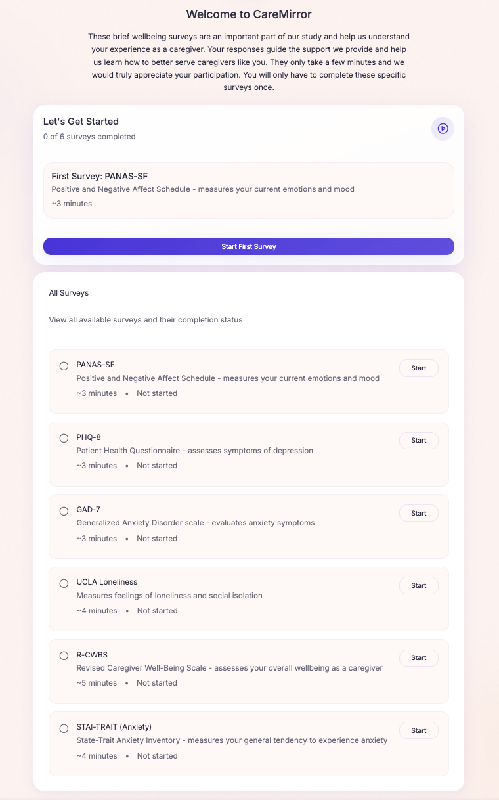
For the millions of family caregivers supporting loved ones with dementia, the emotional and practical toll is immense. In their groundbreaking research, "fCareMirror: Bringing Caregiver Wellbeing into the Dementia Care Ecosystem," a team from the University of Illinois Urbana-Champaign has proposed an innovative solution designed to place caregiver wellbeing at the forefront of dementia care.
The Need for Caregiver Support
As dementia affects cognitive abilities, family members often find themselves assuming critical caregiving roles. In fact, around 11.5 million caregivers currently provide approximately 18.4 billion hours of unpaid care for individuals with dementia in the U.S. each year. Yet, despite shouldering such significant responsibilities, caregivers' own needs often remain neglected.
This innovative study highlights a concerning trend: while technology has increasingly been integrated into the caregiving process, tools that cater specifically to the wellbeing of caregivers have remained largely disconnected from clinical settings. CareMirror seeks to bridge this divide.
Introducing CareMirror: A Holistic Ecosystem
CareMirror is envisioned as more than just a tool; it's a comprehensive ecosystem comprising interconnected interfaces for both caregivers and clinicians. It creates platforms for personal reflection, longitudinal wellbeing tracking, and controlled sharing of caregiver data with clinical teams. At its core, CareMirror addresses caregivers' immediate needs while simultaneously fostering an environment of support.
The research team conducted interviews with 14 caregivers, utilizing CareMirror as a design probe. The findings revealed caregivers' desires for a system that not only acknowledges their wellbeing but also allows for meaningful follow-ups by healthcare professionals.
Key Findings from Caregiver Interviews
The caregivers interviewed showcased a variety of perspectives on their wellbeing and technology's role in aiding that wellbeing. Participants appreciated features like mood check-ins, stress tracking, and the potential for AI-driven support—if it remains sensitive to their privacy and personal input.
However, they also raised concerns: while many caregivers valued reflection on their emotional state, the idea of re-engaging with stressful experiences repeatedly could feel burdensome. Additionally, any data sharing with clinicians should be voluntary and under the control of the caregiver, ensuring that privacy remains paramount.
A Balancing Act: Integrating Personal Reflection with Clinical Care
The research emphasizes that the visibility of caregiver data in clinical settings introduces complexities. While caregivers see the merit in sharing their wellbeing to enhance clinical discussions, they want clear boundaries around what information is shared and when. This nuanced dynamic necessitates careful design to ensure support does not devolve into additional burdens.
Crucially, participants articulated the need for AI to assist, not overshadow. They desire AI-driven reflections to support caregivers while retaining their agency and ensuring that human judgment remains at the core of clinical interactions.
Looking Ahead: Promising Pathways for Future Research
The implications of the CareMirror study are profound, pointing towards a significant shift in how the care ecosystem is structured. Caregivers should be viewed as individuals with their own wellbeing needs rather than mere support systems for care recipients. The integration of technology can help to maintain a delicate balance between personal support and clinical oversight.
As researchers and designers continue to refine the CareMirror system, a central goal should be to transform the caregiving experience by enhancing compassion and understanding within the clinical environment. Future endeavors must ensure that technology amplifies caregiver voices and adjusts to their evolving needs, ultimately fostering a more supportive caregiving landscape.
Conclusion
The CareMirror project encapsulates a forward-thinking approach to dementia care. By placing caregivers' needs at the center of the conversation, it opens up new avenues for support that not only improves caregiver wellbeing but enhances the overall caregiving experience. As this vital research unfolds, it promises to inspire other areas of caregiving and healthcare technology.
Authors: Jiayue Melissa Shi, Ethan Nguyen, Drishti Goel, Upasana Natarajan, Shashwat Srivatsa, Daniel S. Brown, Violeta J. Rodriguez, Dong Whi Yoo, Ravi Karkar, Koustuv Saha.




