
Quantum Leap in Solid Oxide Cell Research: Unlocking the Potential of Advanced Oxygen Electrodes
In the quest for clean energy solutions, solid oxide fuel cells (SOFCs) and electrolysis cells (SOECs) have emerged as front-runners due to their high efficiency and fuel flexibility. However, the key to their successful commercialization hinges on the development of robust and efficient oxygen electrodes. A recent study spearheaded by Ouns El Harzli and colleagues explores a groundbreaking approach that utilizes quantum simulations to screen strongly correlated materials, aiming to optimize these crucial components.
The Challenge of Material Selection
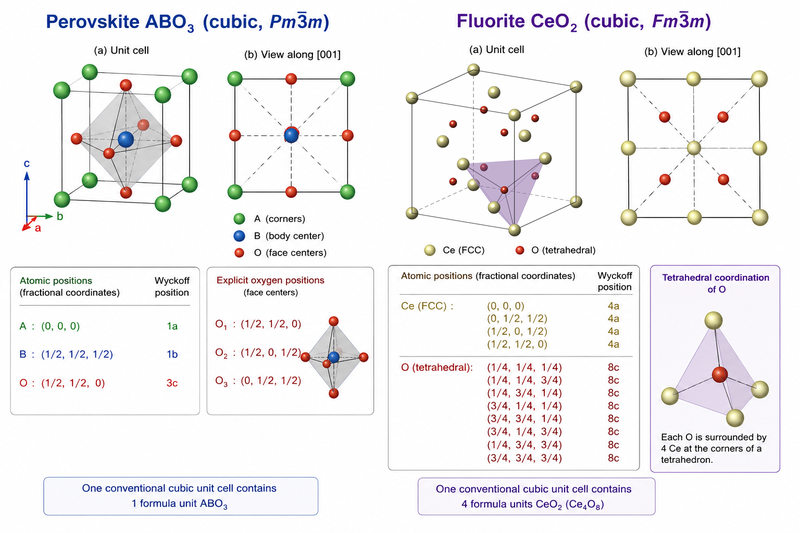
Solid oxide cells operate at high temperatures and are lauded for their ability to convert chemical fuels into electricity efficiently. Yet, the performance of oxygen electrodes at intermediate temperatures has long posed a challenge. The research team identifies perovskite oxides as promising candidates for these electrodes, thanks to their unique properties that allow for both electronic and ionic conductivity. However, designing these materials predictively is complicated due to the strong correlations in their electronic structure, particularly among transition metals.
Bridging Theory and Practice with Quantum Computing
To tackle the predictive design of these materials, the researchers propose a quantum-enabled screening framework that connects theoretical models to practical applications. The approach begins with defining crucial observables such as oxygen-vacancy formation energies and migration barriers, which significantly influence the efficiency of the electrodes. These properties can be precisely computed using advanced techniques like the diagrammatic GW method combined with dynamical mean-field theory (DMFT).
A Comprehensive Workflow
The end-to-end framework systematically assesses how quantum computing can enhance the materials research workflow. Initially, the researchers utilized density functional theory (DFT) to screen candidates and generate a shortlist of promising materials. This shortlist undergoes further evaluation using the more sophisticated GW-based embedding methods that can capture complex interactions absent in classical simulations. A quantum impurity solver then addresses the intricate many-body physics effectively, helping to refine the materials' properties needed for optimal performance.
Connecting to Economic Value
A unique aspect of this research is its emphasis on linking material performance back to real-world economic impact. By improving the properties of oxygen electrodes, the researchers estimated significant potential value for industries involved in clean energy technology. They forecasted that advances in these materials could lead to substantial cost savings and efficiency gains in both SOFC and SOEC applications worldwide, potentially generating a multi-billion dollar market for improved energy systems.
Conclusion: A Path Forward
As quantum technologies continue to mature, their integration into materials science promises to transform the landscape of energy technology design. This research not only lays the groundwork for optimizing oxygen electrodes but also highlights the broader implications of quantum computing in addressing complex industrial challenges. The upcoming years will likely see an increasing collaboration between quantum computing and materials science, with promising outcomes that could significantly advance the adoption of sustainable energy solutions.
Authors: Ouns El Harzli, Jelle Bor, Linde Wester, Leonid Zhukov, Hanl Park, Jean-François Bobier, Matt Langione, Antonino Marco Saitta, Jonathan Owens, Richard Hart, Yudong Cao, François Jamet.


