How TikTok and Instagram Shape Political Morality: Insights from the 2024 Election
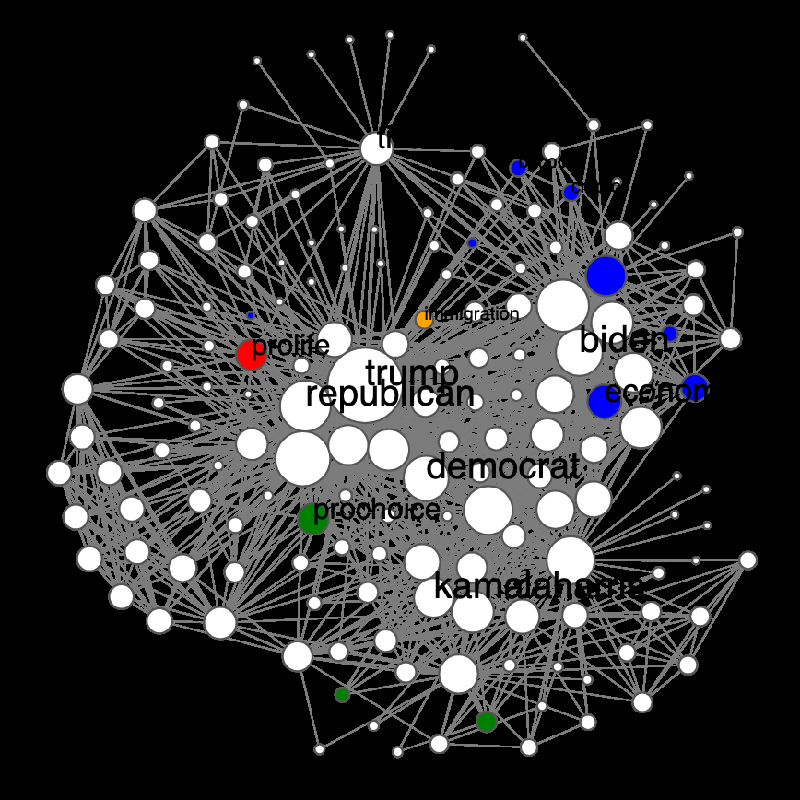
In the fast-paced world of social media, platforms like TikTok and Instagram are reshaping the landscape of political discourse, particularly during electrifying events like the 2024 United States Presidential Election. A recent study by Ni Annie Yuan and Ho-Chun Herbert Chang from Dartmouth College delves into the dynamics of how moral contagions spread on these platforms, uncovering fascinating distinctions in how political topics are presented and engaged with by users.
Understanding Moralization
The term "moral contagion" refers to how content that frames issues in terms of right and wrong can spread more effectively across social networks. This research emphasizes that issues aren't inherently moralized; rather, moralization is influenced by the demographics of the audience, the design of the platform, and the framing of the messages. For instance, the study analyzed over three million posts from both TikTok and Instagram, revealing striking differences in how moral themes like abortion, immigration, and the economy were presented.
Platform Divergences
One of the key findings indicates that moralization patterns vary significantly between TikTok and Instagram. TikTok's algorithm, which favors novel content, allowed posts on abortion and immigration to go viral despite not having a high volume of content. In contrast, Instagram's hybrid model primarily amplified discussions about the economy, aligning supply and demand for posts more effectively.
This divergent pattern suggests that while TikTok enabled the viral spread of moralized messages, Instagram served more as a platform where established discussions could thrive, particularly around economic issues—historically seen as non-moralized.
Moralization of Economic Issues
Perhaps the most surprising revelation from this research is the moralization of typically 'pragmatic' economic topics, especially cryptocurrency. The study discovered a shift in how users framed economic discussions. Cryptocurrency conversations began invoking loyalty and authority foundations, suggesting a moral context—where regulations were viewed as government overreach, and financial freedom as a possessive identity marker.
Such findings challenge the long-held belief that economic debates are solely pragmatic, indicating a broader trend where audience perceptions uniquely shape the moral landscape of political discourse online.
Impact of Major Events
The timing of political events significantly influenced discussion dynamics on both platforms. For example, TikTok saw a considerable surge in content production following Kamala Harris’s nomination as Biden's running mate, while Instagram's activity peaked around developments in cryptocurrency policy. This variation underscores the importance of platform-specific architectures in guiding political engagement and content variability in response to real-world events.
The Role of Visual Platforms in Democracy
As social media continues to dominate political conversations, this research highlights the urgent need to understand how platform features influence the moral discourse surrounding political issues. With TikTok’s more fluid and interconnected architecture enabling cross-topic engagement, compared to Instagram's more fragmented and isolated content structure, the implications for democratic discourse are profound.
In conclusion, recognizing the interplay between moral framing, platform design, and user engagement can help political practitioners navigate these digital spaces effectively. As the landscape continues to evolve, understanding these dynamics will be essential in fostering meaningful political dialogue and engagement among voters.
Authors: Ni Annie Yuan, Ho-Chun Herbert Chang.

