
Breaking New Ground in Aneurysm Treatment: How Braided Endovascular Implants Are Set to Change Lives
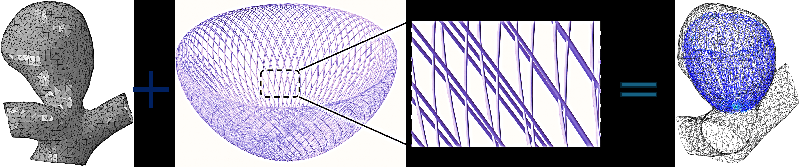
Intracranial aneurysms are significant health risks affecting approximately 3% of adults worldwide, leading to fatal complications when rupture occurs. Recent research highlights the potential of braided endovascular implants, which are designed not just to treat these aneurysms but to fundamentally change the dynamics of blood flow in the vascular system.
The Challenge of Aneurysms
Intracranial aneurysms are abnormal bulges in the walls of arteries in the brain. When they rupture, they can cause life-threatening conditions such as subarachnoid hemorrhage, which is a form of stroke associated with high morbidity and mortality rates. Thus, the clinical challenge lies in effectively isolating the aneurysm without undue risk of additional complications.
Innovative Solutions: Braided Endovascular Implants
The research paper titled "fBraided endovascular implants for intracranial aneurysms: mechanics, hemodynamics, and clinical translation" delves into advanced treatment options, particularly braided and flexible endovascular implants. These devices employ cutting-edge technology to manipulate the blood flow in a way that minimizes the risk of rupture and promotes healing.
Understanding the Mechanisms
The mechanics of these implants focus on ensuring that they stay in position reliably within the blood vessel while altering the hemodynamics around the aneurysm. The braided structure allows for a dynamic interaction with the arterial walls, enabling better apposition for improved stability and flow disruption. This means that when deployed correctly, these devices can greatly reduce the risk of blood jetting into the aneurysm sac—an action that is critical for reducing the chance of rupture.
Simulations for Precision
The authors emphasize the necessity of high-fidelity models in predicting the clinical outcomes of these devices. It involves not only understanding the physical structure of the implants but also the forces exerted by the blood flow and the interaction with the aneurysm and surrounding tissues. The study underscores the importance of using advanced simulations to inform treatment planning and improve patient outcomes through tailored interventions.
Clinical Translation and Future Prospects
For such technologies to be effectively integrated into clinical practice, ongoing validation through real-case studies and simulations is crucial. This research presents a roadmap for developing more reliable, patient-specific treatment plans and enhancing the design of these implants. By combining computational modeling with experimental data, future pathways for treatment of aneurysms could become not only safer but also more effective.
In conclusion, the advent of braided endovascular implants represents a promising progression in the treatment of intracranial aneurysms. With continued research and development in this field, we may be on the cusp of significantly reducing the risks associated with aneurysm treatments and improving patient outcomes worldwide.
Authors: Ratnadeep Pramanik, Duygu Dengiz, Mariya S. Pravdivtseva, Martin Frank, Ivo Steinbrecher, Prasanth Velvaluri, Matthias Mayr, Philipp Berg, Sylvia Saalfeld, Naomi Larsen, Olav Jansen, Alexander Popp




