
Breaking Boundaries in Programming Education: The Surprising Power of Code Writing Over Passive Learning
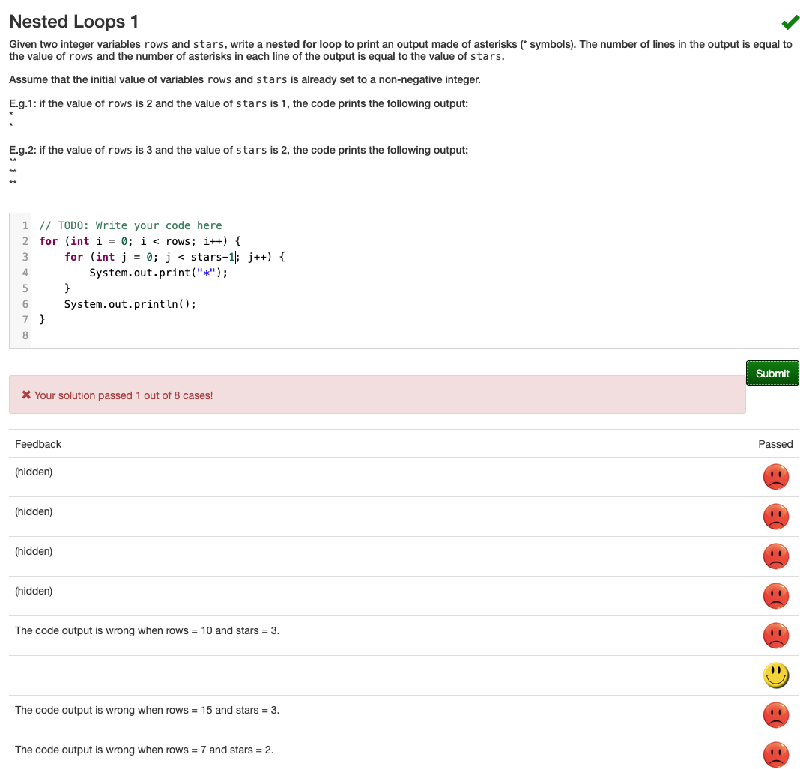
In the world of programming education, the method by which students engage with material can significantly influence their learning outcomes. Recent research conducted by a team from the University of Pittsburgh and Carnegie Mellon University has revealed that among various forms of active practice, code writing stands out as the most effective method for enhancing student performance. This study not only reinforces the "doer effect"—which suggests that active engagement leads to better learning—but also challenges traditional views on the effectiveness of different types of active practice.
Understanding the Doer Effect
The doer effect posits that actively engaging in practice activities outperforms passive learning methods, such as viewing lectures or reading texts. The research team analyzed log data from 334 students across multiple semesters of Java programming courses, investigating how different forms of practice, such as code writing, code tracing, and code visualization, impacted learning outcomes.
Methodology: A Deeper Dive into Data
The researchers used an interactive practice system, Mastery Grids, which incorporated various types of content—from writing and tracing code to visualizations and explanations. They monitored not just the engagement levels but also the types of activities completed by students, setting the stage for a comprehensive analysis of the doer effect in a programming context.
Key Findings: Code Writing Trumps All
The findings of this study were revelatory. Active practice activities were associated with learning outcomes that were 3.2 times better than those of passive activities. However, within active practices, code writing significantly outperformed all other forms. The data suggested that students who engaged more in code writing not only had higher posttest scores but also benefited from immediate feedback, allowing for dynamic adjustment and improvement in their coding skills.
The Role of Corrective Feedback
One of the critical factors behind the superiority of code writing is the concept of corrective feedback. Unlike passive activities, which offer no immediate evaluation, code writing provides instant assessments of student responses. This immediate correction allows students to identify and rectify misconceptions, thereby reinforcing their understanding of programming concepts.
Implications for Instructional Design
These findings have substantial implications for how programming education is structured. The research suggests prioritizing code writing exercises when developing educational resources. Incorporating more opportunities for students to actively construct solutions—as opposed to merely tracing or completing code—can enhance educational effectiveness. Such insights suggest that while tracing and completion exercises are valuable, they may serve better as precursors that support deeper engagement found in code writing.
Conclusion: A Call to Action for Educators
This research challenges educators to rethink how they assess and implement learning activities in programming courses. Investing in high-quality code writing exercises could yield greater educational benefits than simply expanding other forms of active practice. As educational technologies evolve, understanding the specific forms of engagement that promote the best learning outcomes becomes increasingly vital.
By embracing the importance of code writing and the feedback it provides, educators can better prepare students for success in programming and beyond.
Authors: Arun-Balajiee Lekshmi-Narayanan, Gillian Gold, Jordan Barria-Pineda, Quinn K Wolter, Peter Brusilovsky, Paulo Carvalho




